-
Why you should improve the security of your warehouse
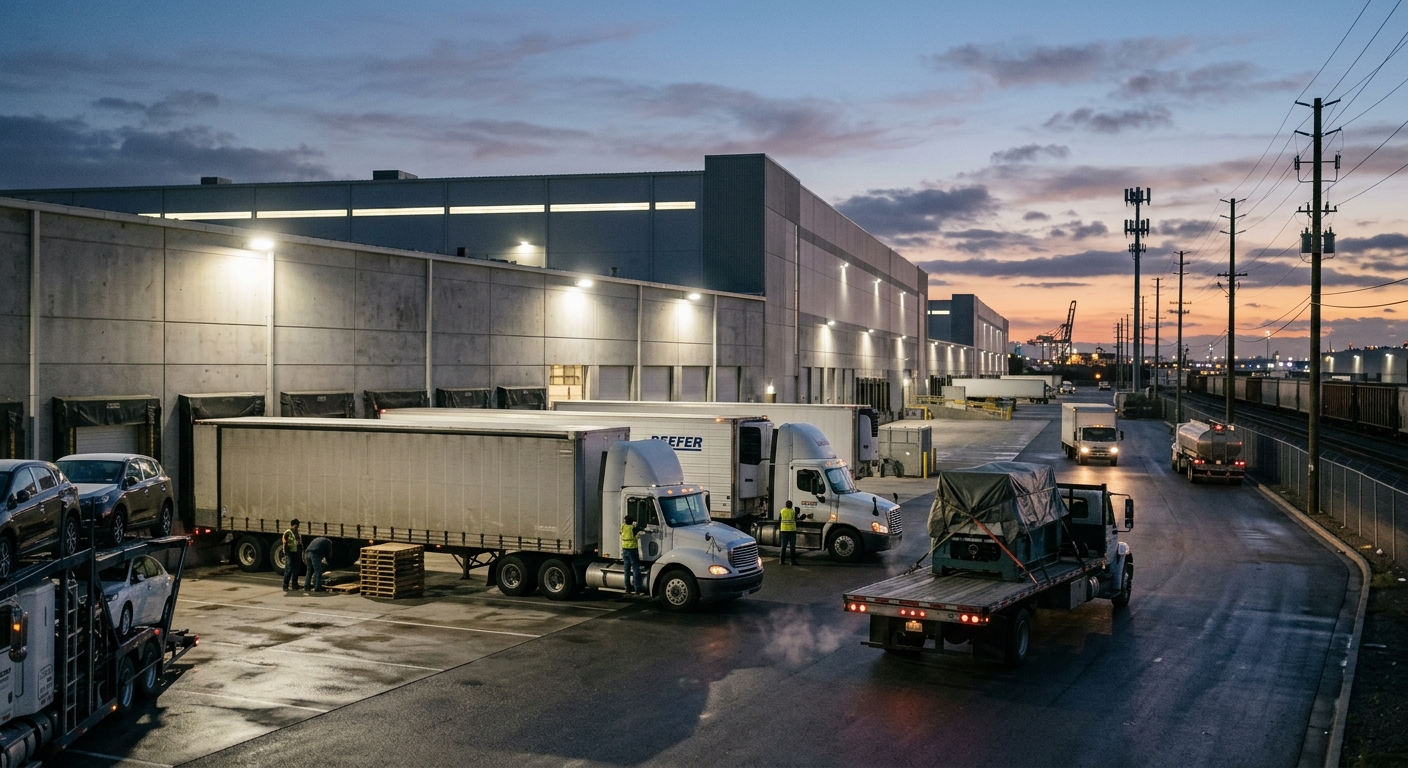
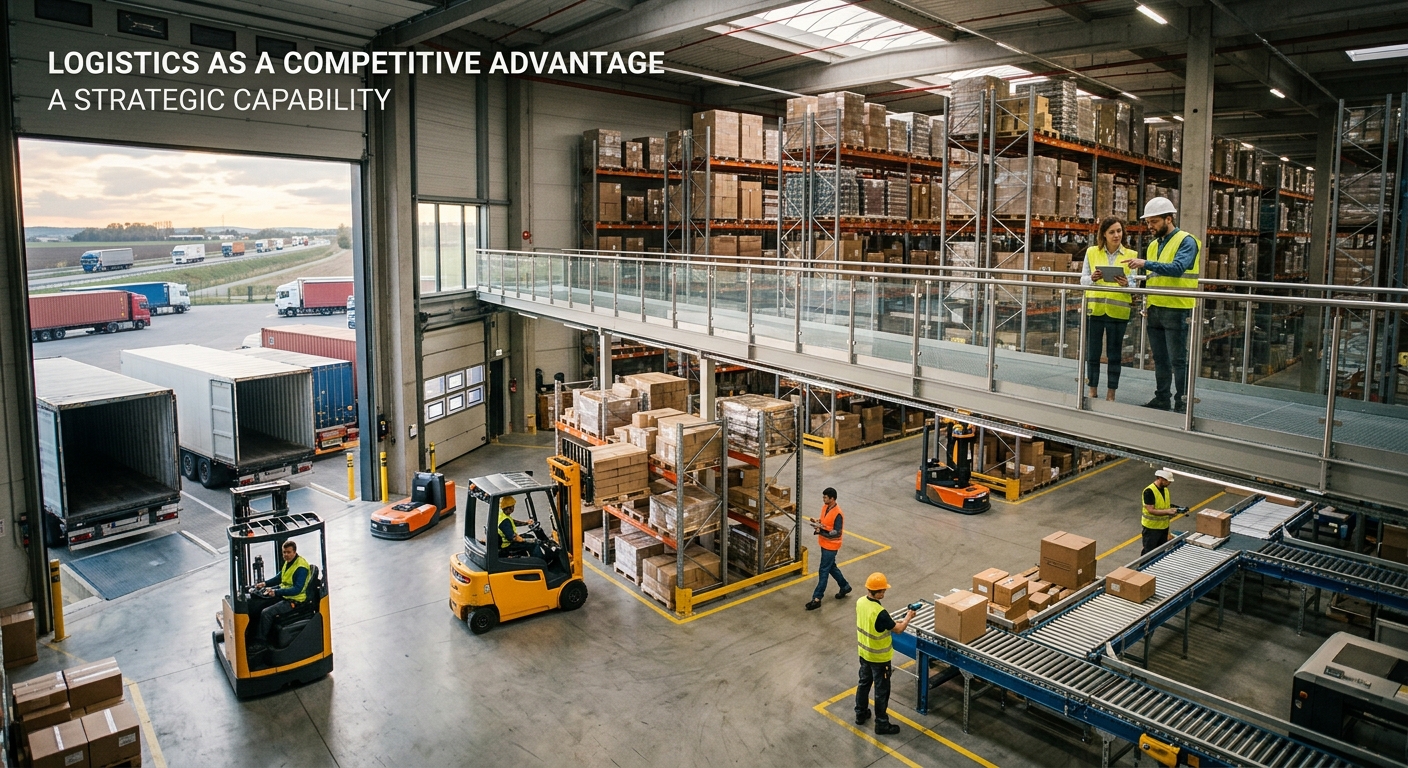
The Evolving Vulnerability Matrix of Modern Logistics The contemporary logistics facility is no longer a static repository for inert freight. It is a high-velocity nerve center where physical assets, digital telemetry, and automated material handling converge. As global commerce demands unprecedented throughput and razor-thin fulfillment windows, the capital density housed within these expansive footprints has surged dramatically. High-value electronics, pharmaceuticals, specialized automotive components, and luxury consumer goods sit in concentrated volumes across vast acreage. This spatial aggregation of physical wealth creates an irresistible target. The threats facing modern distribution hubs have evolved far beyond the classic opportunistic trespasser cutting a chain-link fence under the cover of darkness. Today, industrial facilities…
-
How to Send Packages: A Practical Guide to Mailing and Shipping
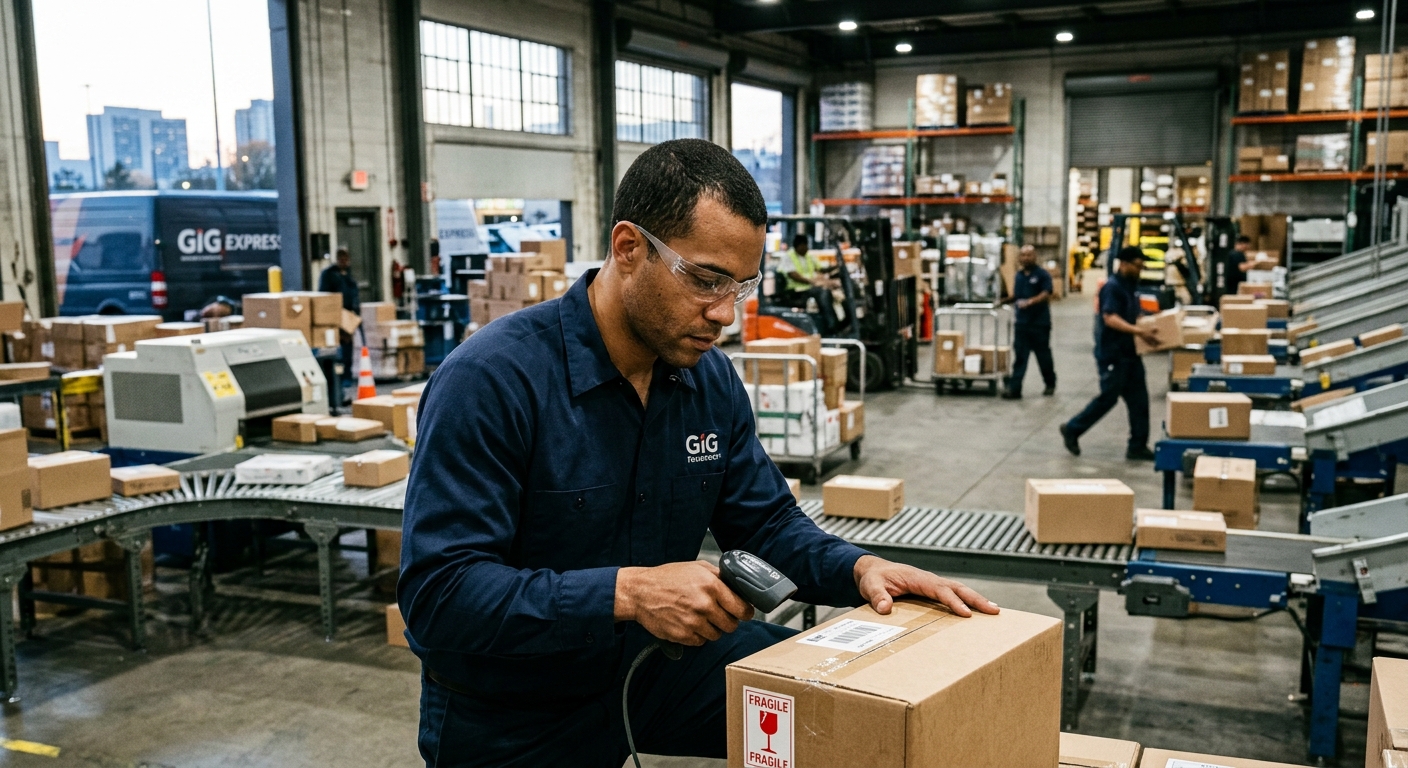
Sending a package may seem like a mundane task, but successful shipping involves more than placing an item inside a box and handing it to a carrier. The packaging material, dimensions, weight, address, shipping service, documentation, and tracking options can all affect whether the parcel arrives safely, on time, and at a reasonable cost. Whether sending a birthday present to a friend, returning an online purchase, shipping merchandise to a customer, or moving personal belongings across the country, understanding the basic process makes the experience considerably easier. The good news is that modern shipping systems have become remarkably accessible. Most carriers allow customers to create labels online, compare delivery options,…
-
The Best Performance Indicators for Your Inventory Management
Inventory management is often described as a balancing act. That description is accurate, but incomplete. A company needs enough stock to satisfy customers, maintain production, and protect itself from supply disruptions. At the same time, excessive inventory ties up capital, occupies warehouse space, increases handling requirements, and creates the possibility of obsolescence. The difficulty lies in finding the point where availability and efficiency coexist. This is where measurement becomes indispensable. Without reliable indicators, inventory decisions can become driven by intuition, isolated incidents, or outdated assumptions. With the right metrics, managers can identify inefficiencies, detect emerging problems, compare performance over time, and make more informed decisions. The most useful inventory KPIs…
-
Warehouse Types: A Guide to the Different Warehouse Types
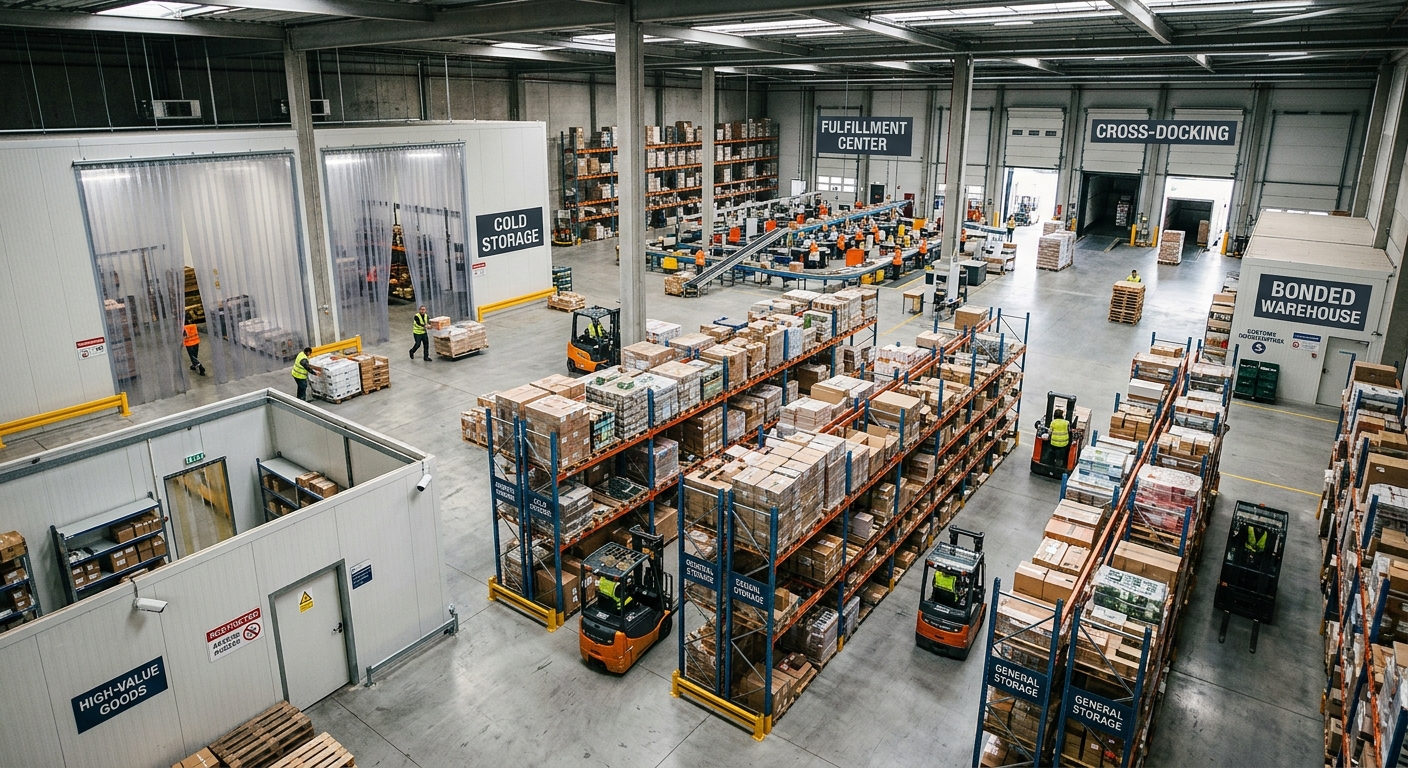
Warehousing is a fundamental component of modern supply chains. Products must be received, stored, protected, organized, and eventually moved toward their intended destinations. Although these activities may appear straightforward, the infrastructure required to perform them efficiently varies considerably according to the nature of the goods, the scale of operations, customer requirements, and regulatory obligations. For this reason, there is no universal warehouse design. A facility storing frozen food has fundamentally different requirements from one handling electronics. A distribution center serving thousands of retail outlets operates differently from a small warehouse supporting a local manufacturer. Likewise, an e-commerce fulfillment facility may prioritize rapid individual-order picking rather than long-term inventory storage. Understanding…
-
How to Design a Logistics Warehouse
Designing a logistics warehouse is far more than deciding where to put shelves and loading bays. A warehouse is a dynamic operational system in which products, people, information, vehicles, and equipment must move in a coordinated manner. When the design is poor, inefficiencies multiply. Employees walk excessive distances, forklifts cross paths unnecessarily, inventory becomes difficult to locate, receiving areas become congested, and orders take longer to process. A well-designed facility does the opposite: it creates a logical flow that makes the right product available at the right place and at the right moment. Effective warehouse organization therefore begins before the first rack is installed. The objective is to create an…
-
Land Transport and Types of Trucks
Land transport is one of the fundamental pillars of modern logistics. Every day, trucks move enormous quantities of raw materials, components, finished products, food, construction materials, machinery, and consumer goods between suppliers, warehouses, distribution centers, businesses, and customers. Despite its ubiquity, road freight is far more sophisticated than it may initially appear. A truck is not simply a vehicle with a cargo compartment. Different loads require different configurations, capacities, temperature controls, loading mechanisms, security measures, and regulatory considerations. Choosing the right vehicle can therefore have a direct impact on transportation costs, delivery times, cargo safety, and operational efficiency. Understanding the type of trucks in logistics is consequently useful for anyone…
-
The 8 Mistakes You Should Not Make in Express Transport
Express transport exists for one fundamental reason: time matters. When a shipment needs to arrive urgently, every stage of the logistics process becomes more consequential. A minor documentation discrepancy can delay customs clearance. An inaccurate address can send a vehicle in the wrong direction. Poor packaging can transform a fast delivery into a costly claim. Speed is valuable, but speed without precision can become counterproductive. Express transport therefore requires more than simply choosing a faster carrier. It demands careful planning, accurate information, appropriate packaging, reliable communication, and contingency management. The following eight mistakes are among the most common pitfalls in urgent transportation. Avoiding them can make the difference between a…
-
Three Keys to Food Logistics
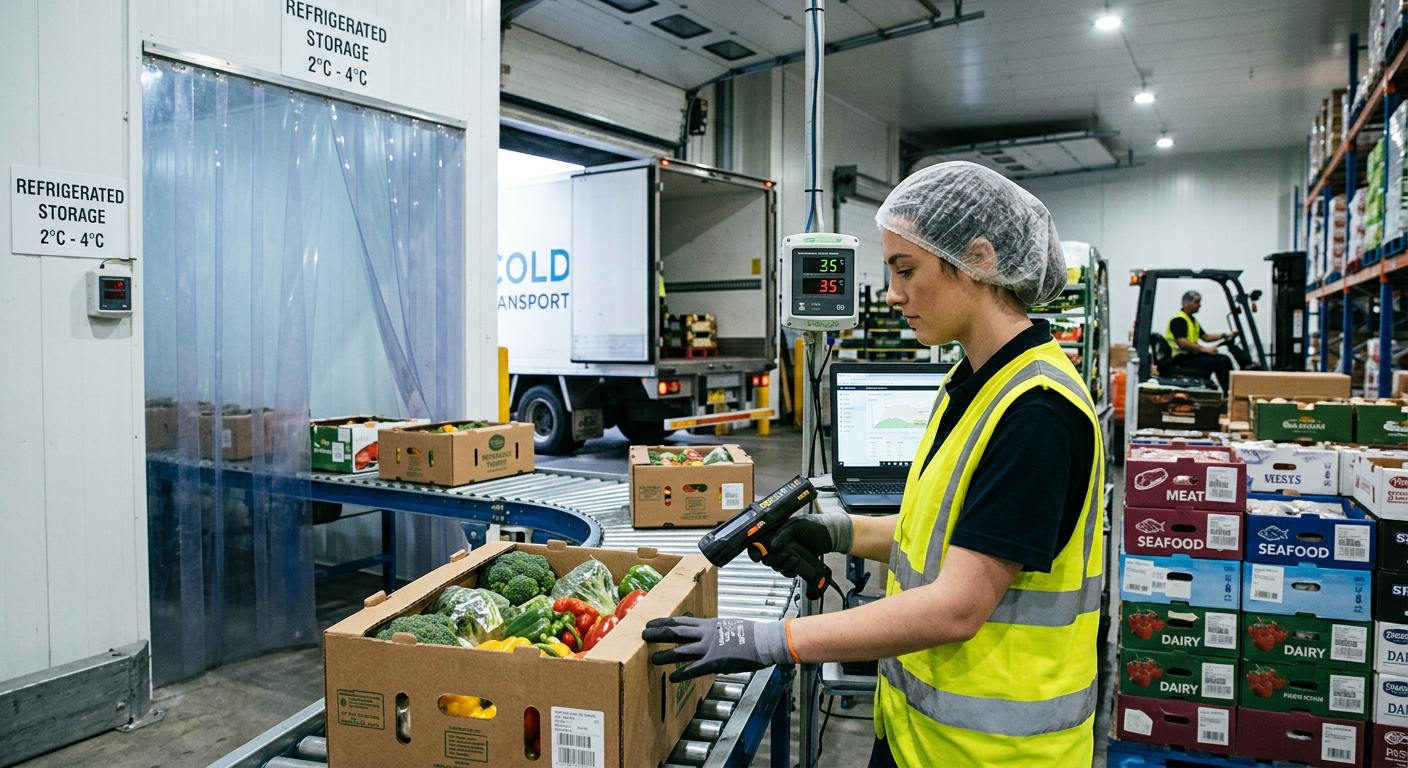
Food logistics is one of the most demanding branches of the modern supply chain. Unlike many other products, food is often perishable, temperature-sensitive, fragile, seasonal, and subject to strict safety requirements. A delay that might be inconvenient for an ordinary shipment can become a serious commercial or food-safety problem when the cargo consists of fresh produce, dairy products, meat, seafood, or prepared meals. The complexity becomes even greater as consumer expectations change. Restaurants want reliable deliveries. Supermarkets need consistent inventory. Food manufacturers require dependable raw materials. Consumers expect freshness, traceability, and increasingly rapid fulfillment. This is where effective food service logistics becomes essential. Food logistics is not simply about moving…
-
Seven Things That Everyone Should Know About Transporting Pallets
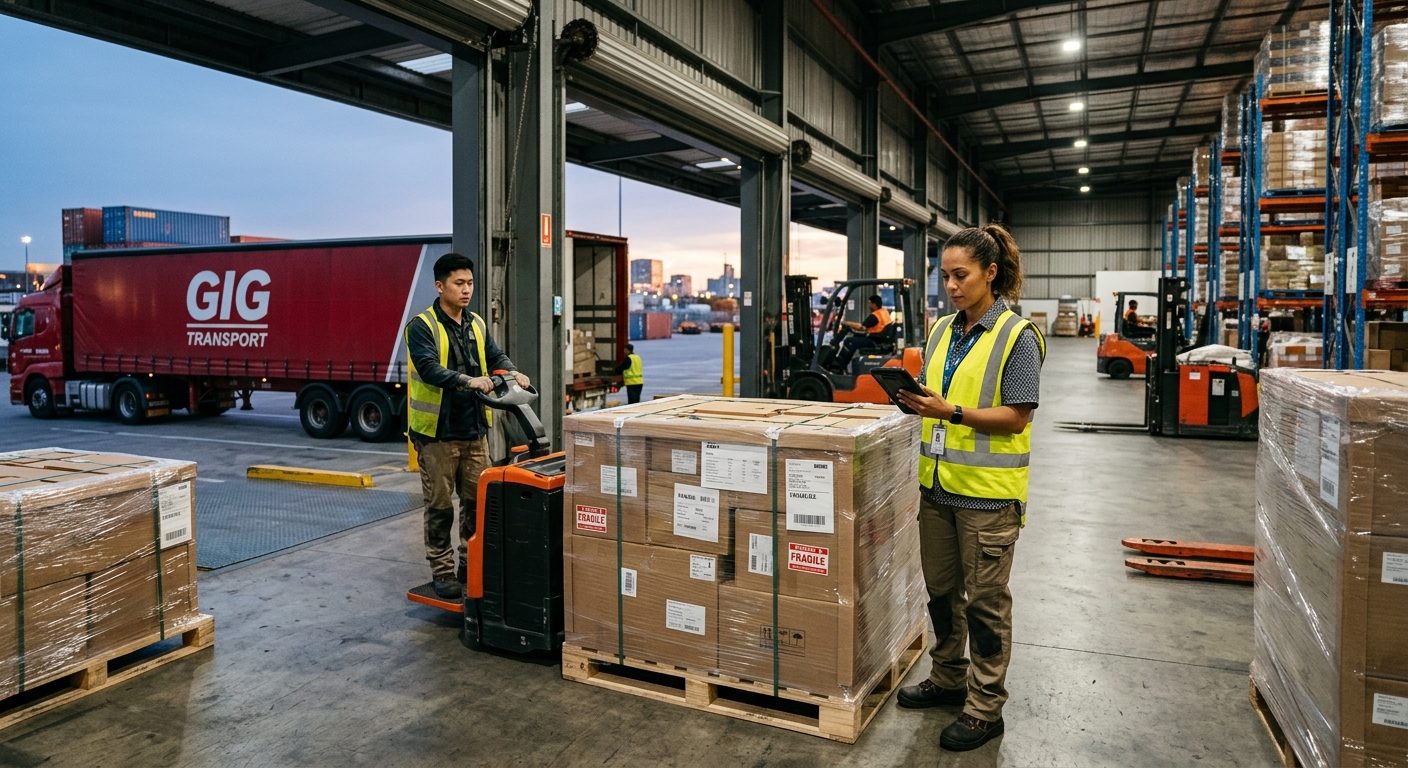
Pallets are among the most unassuming pieces of logistics infrastructure. They are simple platforms, often made from wood, plastic, or composite materials, yet they underpin an enormous proportion of modern freight movement. From manufacturing plants and agricultural operations to warehouses, retailers, and distribution centers, pallets make it possible to consolidate individual products into stable, manageable loads. They facilitate mechanical handling, improve storage density, and create a standardized interface between warehouses and transportation equipment. Yet transporting a pallet is not simply a matter of placing goods on a wooden platform and calling a carrier. Weight, dimensions, packaging, loading methods, route characteristics, freight classification, insurance, and delivery requirements can all influence the…
-
The 10 Most Read Articles of 2018
The year 2018 was a fascinating period for technology, business, and society. Smartphones were becoming increasingly sophisticated, artificial intelligence was moving from experimental laboratories into commercial applications, cloud computing was becoming mainstream, and organizations were beginning to understand how profoundly digitalization could reshape traditional industries. Looking back at the most-read articles of the year provides more than a nostalgic tour through old headlines. It offers a snapshot of what people were curious about, worried about, and excited to understand. Some subjects have aged surprisingly well. Others now look like artifacts from a transitional period in technological history. The most popular stories of 2018 frequently revolved around innovation, digital transformation, automation,…

Let's Live Life Better