-
Just in Case: When Not Everything Is Just in Time
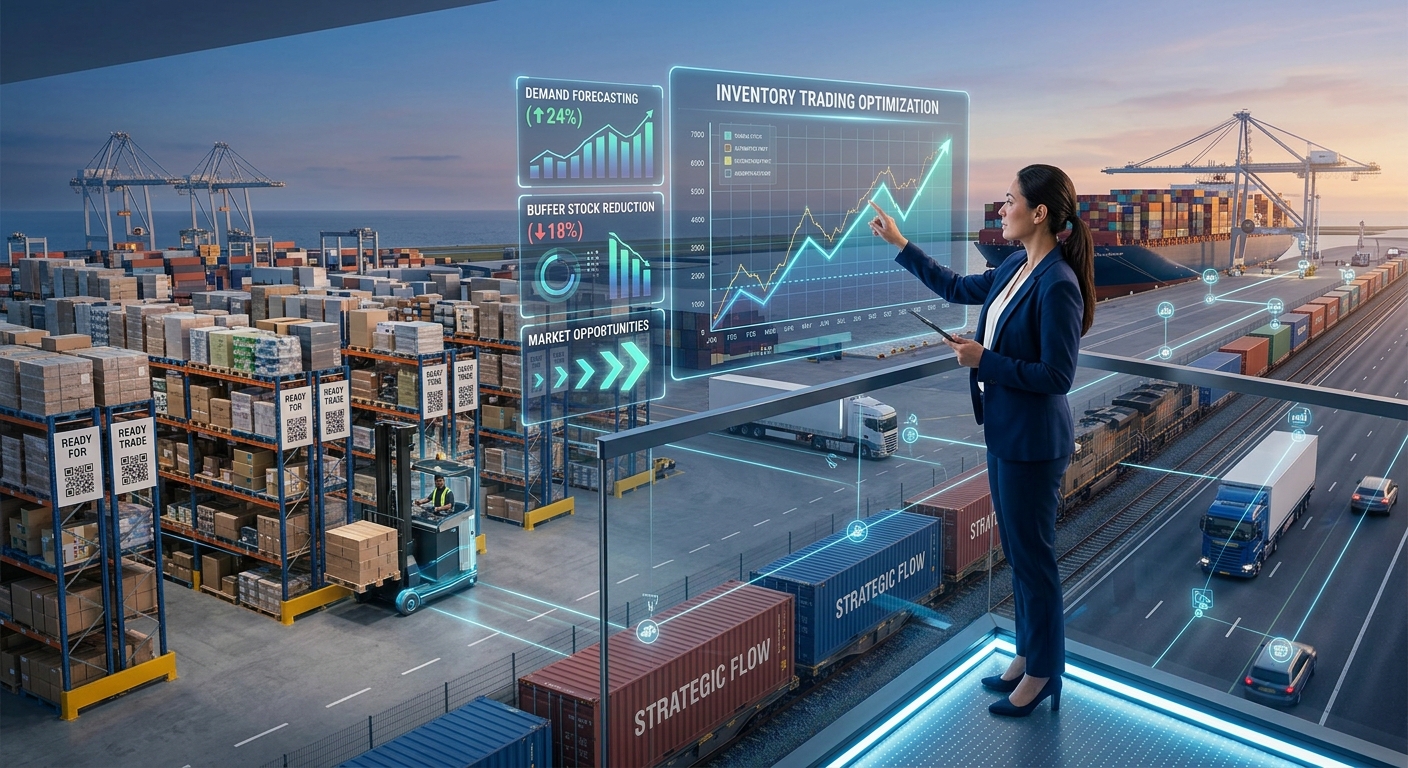
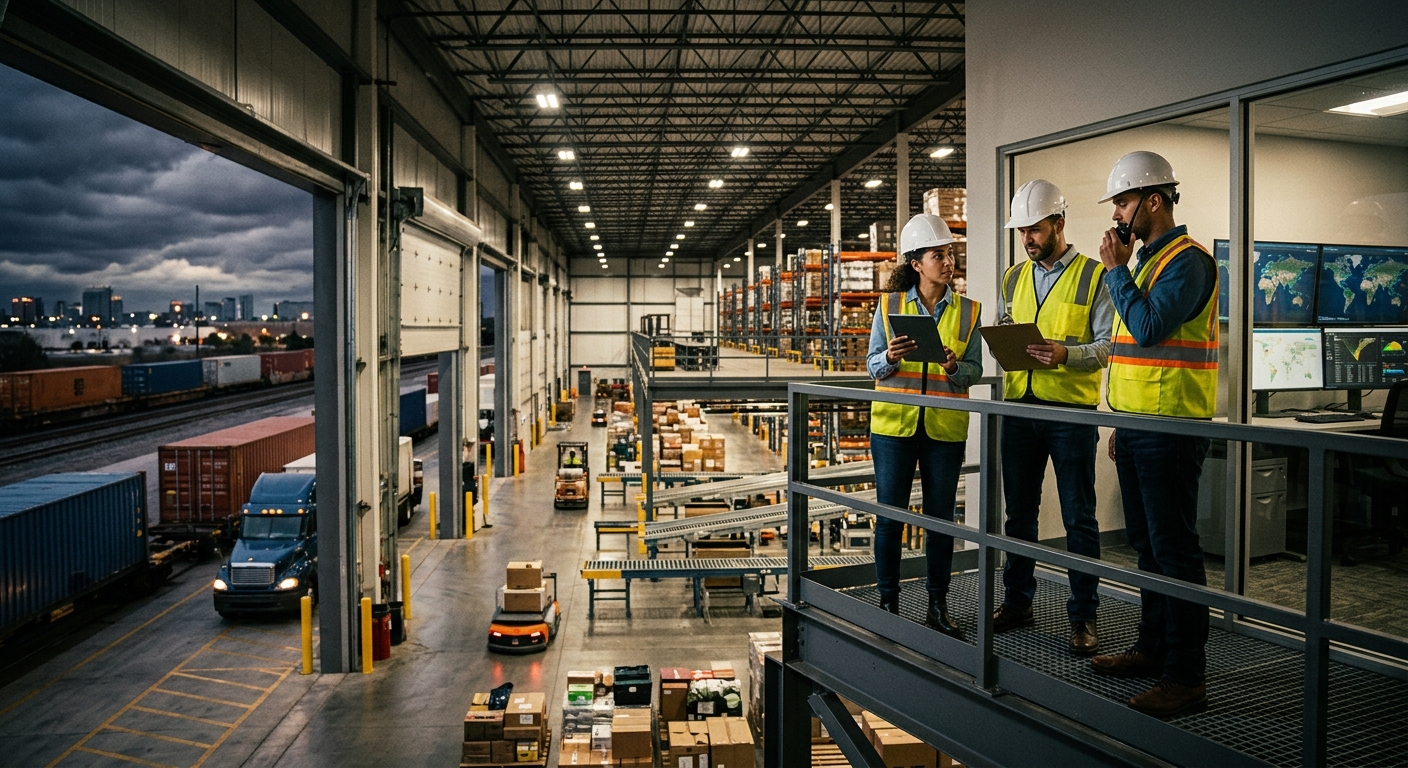
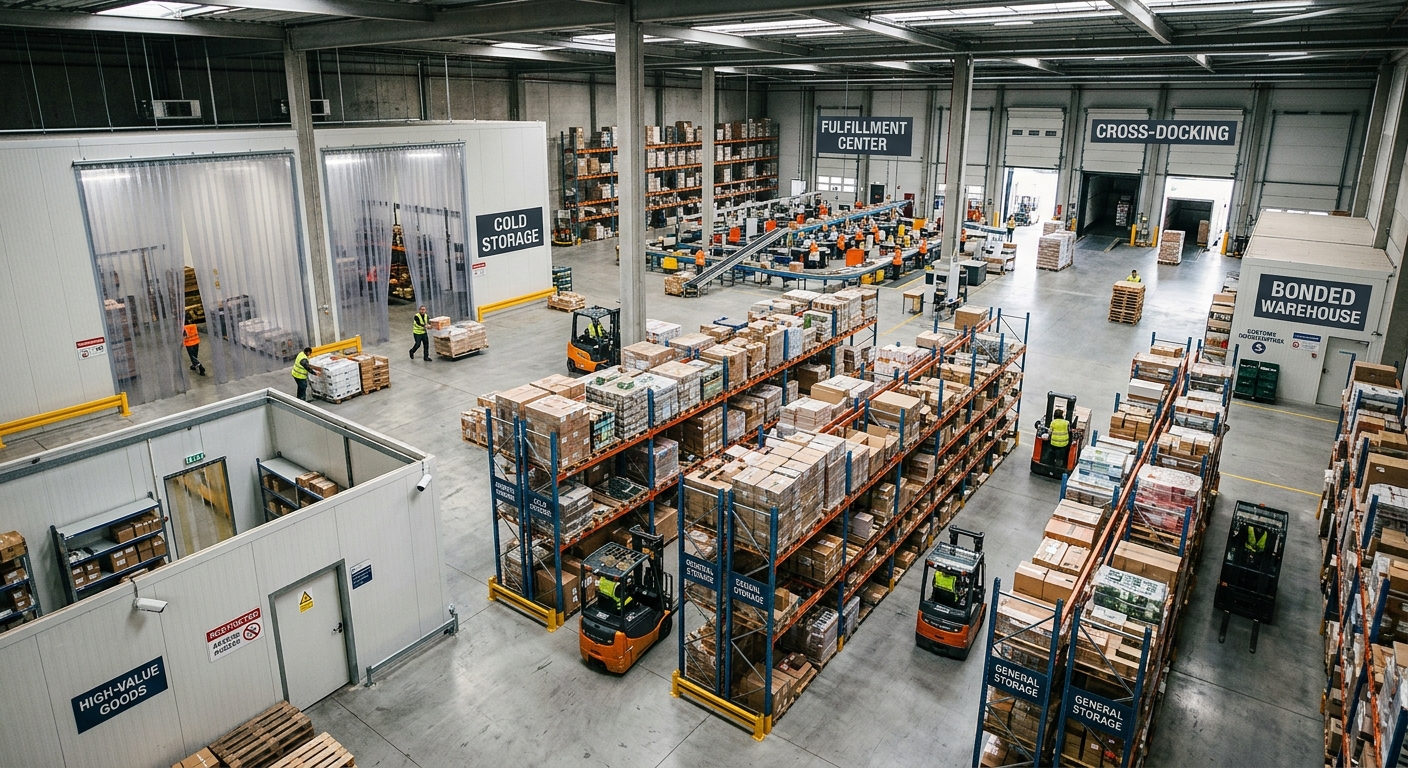
For decades, efficiency has been one of the great organizing principles of modern logistics. Businesses have learned to reduce unnecessary inventory, shorten lead times, optimize warehouse space, streamline transportation, and synchronize purchasing with actual demand. The philosophy is compelling. Why store ten thousand units when only two thousand are expected to sell? Why occupy valuable warehouse space with products that may remain untouched for months? Why tie up capital in inventory when suppliers can replenish stock precisely when it is needed? This thinking gave rise to the celebrated just-in-time approach. But supply chains do not operate in a vacuum. Disruptions happen. Suppliers experience shortages. Ports become congested. Weather interferes with…
-
Why logistics are complex (and what you can do to remedy it)
Why Logistics Are Complex (and What You Can Do to Remedy It) Logistics looks deceptively simple from the outside. A product needs to move from one place to another. Someone arranges transportation, someone prepares the shipment, and eventually the goods arrive at their destination. Simple, right? Not quite. Behind every successful delivery is an intricate choreography involving suppliers, warehouses, carriers, customs authorities, inventory systems, customers, employees, technology, weather conditions, fuel prices, regulations, and countless other variables. When everything works, the process appears almost invisible. When something goes wrong, the complexity suddenly becomes impossible to ignore. For businesses operating across multiple regions, logistics can become a labyrinthine undertaking where a minor…
-
The Presence of Women in Transport Companies
The transport industry has traditionally been associated with images of trucks, warehouses, ports, trains, cargo terminals, and long-distance routes. For decades, many of these environments were perceived as predominantly male workplaces. Yet the modern transport sector is changing. Women are increasingly participating in logistics, freight management, supply-chain planning, fleet administration, transportation technology, procurement, warehousing, customer service, finance, and executive leadership. The change is significant because transport is not simply a physical industry. It is a sophisticated economic ecosystem that depends on coordination, information, technology, communication, and strategic decision-making. The growing presence of women in logistics therefore represents more than a demographic shift. It is part of the broader transformation of…
-
The Supply Chain, Sustainability and the Planet
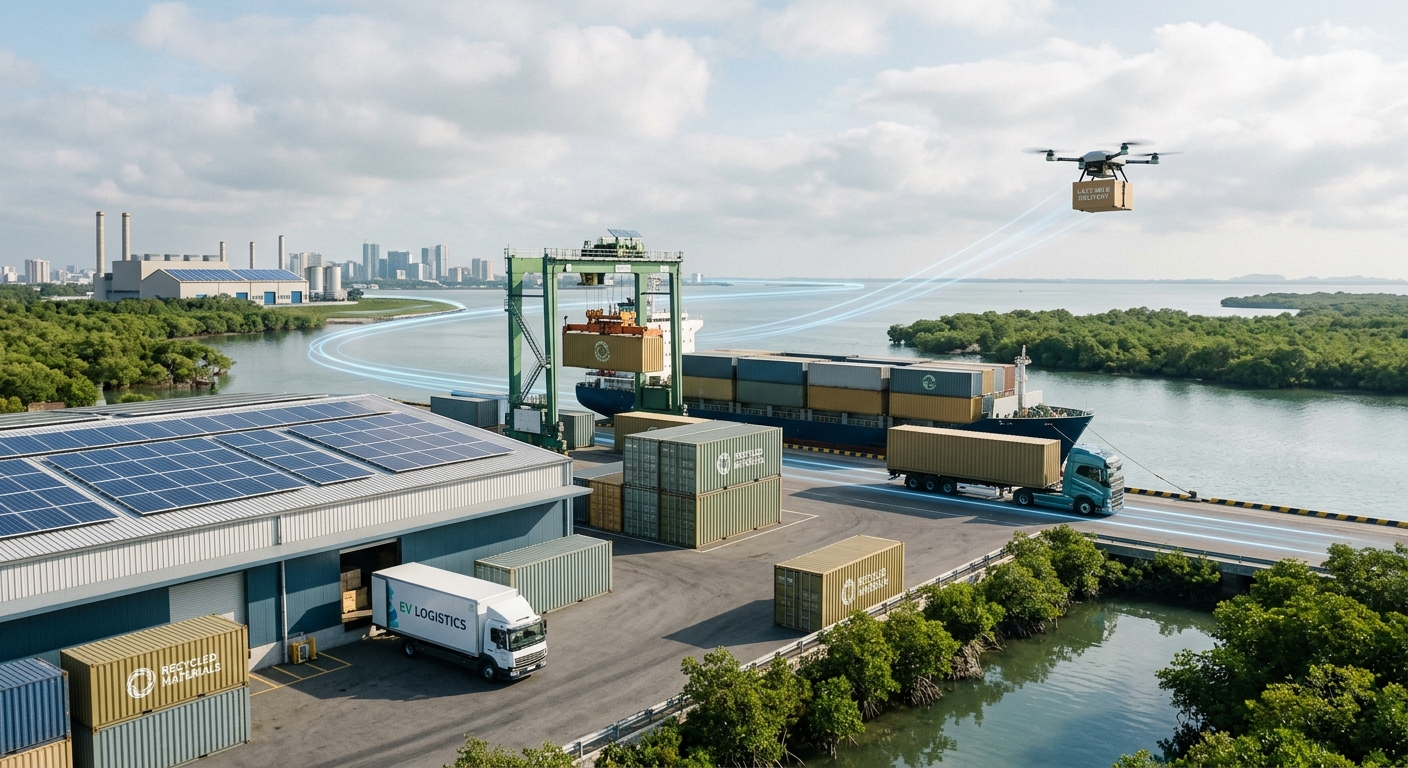
Supply chains are the hidden architecture of modern commerce. Behind almost every product sits an intricate network of suppliers, manufacturers, warehouses, transport operators, distributors, retailers, and consumers. Raw materials cross borders. Components pass through factories. Finished goods travel thousands of kilometers before reaching their final destination. This enormous machinery creates prosperity and convenience, but it also creates environmental pressure. Transportation consumes fuel. Factories consume energy and water. Warehouses require electricity. Packaging generates waste. Agriculture can contribute to deforestation, soil degradation, and biodiversity loss. Even unsold inventory can carry an environmental cost because the resources used to produce and transport it have already been expended. The relationship between supply chains and…
-
Companies and international transport: main challenges for the future
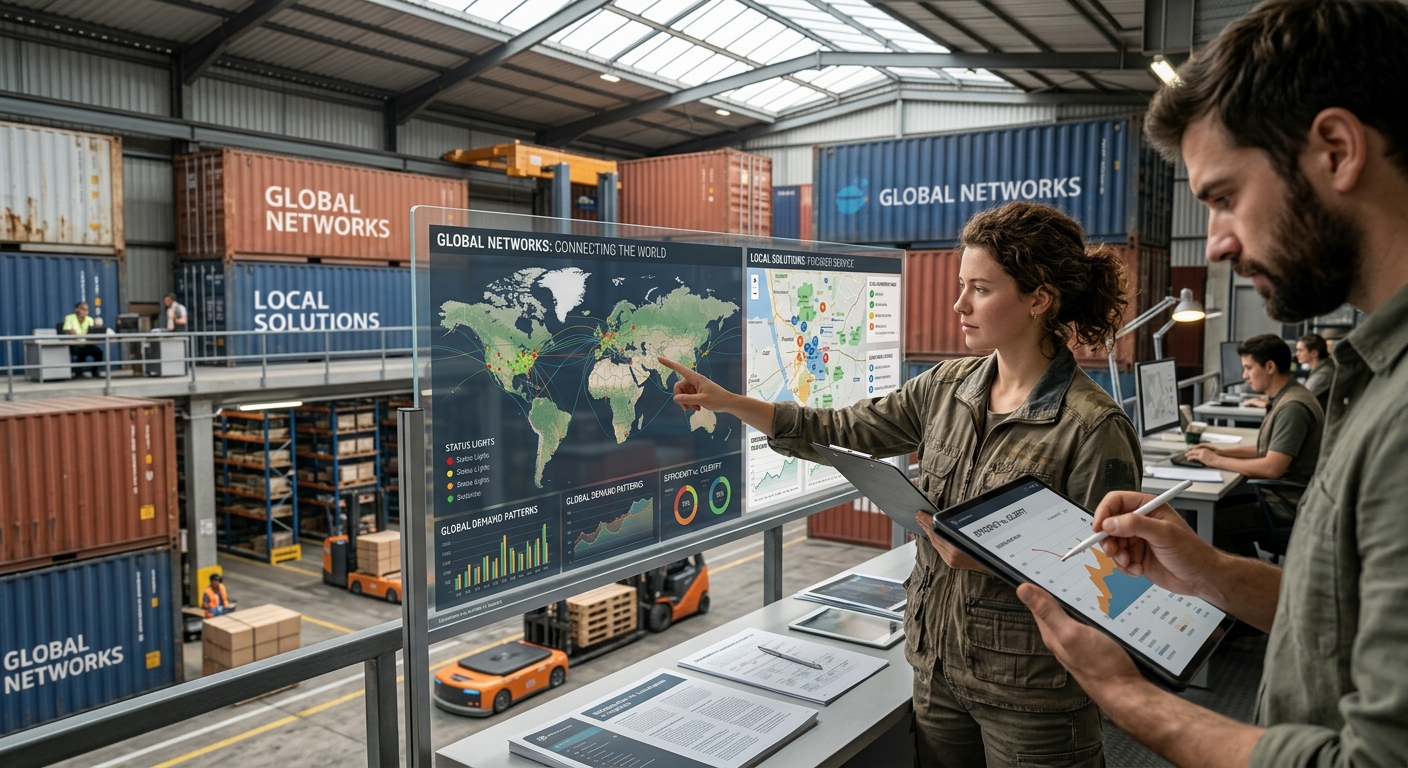
International transport is part of the backbone not only of logistics, but of the world economy. Its ability to move goods on a planetary scale helps define what our world is like and how it will transform in the future. But, as a result of this importance and of its own nature, it faces specific and unique challenges and characteristics. What are these challenges for companies and international transport? Challenges of companies and international transport Longer supply chains The greater the distance, the more difficulty and the more likely problems will arise. Longer supply chains mean more intermediaries and more cogs; that is, more lights so that something can go…
-
Supply logistics, the great unknown
Supply chains are very complex living beings. They are made up of many parts and it is often easy to walk over one of them without paying enough attention to it. Somewhat hidden under the general concept of supply chain is supply logistics, and today we want to give it the space it deserves. So we are going to analyze and explain one of the parts of logistics that has the greatest potential for improvement for companies. What is supply logistics Supply logistics includes all actions aimed at ensuring that our company has a continuous and controlled flow of all the essential materials for its proper functioning. In other words,…
-
10 Don Quixote sayings for logistics
The adventures of Don Quixote de la Mancha make up one of the most widely read books in history and there is no collection of the best works of literature that does not reserve a place of honor for it. However, what lessons could we draw for the supply chain of the 21st century from a work written 400 years ago? As unlikely as it may sound, more than it seems. Guided by his proverbs and together with his squire, Sancho Panza, we immerse ourselves in the popular wisdom of his pages. 10 sayings from Don Quixote to improve your logistics 1.- Praying to God… and giving the mallet This…
-
11 logistics myths that need to be disproved
We live surrounded by myths. That we only use 10% of our brain, that neurons cannot regenerate, that there is one hemisphere of the brain that predominates over the other and that makes us more artistic or more rational, that listening to Mozart makes us more intelligent… And all they are fake. Therefore, it is not surprising that logistics and supply chain myths also exist. If you do not want to fall into them and avoid problems, review the eleven that we have collected in this article. The myths of logistics 1.- We can only improve what we manage, not what we subcontract In this typical idea hides only a…
-
The four “R” of logistics
The need to compete more and better never ends for companies or their logistics. Both need to meet the new needs of their customers and, to do so, these four principles are gaining presence, vital to adapt to current scenarios. These four “R” of logistics, proposed by Donald Waters in ‘Global Logistics’, are: Responsiveness (responsiveness), Reliability (reliability), Resilience (resistance) and Relationships (relationships). The four “R” of logistics Responsiveness (responsiveness) Companies not only have to adapt to new demands, but they have to do it faster and faster. Markets and customers change faster and faster and everything indicates that speed will continue to be a determining factor in the coming years.…

Let's Live Life Better