-
Five Things to Keep in Mind in Your Road Transport
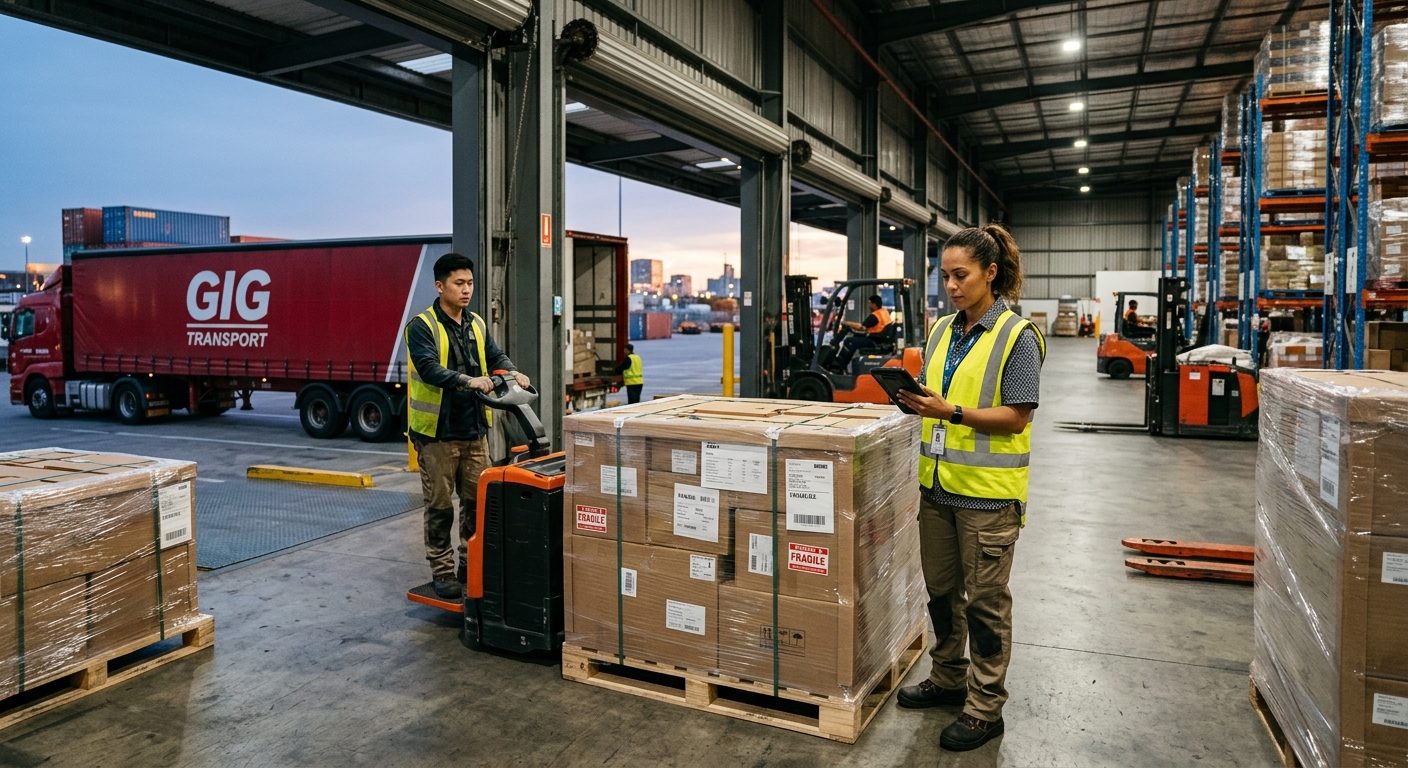
Road transport remains one of the most important pillars of modern logistics. Every day, trucks, vans, cars, motorcycles, and other vehicles move people and goods across cities, industrial areas, rural roads, and international corridors. The apparent simplicity of driving from one location to another conceals a complex operational environment in which weather, traffic, vehicle condition, road design, human behavior, and scheduling pressures interact continuously. For companies that depend on road freight, safety should never be regarded as an accessory to efficiency. It is part of efficiency itself. A delayed shipment, damaged vehicle, injured driver, or collision can create consequences far beyond the immediate incident. Good road transport therefore requires preparation,…
-
How New Trends Will Mark the Future of the Supply Chain
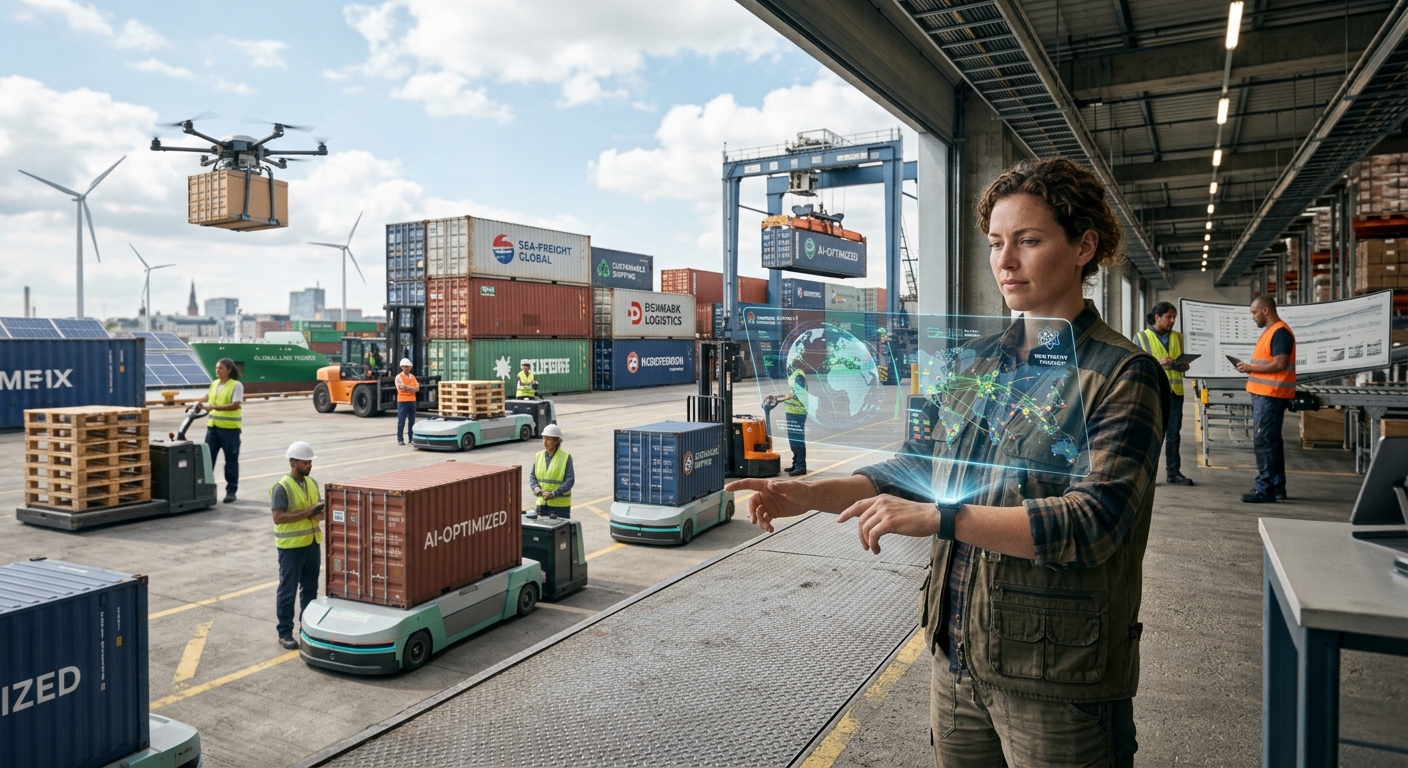
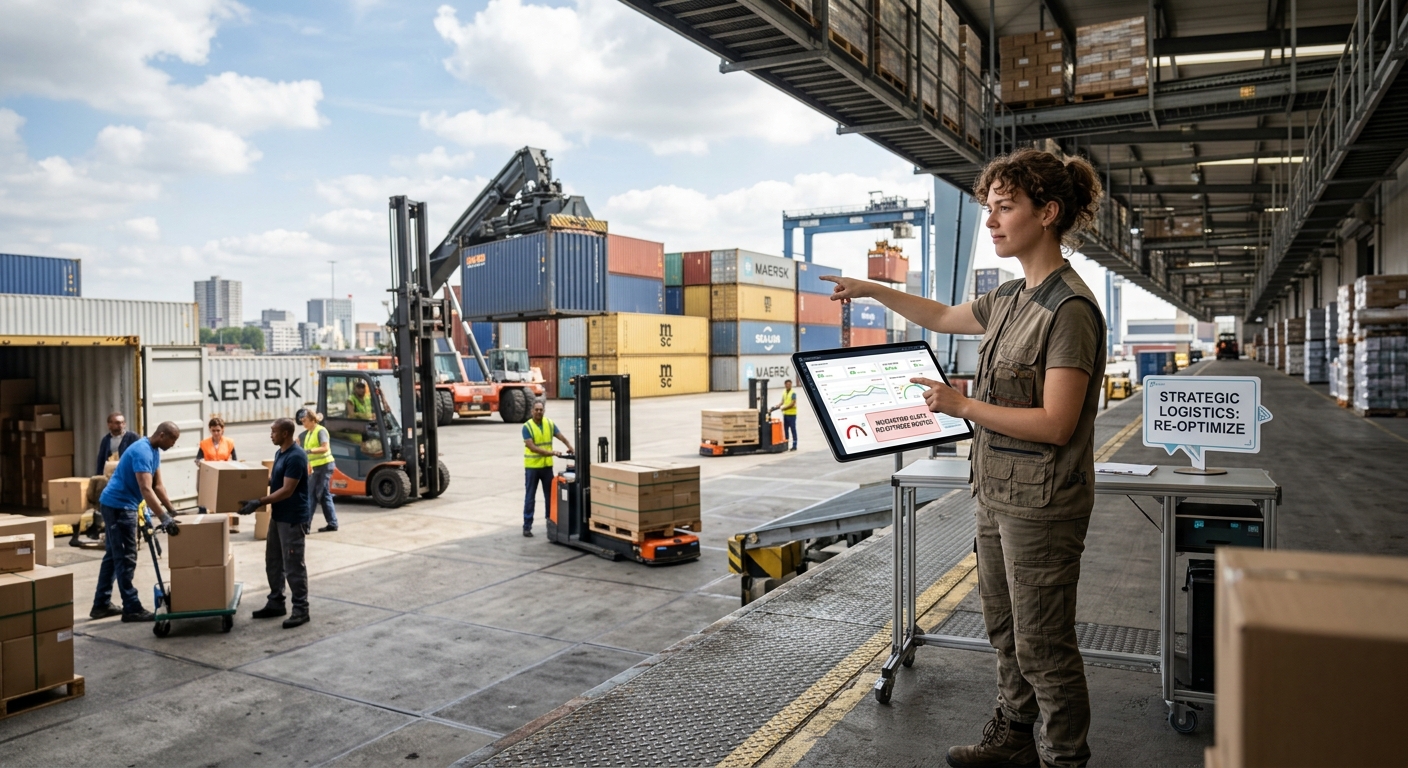
Supply chains are entering an era of profound transformation. For decades, supply chain management was largely associated with procurement, transportation, warehousing, inventory, and cost control. Those functions remain essential, but the operating environment has changed dramatically. Customers expect faster fulfillment. Markets fluctuate rapidly. Geopolitical uncertainty can disrupt established sourcing patterns. Climate-related events can affect infrastructure and production. At the same time, artificial intelligence, automation, connected devices, and advanced analytics are changing how businesses make decisions. The future supply chain will therefore be defined not simply by moving products more efficiently, but by anticipating change before it becomes disruption. This is where innovation supply chain management becomes strategically important. Innovation is…
-
Transport Services: Constant Evolution
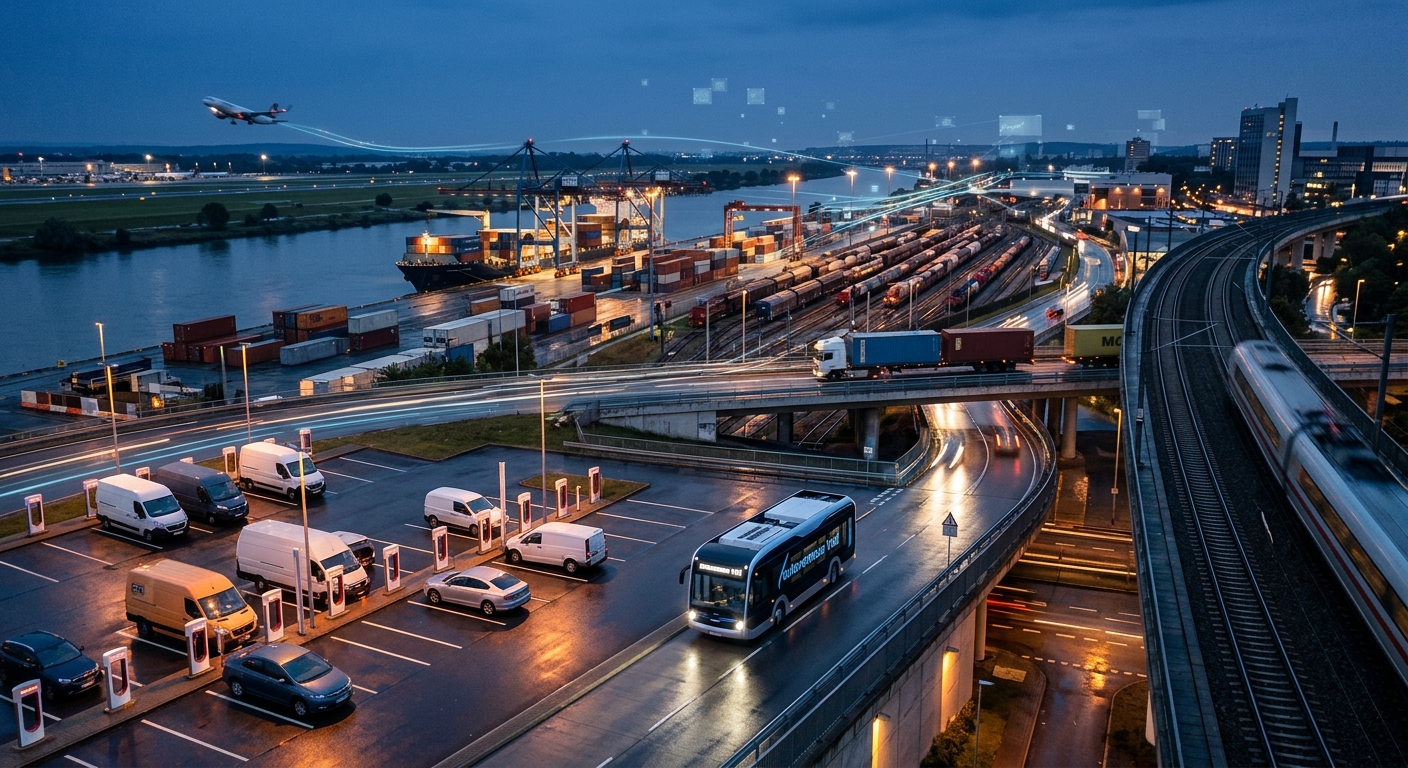
Transport services are among the most consequential systems in modern society. They connect people, businesses, industries, cities, and countries, allowing goods and passengers to move across increasingly complex networks. Yet transportation has never been static. From animal-drawn carts and sailing vessels to railways, automobiles, aircraft, electric vehicles, and autonomous systems, every technological era has reshaped how movement occurs. Changes in infrastructure, economics, urbanization, consumer expectations, environmental policy, and digital technology have continuously altered the transportation landscape. This process can be described as transport evolution. It is not simply a history of faster vehicles. It is the transformation of an entire ecosystem involving infrastructure, logistics, energy, information, regulation, and human behavior.…
-
Logistics as a Competitive Advantage
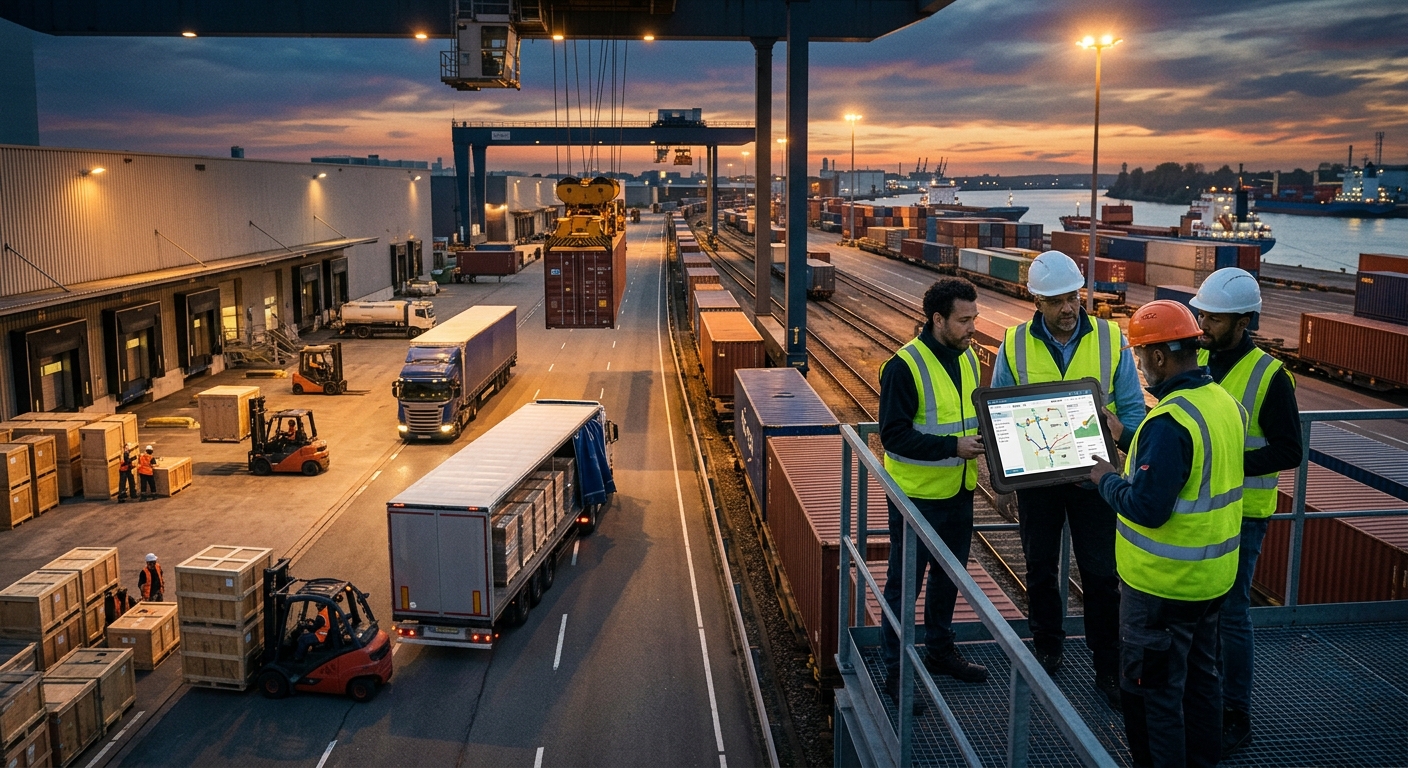
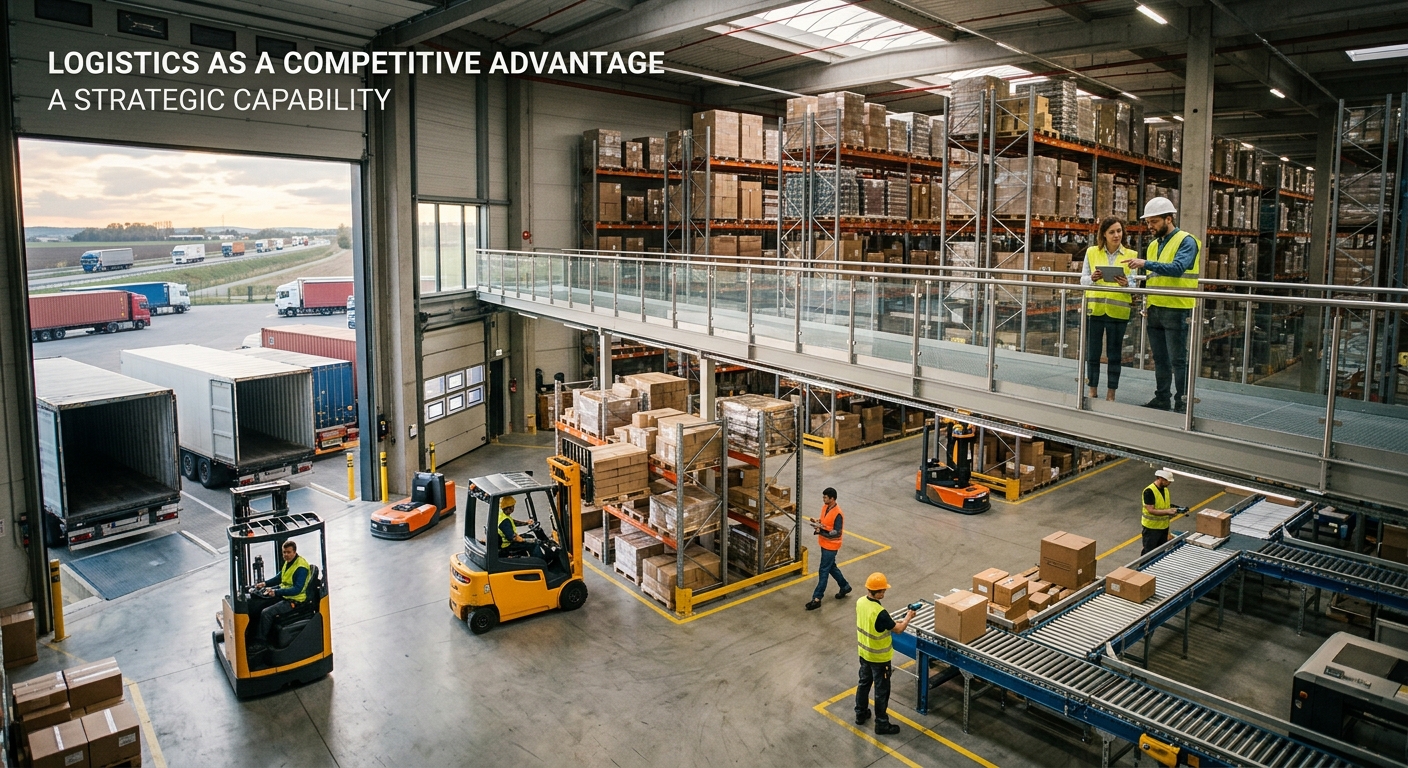
In a competitive market, companies often focus on the obvious sources of differentiation: product quality, pricing, branding, technology, or customer service. Yet there is another factor quietly influencing all of them—the ability to move products, materials, information, and resources efficiently. That factor is logistics. A company can develop an excellent product, market it brilliantly, and generate strong demand. But if the product arrives late, costs too much to deliver, repeatedly goes out of stock, or cannot be returned conveniently, the customer experience deteriorates rapidly. This is why logistics should not be regarded merely as an operational necessity. When designed strategically, it can become a genuine competitive advantage. Understanding what is…
-
The 8 Mistakes You Should Not Make in Express Transport
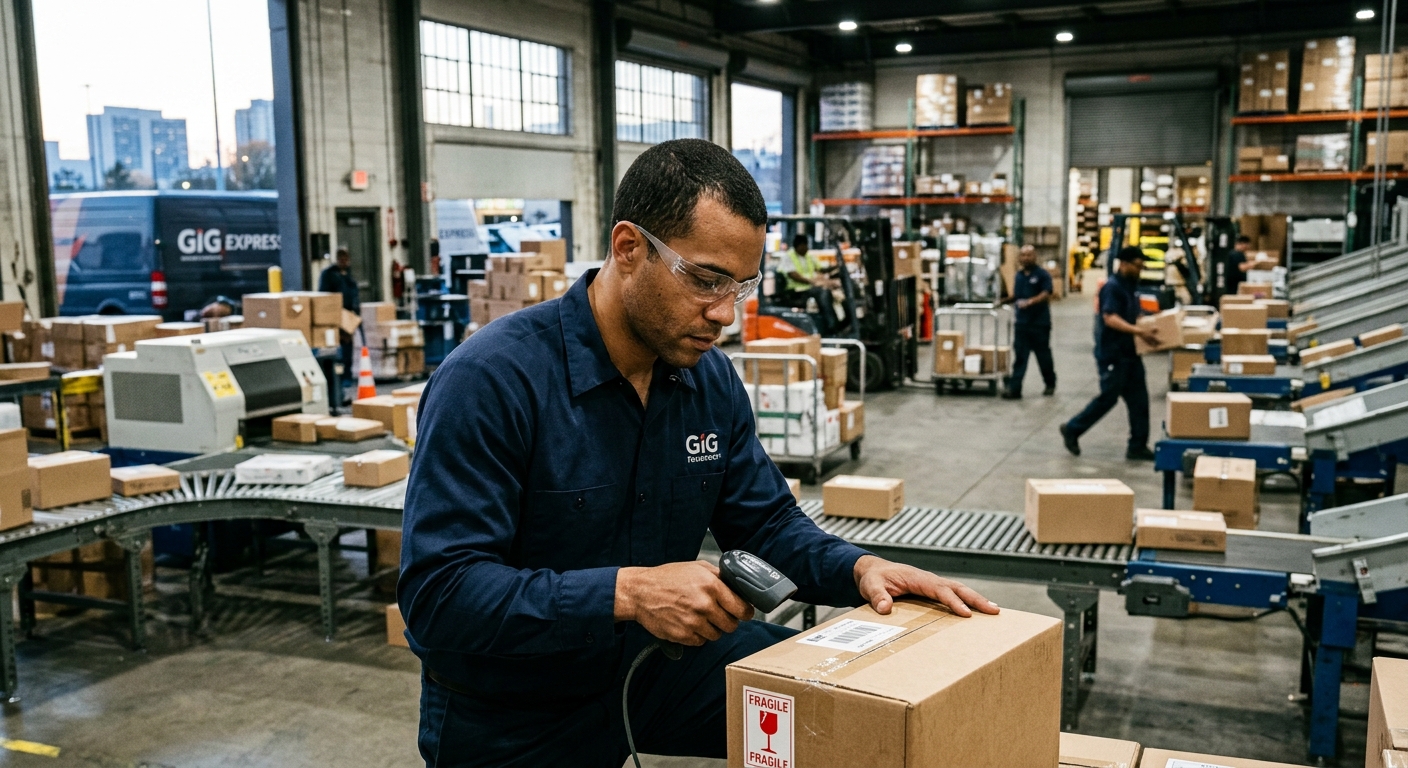
Express transport exists for one fundamental reason: time matters. When a shipment needs to arrive urgently, every stage of the logistics process becomes more consequential. A minor documentation discrepancy can delay customs clearance. An inaccurate address can send a vehicle in the wrong direction. Poor packaging can transform a fast delivery into a costly claim. Speed is valuable, but speed without precision can become counterproductive. Express transport therefore requires more than simply choosing a faster carrier. It demands careful planning, accurate information, appropriate packaging, reliable communication, and contingency management. The following eight mistakes are among the most common pitfalls in urgent transportation. Avoiding them can make the difference between a…
-
How to Take Advantage of Cargo Bags
When transporting luggage, sports equipment, camping gear, tools, or other bulky belongings, available space can disappear remarkably quickly. A vehicle that seems spacious when empty can become surprisingly cramped once suitcases, backpacks, boxes, and miscellaneous equipment are loaded. Cargo bags offer a practical solution. Flexible, relatively lightweight, and often easier to store than rigid cargo carriers, they can increase a vehicle’s carrying capacity without permanently altering it. Roof cargo bags are particularly useful for road trips, family holidays, camping excursions, moving smaller quantities of belongings, and outdoor adventures. But convenience does not mean that cargo bags should be treated casually. Correct packing, weight distribution, weather protection, fastening, and driving considerations…
-
11 logistics problems that bog down your company
SMEs account for 99.9% of all companies in Spain. With more than three million SMEs, according to the Ministry of Industry, it is easy to see that they are the industrial heart of the country. However, this does not prevent them from having to fight every day to overcome their difficulties. As logistics operators, today we wanted to focus on the most frequent problems that SMEs encounter when managing their logistics. Common logistical failures and problems in SMEs Lack of stock control Many of the difficulties that we are going to see are directly related to the lack of resources. Fortunately, advances in technology are making solutions such as warehouse…
-
Transport companies: what you should demand from them
“What am I allowed to expect?” For Immanuel Kant, this was one of the fundamental questions that human beings should ask themselves. The German philosopher was probably not very interested in logistics, but he was right with an idea that you have to keep in mind when choosing transport companies for your company. What should we demand from the logistics operators with whom we work? What can we expect from them? We have made a small list of some qualities that, as a transport company, we consider essential to offer. On this occasion we have emphasized qualities and interpersonal skills. In a world like logistics, where data is increasingly influential,…
-
Convenience points, a transport service to discover
The difficulty in deliveries to individuals is one of the big problems for both companies and consumers. Convenience points are among the measures that are giving the best results, a transport service that is already well received in other countries but that in Spain has only begun to take off. The problem of home deliveries We have all experienced firsthand the problem of receiving packages in our homes. Working hours or any other circumstance that makes us leave home end up with failed deliveries -along with the inconvenience of having to reschedule the delivery- or with the obligation to stay longer than desired at home if we want to receive…
-
The 14 most common errors in freight transport
Lots of companies ship merchandise. Whether it is finished products, shipments to the final customer or materials that still need to be further worked on, the volume of freight transport worldwide is immense. But, despite being such a daily action, on many occasions basic mistakes continue to be made that hinder companies. These 14 mistakes make your costs higher than they should be every day, make your customers angry, worsen the service they receive, and create inefficiencies throughout your entire supply chain. 14 mistakes to avoid when transporting goods 1.- Not having a good packaging Poorly packaged merchandise has a large number of ballots to arrive in poor condition. Despite…

Let's Live Life Better