-
The Challenges of Environmental Logistics
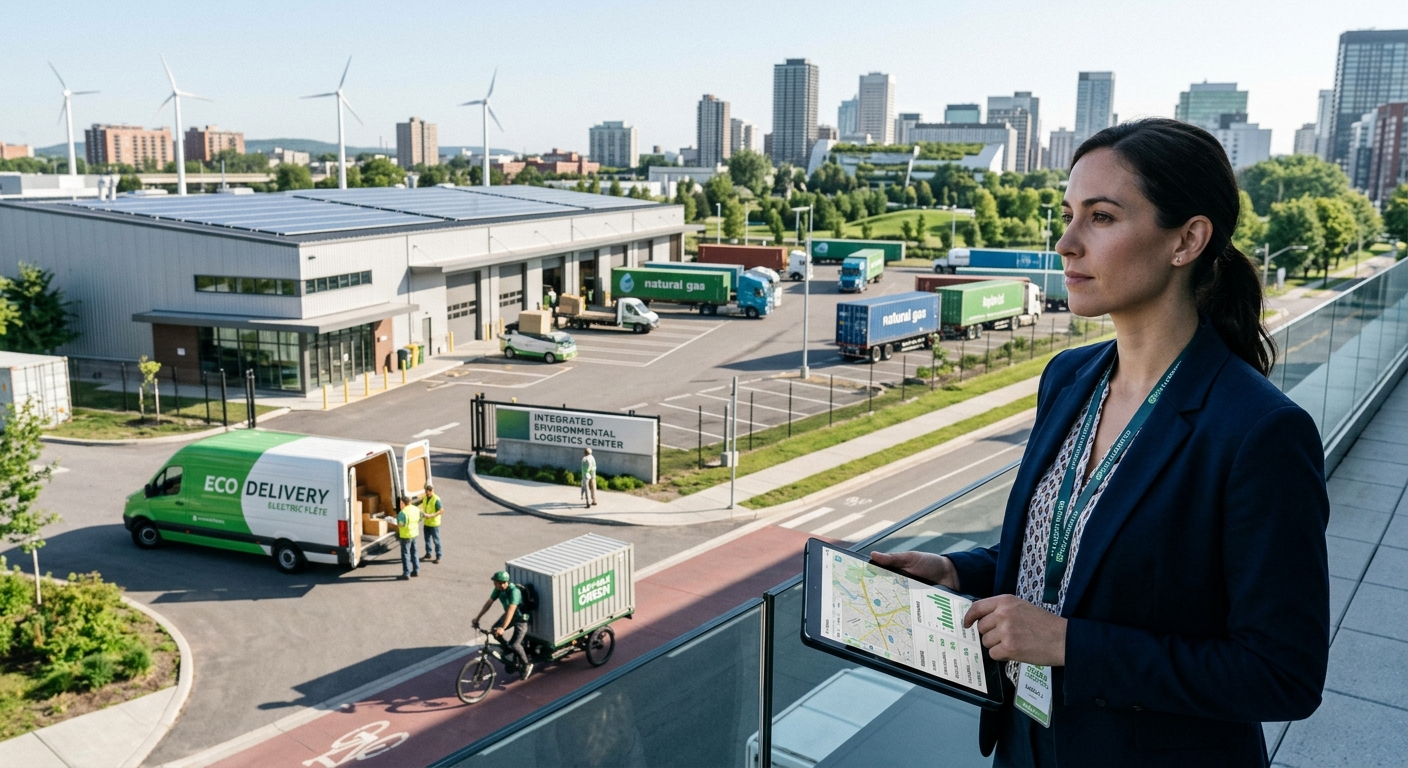
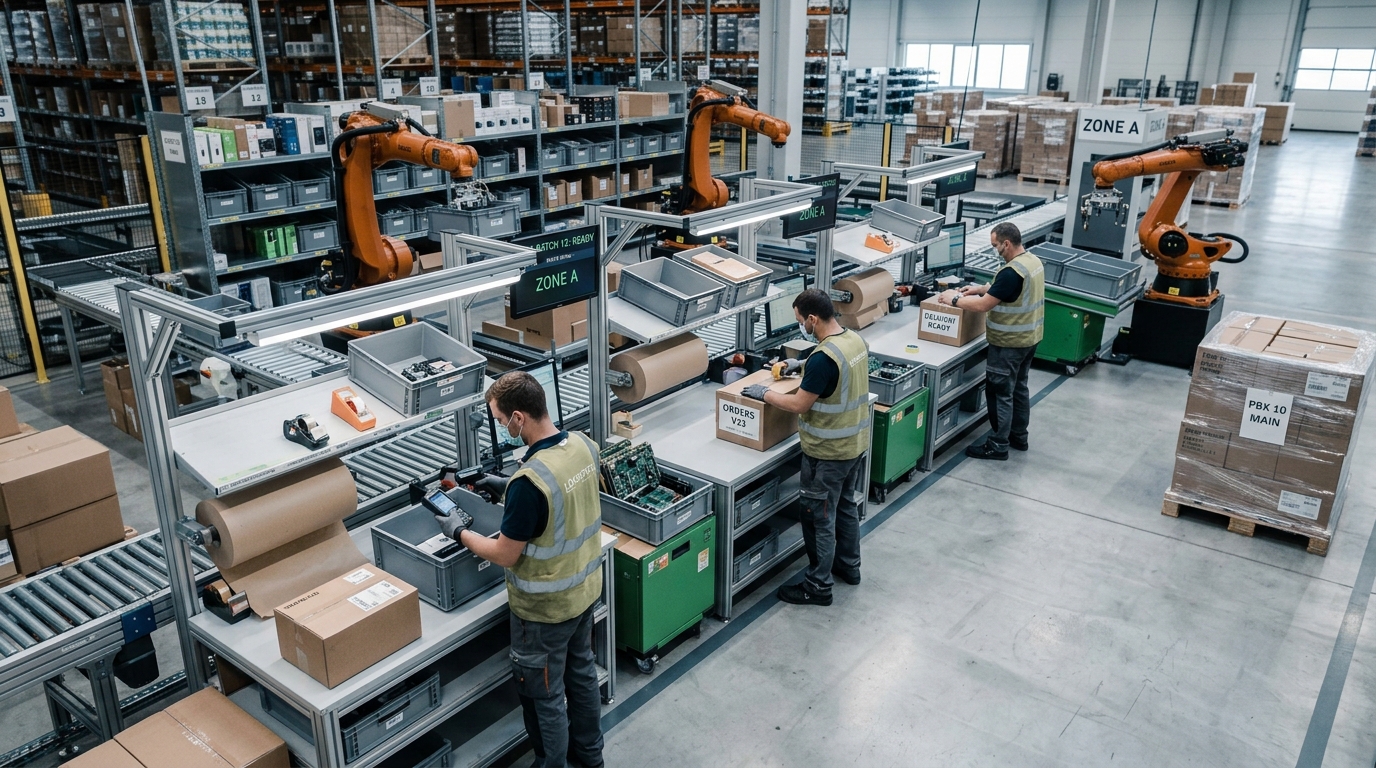
Environmental logistics has moved from being a niche concern to a central issue in modern supply-chain management. Companies are under increasing pressure to deliver products efficiently while reducing emissions, minimizing waste, using resources responsibly, and responding to increasingly demanding environmental expectations. The contradiction is obvious. Logistics exists to move things. Moving things consumes resources. Products must be transported, stored, packaged, handled, returned, repaired, recycled, or eventually discarded. Every stage creates an environmental footprint, which means that making logistics genuinely sustainable requires much more than replacing conventional vehicles with electric alternatives. Environmental logistics is a systemic challenge. It involves transportation, warehousing, packaging, inventory management, procurement, product design, customer behavior, reverse flows,…
-
How New Trends Will Mark the Future of the Supply Chain
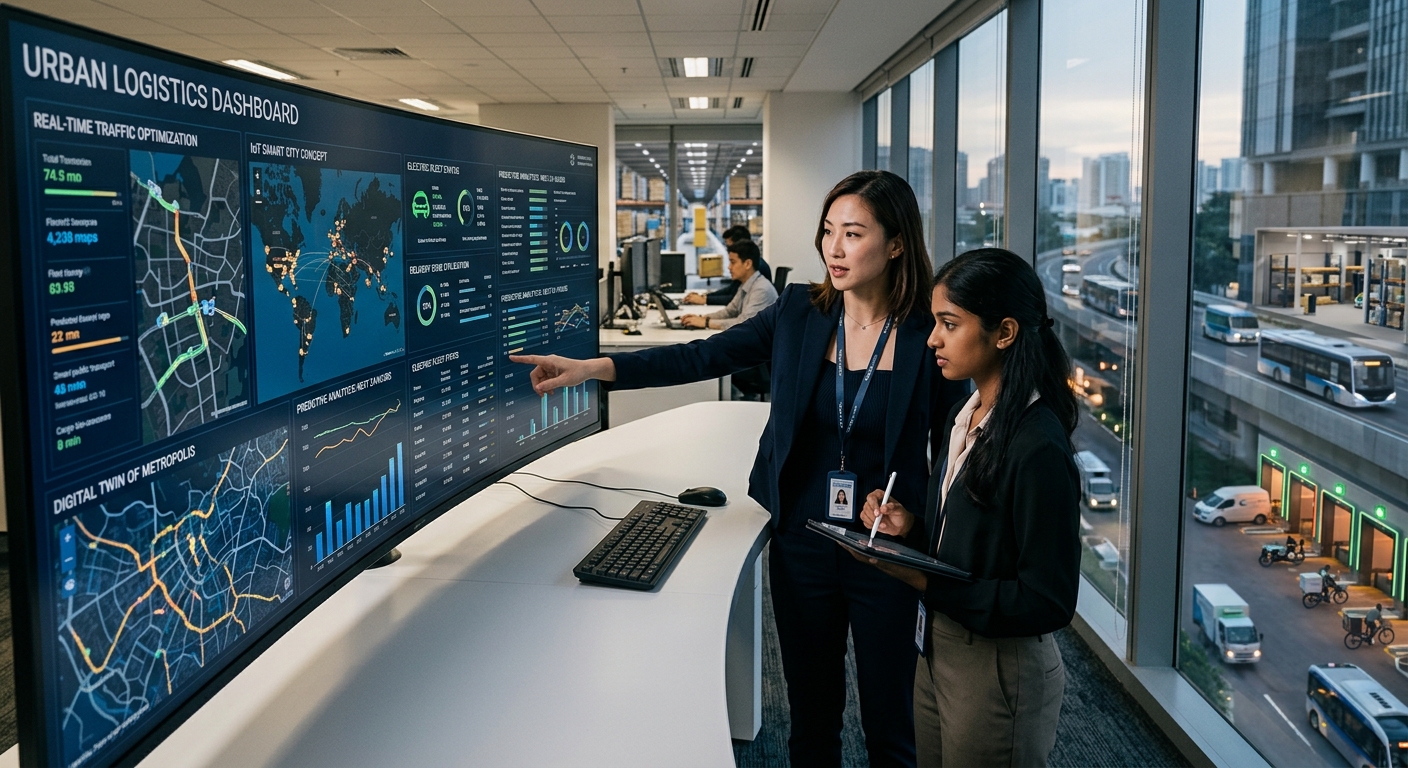
Supply chains are entering an era of profound transformation. For decades, supply chain management was largely associated with procurement, transportation, warehousing, inventory, and cost control. Those functions remain essential, but the operating environment has changed dramatically. Customers expect faster fulfillment. Markets fluctuate rapidly. Geopolitical uncertainty can disrupt established sourcing patterns. Climate-related events can affect infrastructure and production. At the same time, artificial intelligence, automation, connected devices, and advanced analytics are changing how businesses make decisions. The future supply chain will therefore be defined not simply by moving products more efficiently, but by anticipating change before it becomes disruption. This is where innovation supply chain management becomes strategically important. Innovation is…
-
Transport Services: Constant Evolution
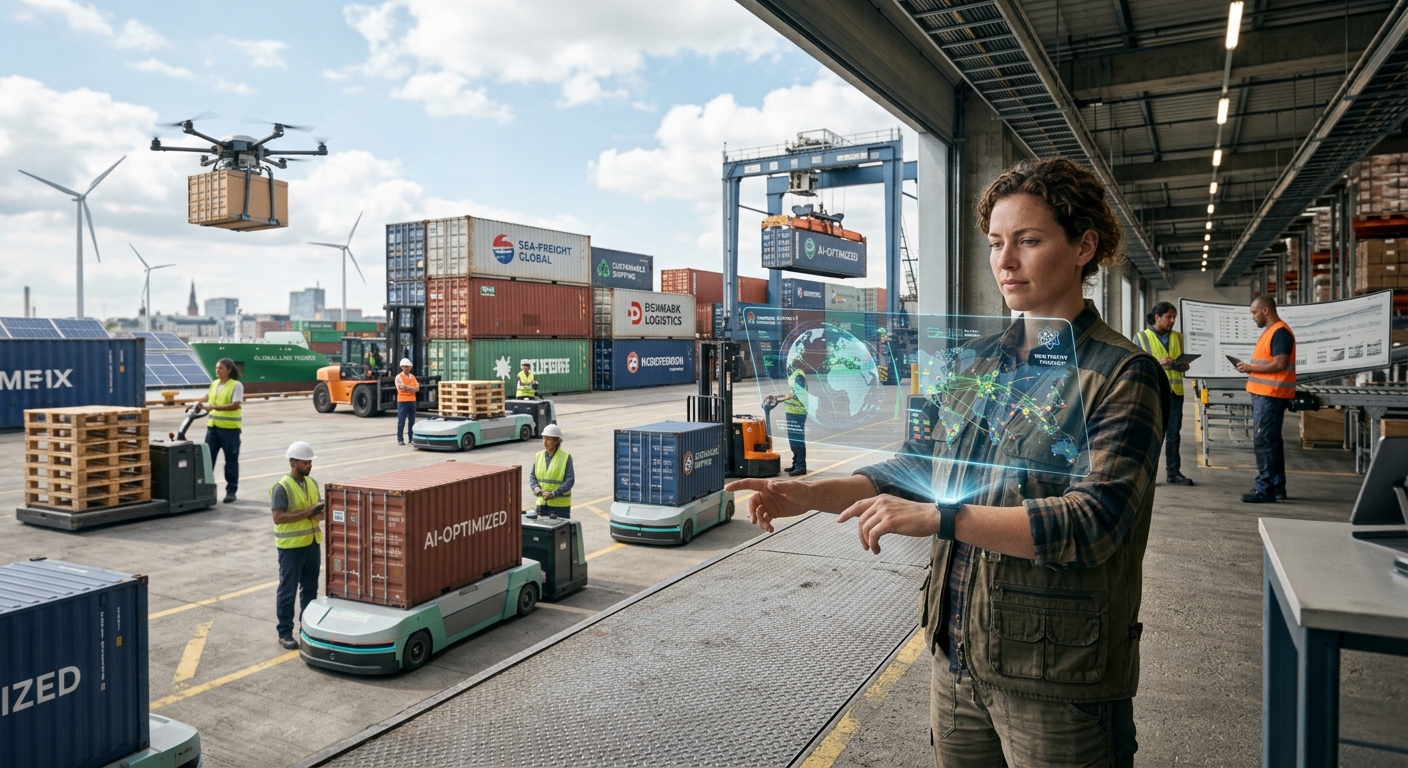
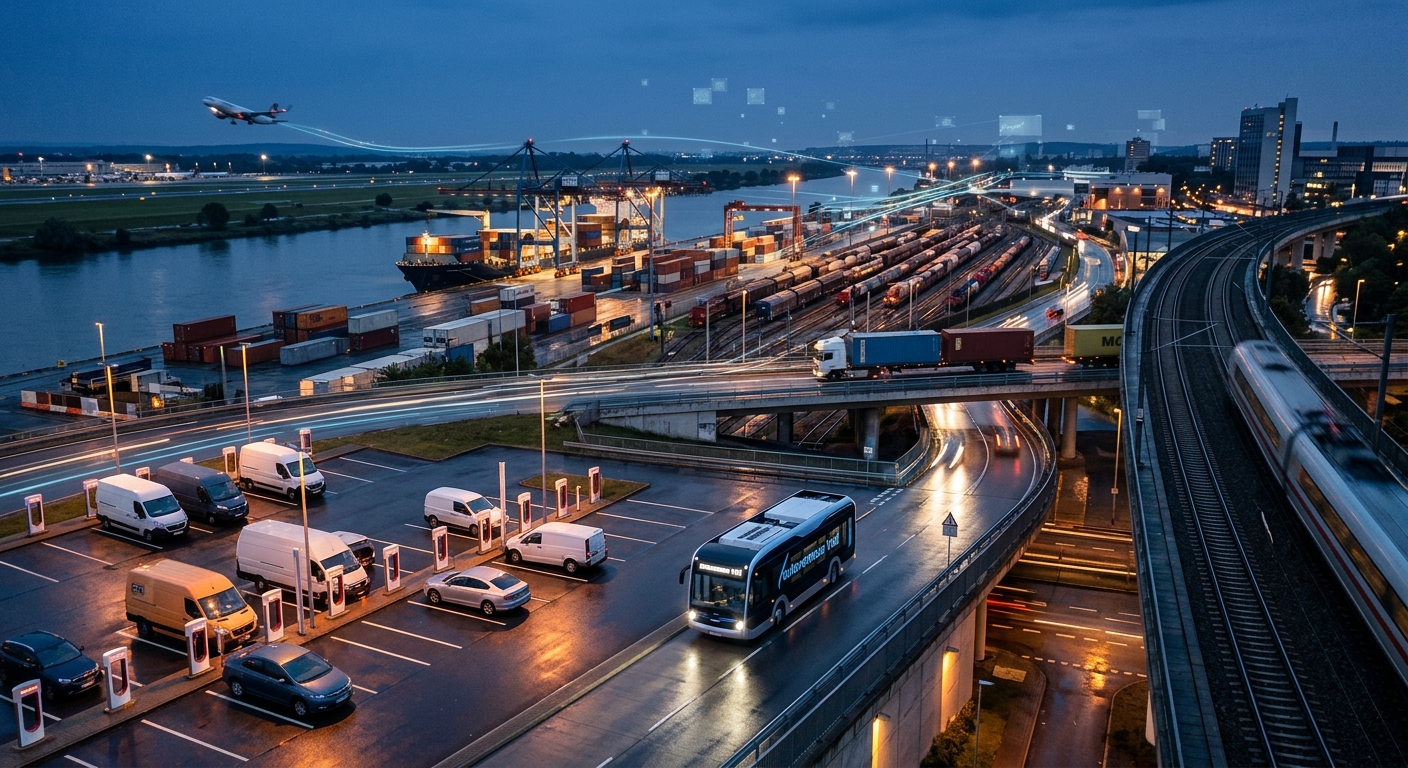
Transport services are among the most consequential systems in modern society. They connect people, businesses, industries, cities, and countries, allowing goods and passengers to move across increasingly complex networks. Yet transportation has never been static. From animal-drawn carts and sailing vessels to railways, automobiles, aircraft, electric vehicles, and autonomous systems, every technological era has reshaped how movement occurs. Changes in infrastructure, economics, urbanization, consumer expectations, environmental policy, and digital technology have continuously altered the transportation landscape. This process can be described as transport evolution. It is not simply a history of faster vehicles. It is the transformation of an entire ecosystem involving infrastructure, logistics, energy, information, regulation, and human behavior.…
-
What does ecommerce want from logistics?
The first commandment for all companies is to respond to the needs of their customers. But knowing your wishes is something that is becoming more difficult every day, due to the constant change that society and business are going through. And if there is any paradigmatic example of dizzying changes and evolution, that is electronic commerce. In order to respond to what ecommerce customers want, the eCommerce Observatory and Tipsa (our parcel distribution network) have surveyed the 20,000 Observatory subscribers to find out their opinion. Its objective: “to obtain a wide sample that allows obtaining results that reflect the current reality of logistics and its relationship with the evaluation of…
-
The 14 most common errors in freight transport
Lots of companies ship merchandise. Whether it is finished products, shipments to the final customer or materials that still need to be further worked on, the volume of freight transport worldwide is immense. But, despite being such a daily action, on many occasions basic mistakes continue to be made that hinder companies. These 14 mistakes make your costs higher than they should be every day, make your customers angry, worsen the service they receive, and create inefficiencies throughout your entire supply chain. 14 mistakes to avoid when transporting goods 1.- Not having a good packaging Poorly packaged merchandise has a large number of ballots to arrive in poor condition. Despite…
-
logistics functions
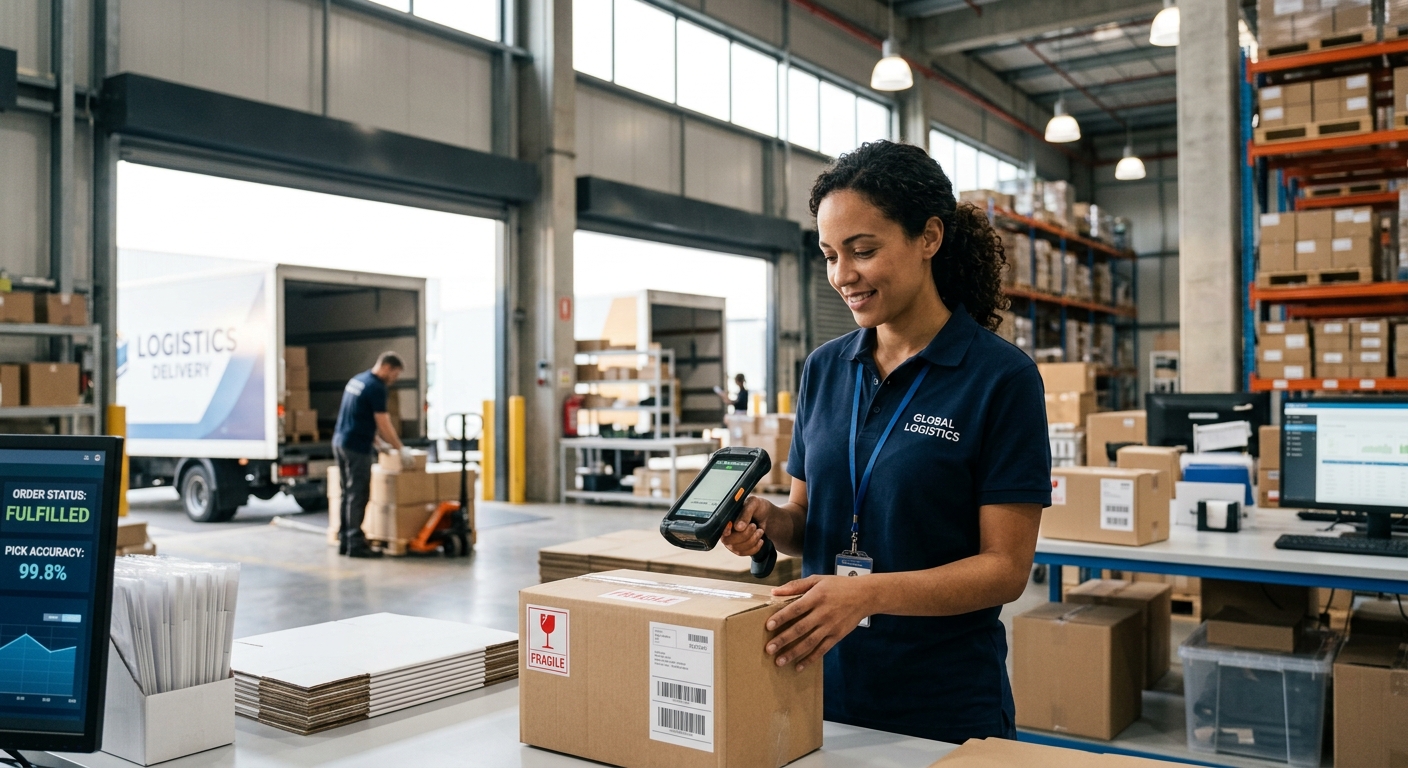
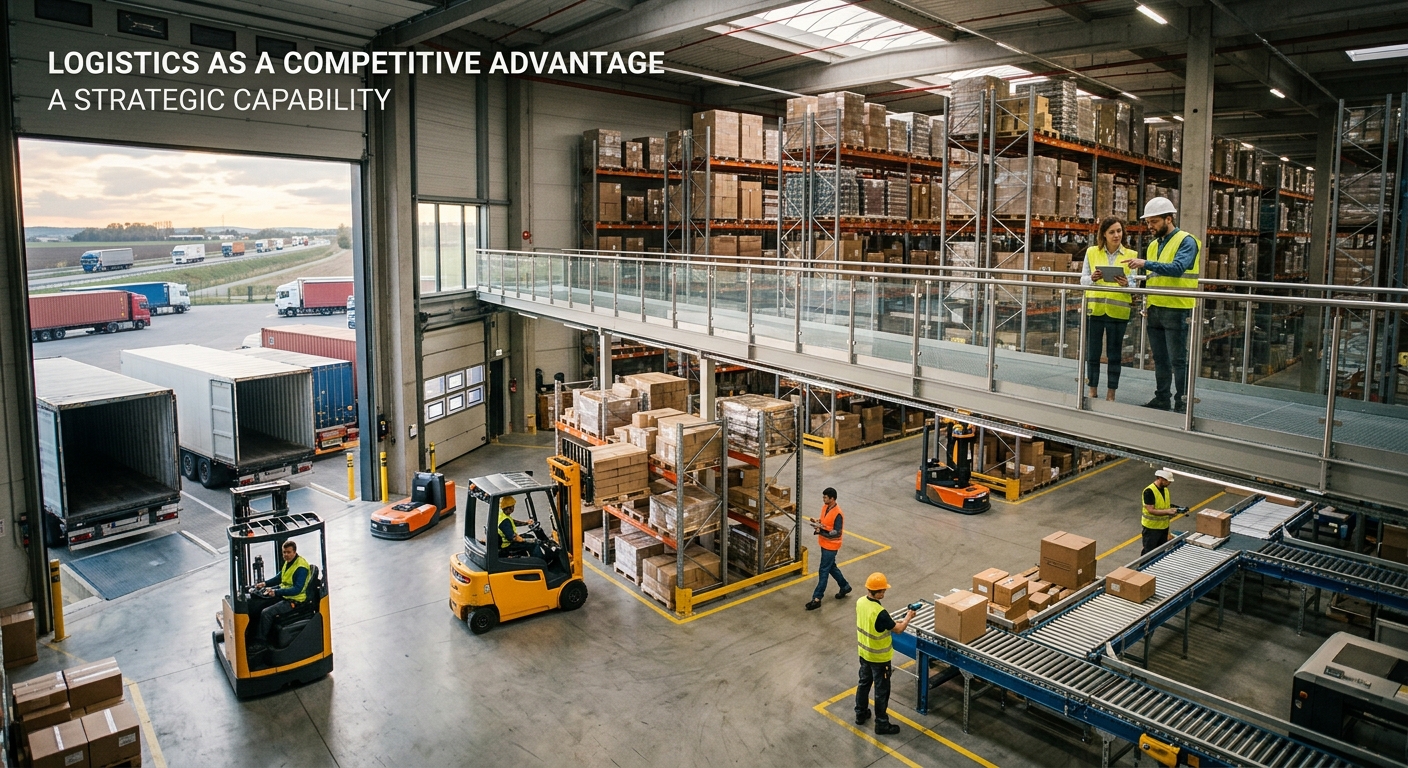
Logistics is a multidisciplinary science. It encompasses many activities, very varied departments, different professionals and usually involves several companies throughout its journey. But its diversity does not end here. If we talk about the functions of logistics, what it tries to achieve with its activity, the range continues to expand more and more. To help understand this range of logistics functions we have divided them into activities, tasks and objectives (which we will see in the next article). What are the functions of Logistics Activities Transportation: transportation is the part in which the merchandise, already loaded on the vehicles, transits from its origin to its destination. Although summarized like this…

Let's Live Life Better