-
Just in Case: When Not Everything Is Just in Time
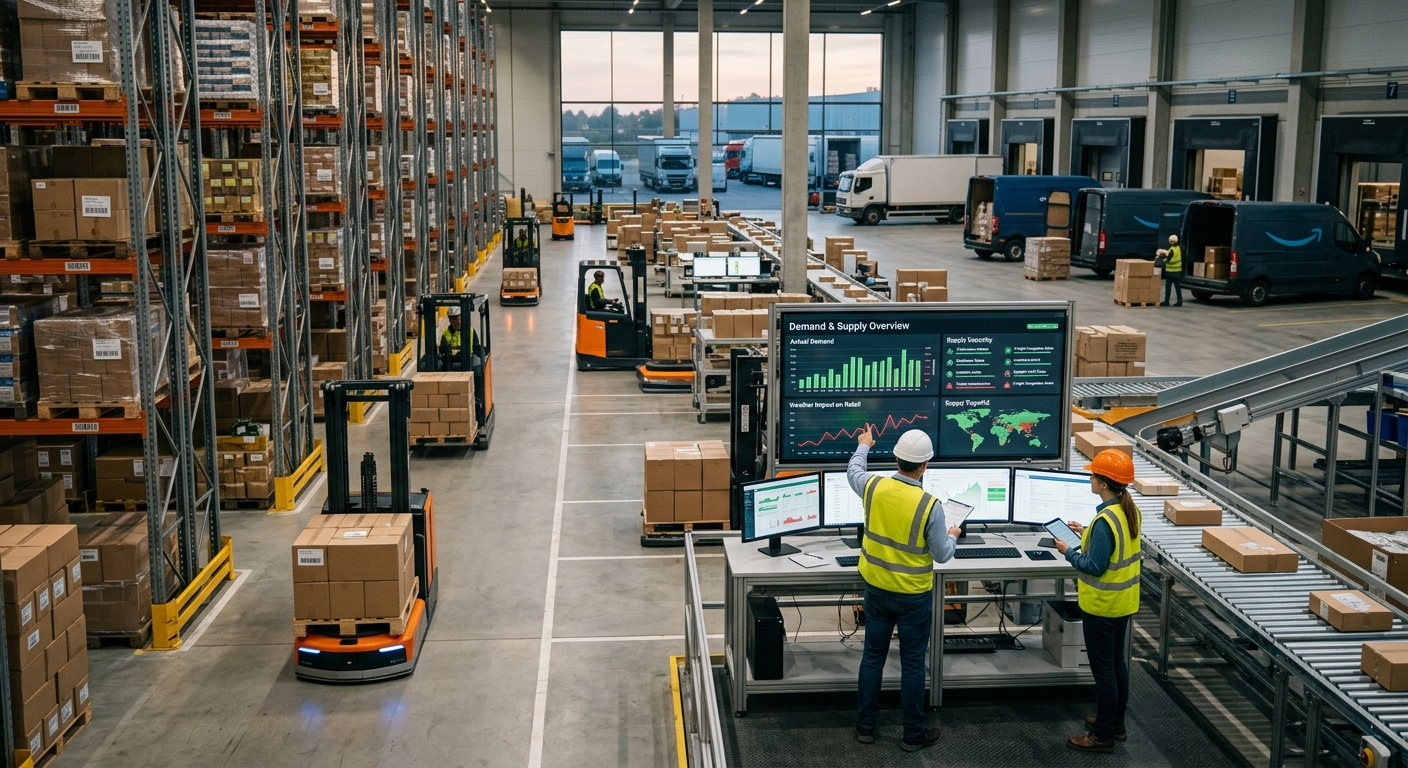
For decades, efficiency has been one of the great organizing principles of modern logistics. Businesses have learned to reduce unnecessary inventory, shorten lead times, optimize warehouse space, streamline transportation, and synchronize purchasing with actual demand. The philosophy is compelling. Why store ten thousand units when only two thousand are expected to sell? Why occupy valuable warehouse space with products that may remain untouched for months? Why tie up capital in inventory when suppliers can replenish stock precisely when it is needed? This thinking gave rise to the celebrated just-in-time approach. But supply chains do not operate in a vacuum. Disruptions happen. Suppliers experience shortages. Ports become congested. Weather interferes with…
-
The Problem of Balancing Demand and Supply
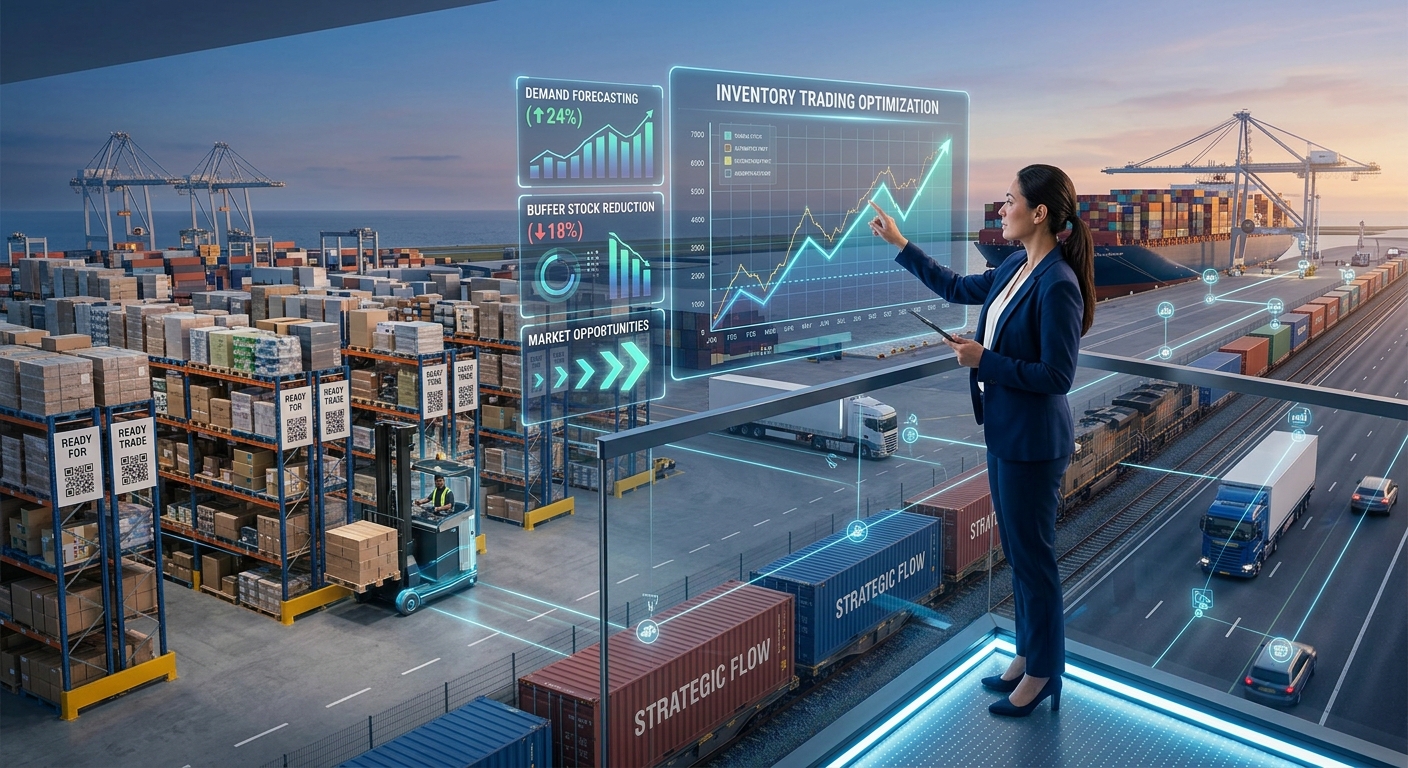
Balancing demand and supply is one of the most persistent challenges in business. Every organization that produces, distributes, sells, or purchases goods and services faces the same fundamental question: how much should be available, and when should it be available? The question sounds straightforward. The answer rarely is. Demand fluctuates. Customers change their preferences. Suppliers experience delays. Production capacity has limits. Transportation networks become congested. Economic conditions shift. Seasonal patterns appear and disappear. Even unexpected weather can transform purchasing behavior within hours. This makes the balancing of supply and demand less like a static calculation and more like a continuous act of calibration. Too much supply can create excess inventory,…
-
Machine learning and logistics
Artificial intelligence is already a reality. The miracle of the machines that think occurs daily and the amount of researchers and investment behind it suggests that it will have a great future. Machine learning, or automatic learning, is one of its branches and it is going to give a lot of talk in the world of logistics due to its ability to refine demand predictions, fight against the bullwhip effect and to help in planning supply chains. What is machine learning Machine learning is the analysis process that allows computers to extract knowledge from huge amounts of data, without needing to be specifically programmed where and how to search. Machine…
-
Logistics 4.0 for Industry 4.0
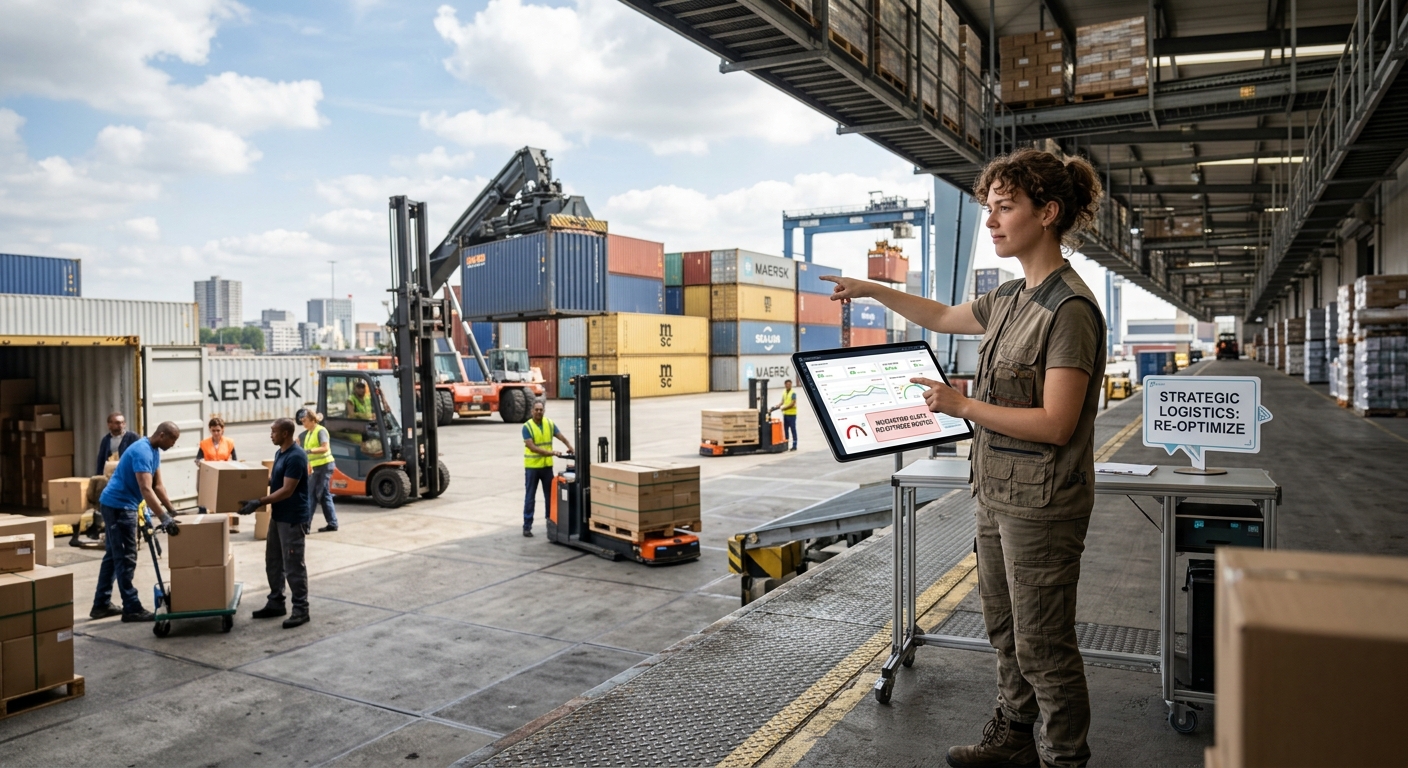
What is Logistics 4.0? In a world in which the number of acronyms and new terms does not stop growing, there are few that finally remain in time due to their usefulness. If we go by its importance, Logistics 4.0 has many chances to be long-lived, since it will be essential in the latest revolution in the business world: Industry 4.0. Industry 4.0 is the name by which the fourth industrial revolution is known. The first, which began in the 18th century, arose with the application of steam to manufacturing processes. The second, in the 19th century, has electricity and chain production as protagonists; while the third, in the last…

Let's Live Life Better