-
The Challenges of Environmental Logistics
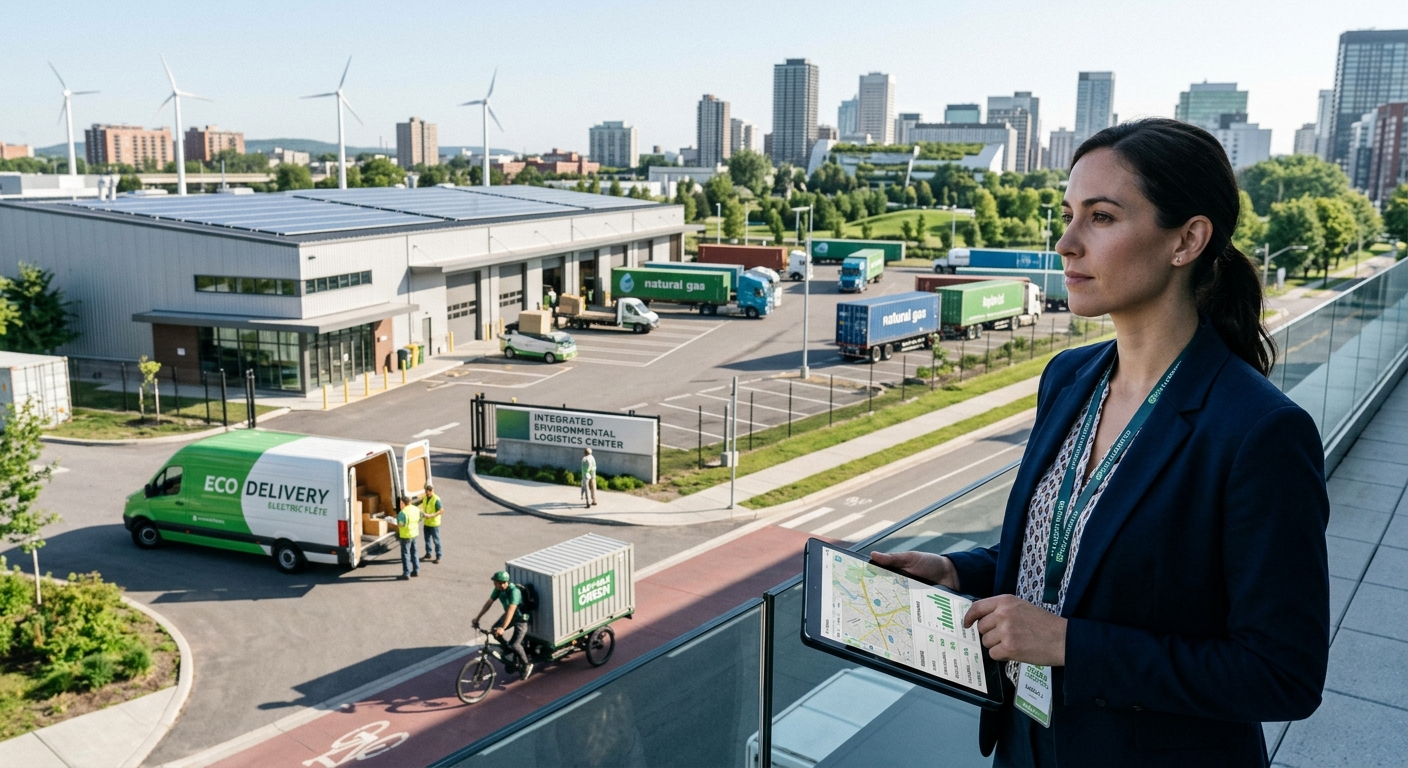
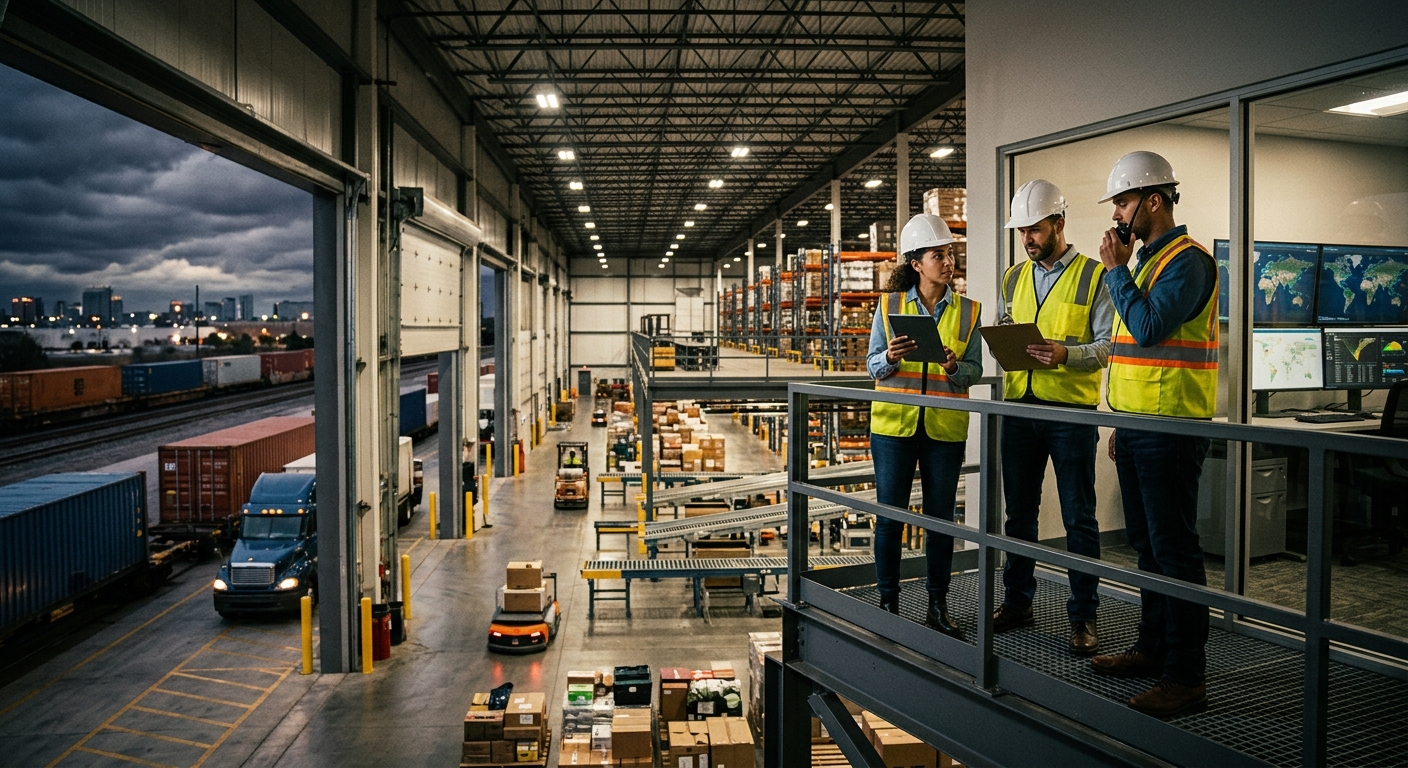
Environmental logistics has moved from being a niche concern to a central issue in modern supply-chain management. Companies are under increasing pressure to deliver products efficiently while reducing emissions, minimizing waste, using resources responsibly, and responding to increasingly demanding environmental expectations. The contradiction is obvious. Logistics exists to move things. Moving things consumes resources. Products must be transported, stored, packaged, handled, returned, repaired, recycled, or eventually discarded. Every stage creates an environmental footprint, which means that making logistics genuinely sustainable requires much more than replacing conventional vehicles with electric alternatives. Environmental logistics is a systemic challenge. It involves transportation, warehousing, packaging, inventory management, procurement, product design, customer behavior, reverse flows,…
-
How to Know When to Innovate in Logistics
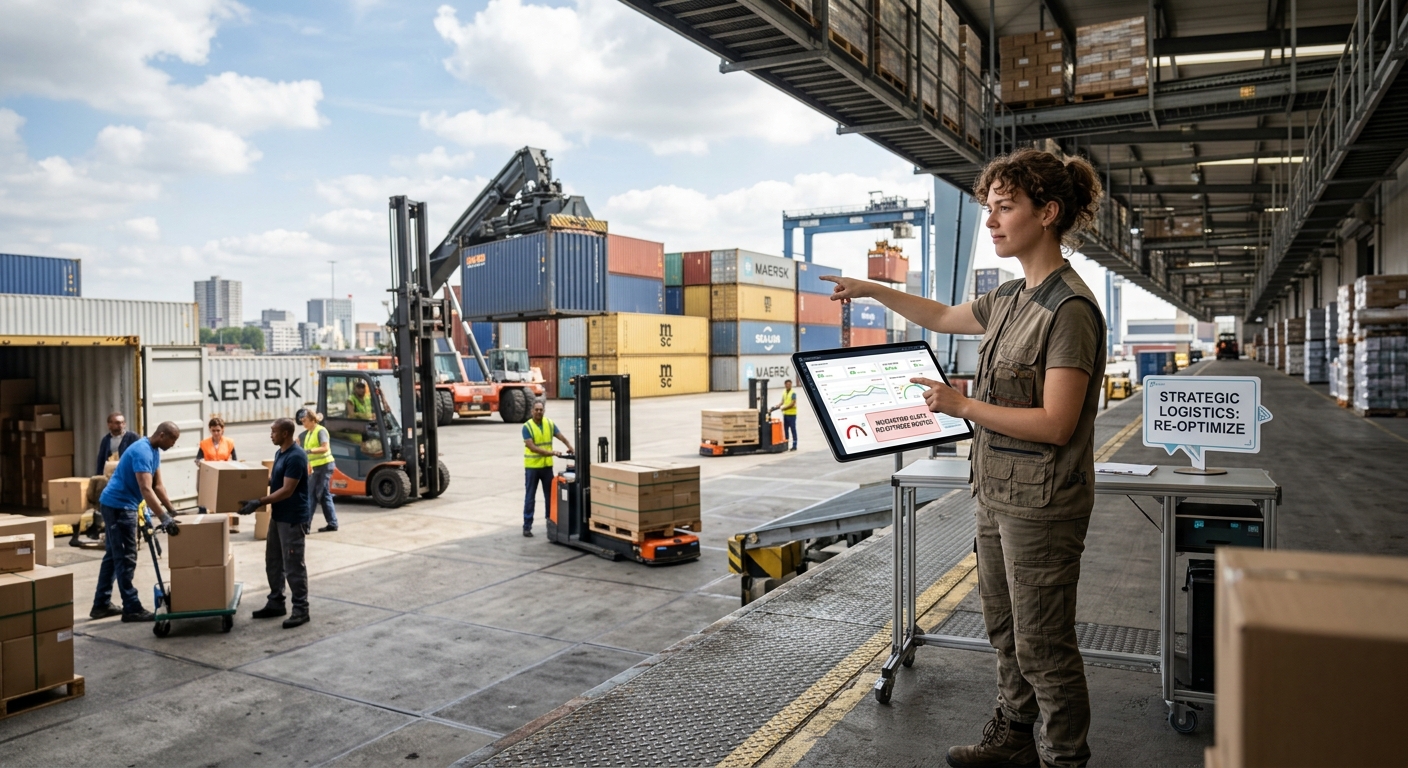
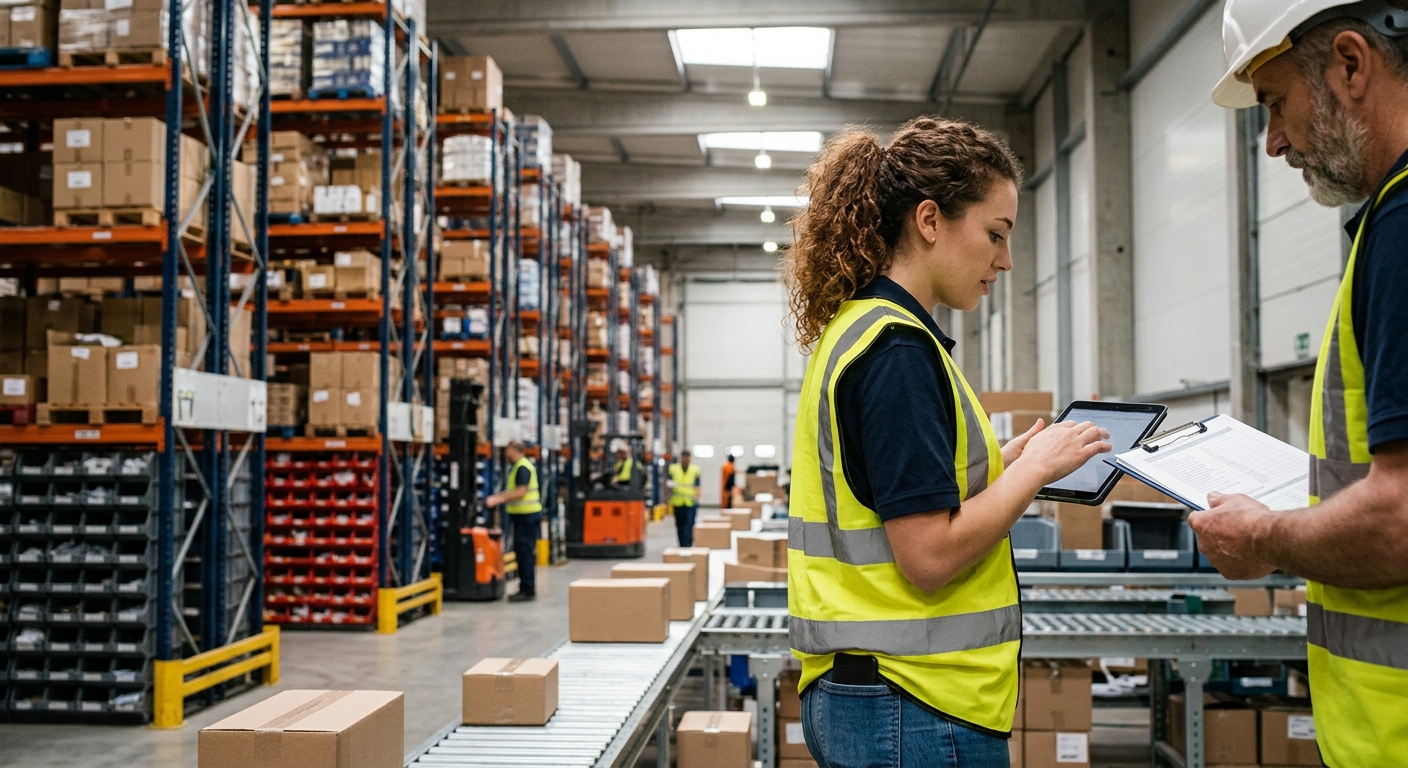
Logistics rarely announces that it needs to change. There is no universal alarm that sounds when a warehouse has become inefficient, a transportation network has become obsolete, or an inventory process is quietly consuming more money than it should. Instead, the warning signs tend to emerge gradually: delivery times become less predictable, labor costs creep upward, customers demand greater visibility, or employees develop increasingly elaborate workarounds to compensate for outdated systems. That makes innovation in logistics both necessary and difficult. The challenge is not simply discovering new technologies. It is knowing when change is justified, where it should occur, and how to introduce it without destabilizing operations that are already…
-
Pallet or Pallet… or Palette? How Is This Written?
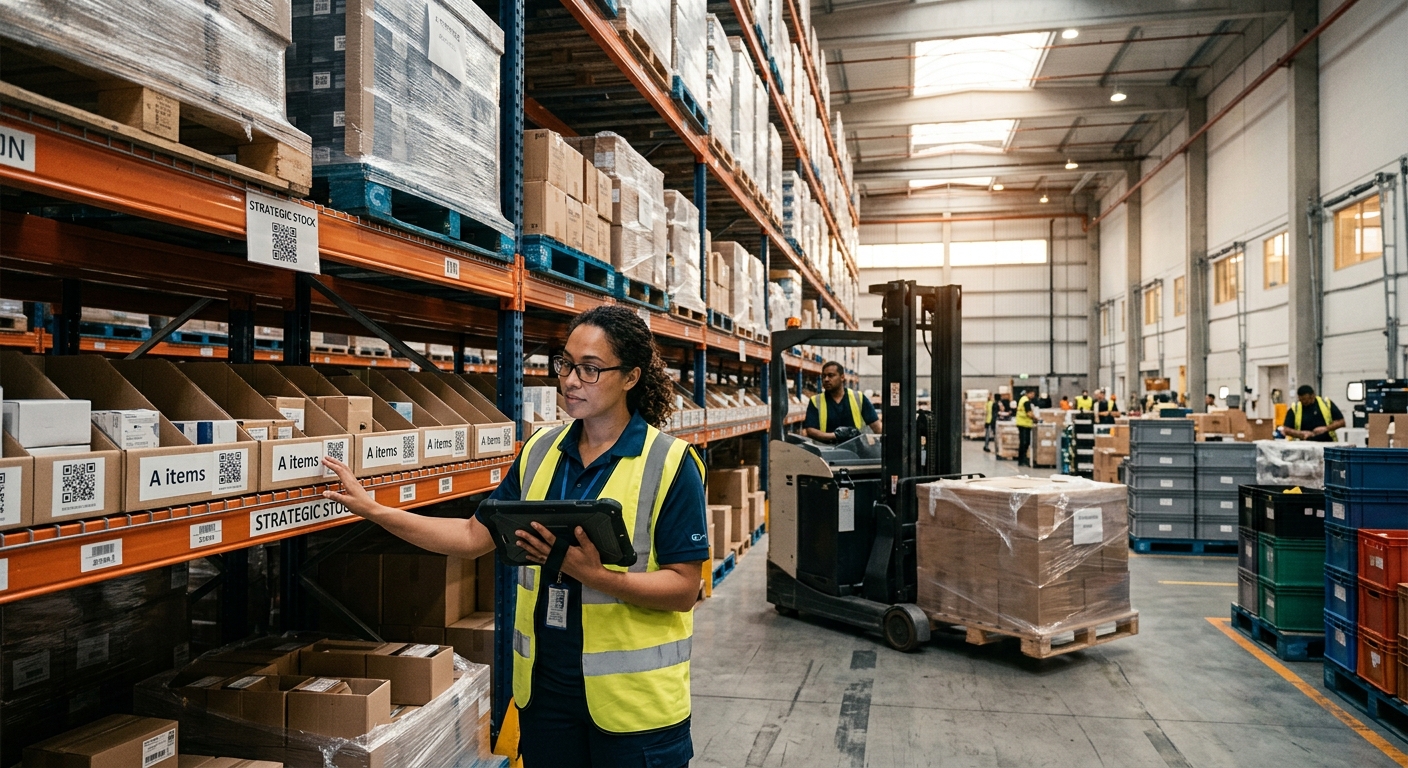
English is filled with words that sound alike but differ dramatically in spelling and meaning. Such words can be deceptively troublesome because pronunciation offers little assistance. A speaker may confidently use the correct word in conversation while hesitating when the same term appears on a page. Few examples illustrate this linguistic predicament better than pallet, palette, and palate. They are homophones in many varieties of English, meaning that they are generally pronounced alike or very similarly despite having distinct spellings and meanings. Yet their semantic territories could scarcely be more different. One belongs to logistics and warehousing, another to painting and design, while the third concerns taste and the anatomy…
-
Logistics and Transport: Differences and Similarities
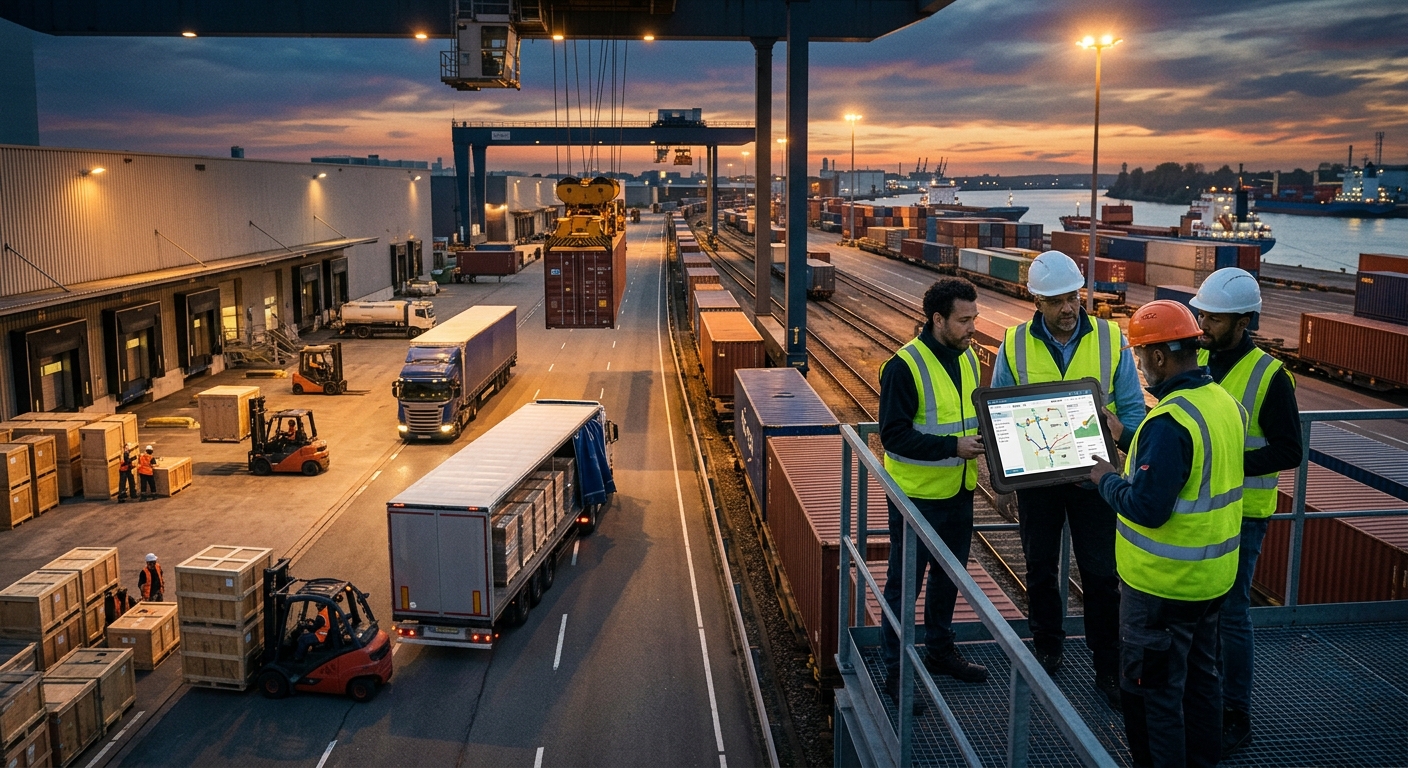
Logistics and transport are often mentioned in the same breath. That makes sense: both are concerned with moving goods and ensuring that products reach the places where they are needed. Yet the two concepts are not interchangeable. Transport is a fundamental component of logistics, but logistics encompasses a much broader range of activities. Understanding this distinction is useful for businesses of every size because the way goods are moved, stored, tracked, and distributed can directly affect costs, customer satisfaction, operational resilience, and growth. So, what is logistics and transportation? In simple terms, transportation focuses primarily on the movement of goods or people from one location to another. Logistics coordinates that…
-
The Seven Deadly Sins of a Logistician
Logistics is often described as the art of getting the right product to the right place at the right time and in the right condition. The definition sounds tidy. The reality is anything but. Behind every successful delivery sits a dense latticework of schedules, suppliers, warehouses, vehicles, vessels, customs procedures, inventory records, forecasts, personnel, and contingency plans. One weak link can disturb the entire chain. A delayed shipment can become a production stoppage. A forecasting error can create mountains of excess inventory. A poorly documented consignment can languish in customs. A minor communication failure can propagate through an operation like a crack traveling across glass. Logisticians therefore need more than…
-
Logistics as a Competitive Advantage
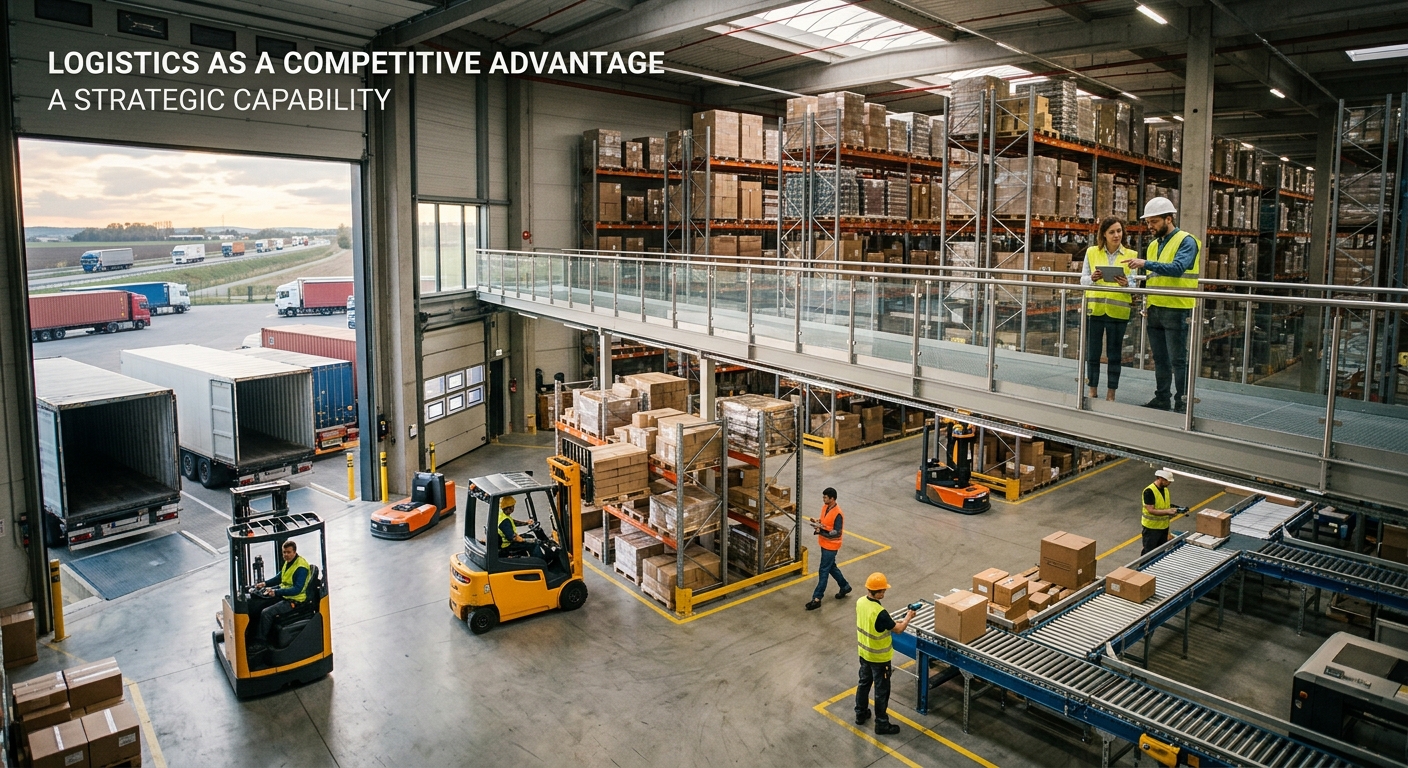
In a competitive market, companies often focus on the obvious sources of differentiation: product quality, pricing, branding, technology, or customer service. Yet there is another factor quietly influencing all of them—the ability to move products, materials, information, and resources efficiently. That factor is logistics. A company can develop an excellent product, market it brilliantly, and generate strong demand. But if the product arrives late, costs too much to deliver, repeatedly goes out of stock, or cannot be returned conveniently, the customer experience deteriorates rapidly. This is why logistics should not be regarded merely as an operational necessity. When designed strategically, it can become a genuine competitive advantage. Understanding what is…
-
Logistical Agility, Life Insurance Against the Unexpected
Modern supply chains operate in an environment where certainty is increasingly elusive. Demand can change abruptly. Ports can become congested. Suppliers can experience production failures. Extreme weather can interrupt transportation networks, while geopolitical tensions can redraw established trade routes almost overnight. For businesses that depend on the continuous movement of goods, these events are more than temporary inconveniences. They can affect production, revenue, customer relationships, inventory levels, and reputation. This is where logistical agility becomes invaluable. Agility is the capacity to adapt rapidly when circumstances change without allowing the entire operation to become destabilized. It is not simply about moving faster. It is about having enough visibility, flexibility, redundancy, and…
-
What Is Thinking Logistically?
At first glance, logistics seems like a world of trucks, warehouses, delivery schedules, inventory counts, and shipping routes. But logistics is really about something much broader: how things move through a system. That “something” might be physical products, information, people, money, resources, or even decisions. Whenever something needs to travel from point A to point B under certain constraints, logistical thinking becomes useful. Thinking logistically means looking beyond an individual task and considering the entire chain of events surrounding it. What needs to happen first? What depends on what? Where could a bottleneck appear? What resources are available? What happens if something goes wrong? It is a practical way of…
-
Three Keys to Food Logistics
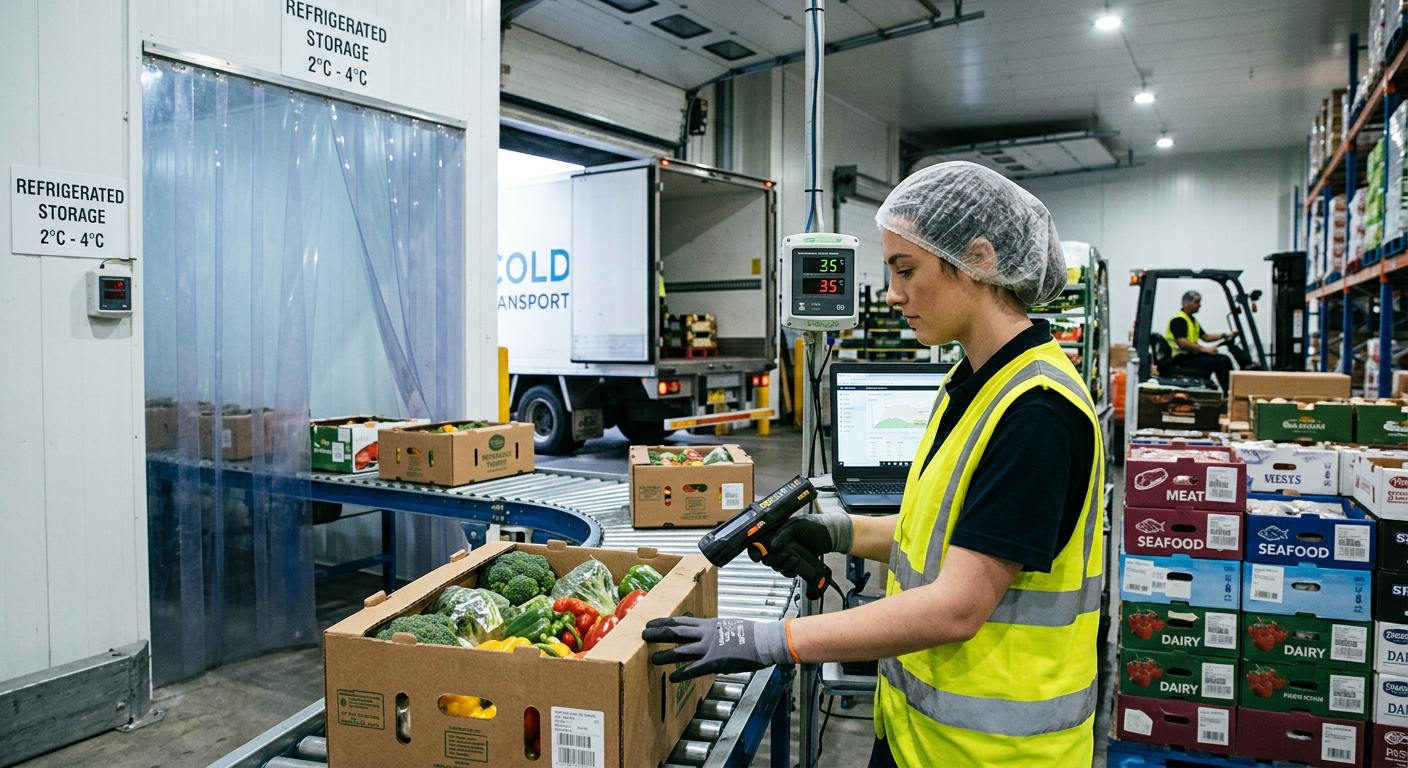
Food logistics is one of the most demanding branches of the modern supply chain. Unlike many other products, food is often perishable, temperature-sensitive, fragile, seasonal, and subject to strict safety requirements. A delay that might be inconvenient for an ordinary shipment can become a serious commercial or food-safety problem when the cargo consists of fresh produce, dairy products, meat, seafood, or prepared meals. The complexity becomes even greater as consumer expectations change. Restaurants want reliable deliveries. Supermarkets need consistent inventory. Food manufacturers require dependable raw materials. Consumers expect freshness, traceability, and increasingly rapid fulfillment. This is where effective food service logistics becomes essential. Food logistics is not simply about moving…
-
Why logistics are complex (and what you can do to remedy it)
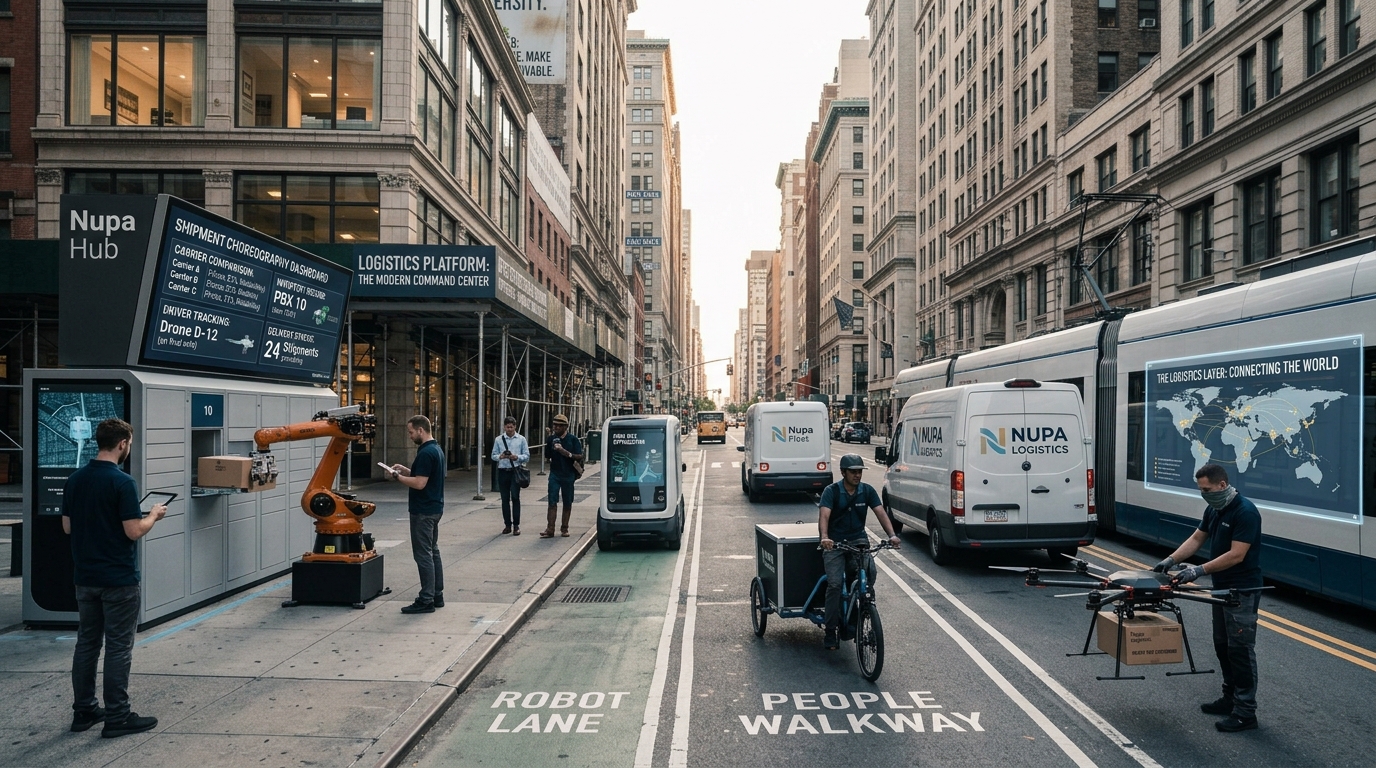
Why Logistics Are Complex (and What You Can Do to Remedy It) Logistics looks deceptively simple from the outside. A product needs to move from one place to another. Someone arranges transportation, someone prepares the shipment, and eventually the goods arrive at their destination. Simple, right? Not quite. Behind every successful delivery is an intricate choreography involving suppliers, warehouses, carriers, customs authorities, inventory systems, customers, employees, technology, weather conditions, fuel prices, regulations, and countless other variables. When everything works, the process appears almost invisible. When something goes wrong, the complexity suddenly becomes impossible to ignore. For businesses operating across multiple regions, logistics can become a labyrinthine undertaking where a minor…

Let's Live Life Better