-
The Challenges of Environmental Logistics
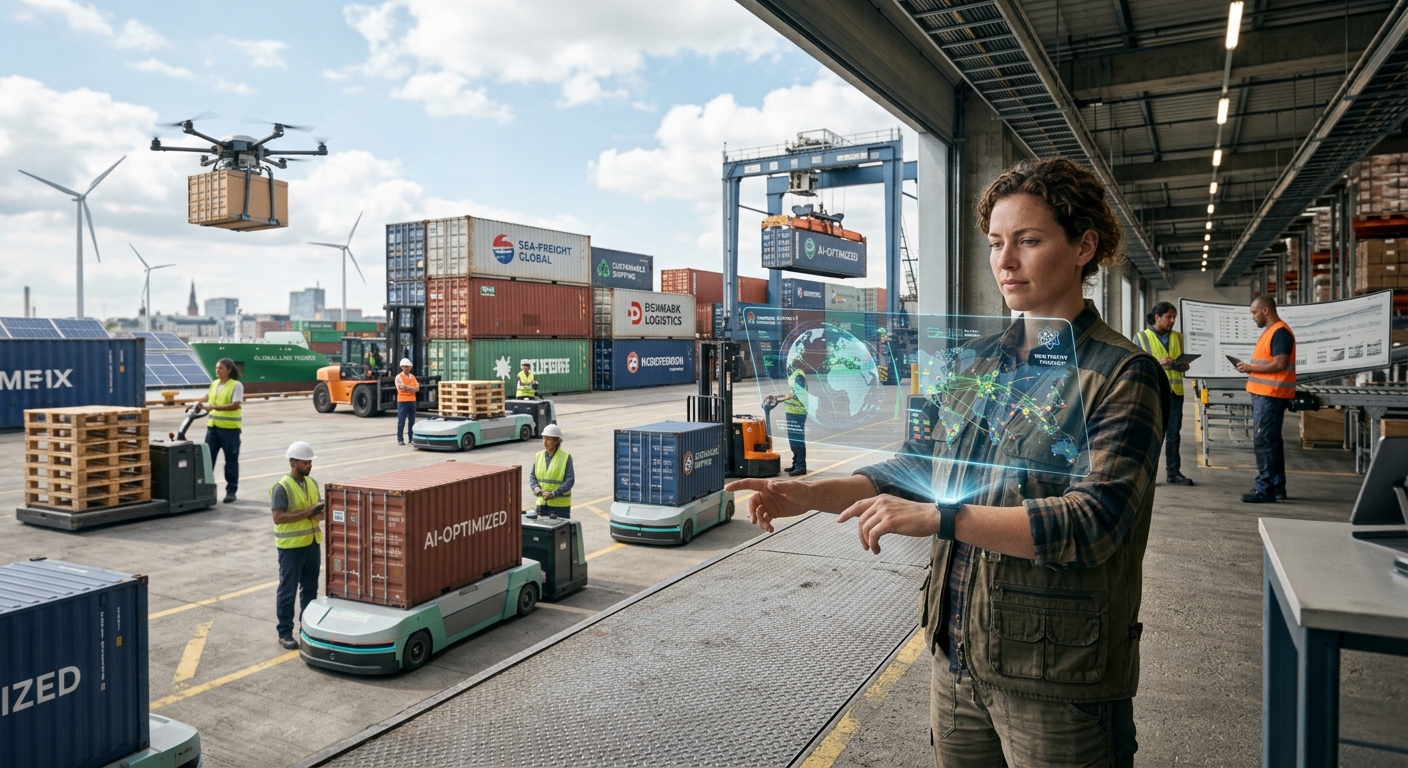
Environmental logistics has moved from being a niche concern to a central issue in modern supply-chain management. Companies are under increasing pressure to deliver products efficiently while reducing emissions, minimizing waste, using resources responsibly, and responding to increasingly demanding environmental expectations. The contradiction is obvious. Logistics exists to move things. Moving things consumes resources. Products must be transported, stored, packaged, handled, returned, repaired, recycled, or eventually discarded. Every stage creates an environmental footprint, which means that making logistics genuinely sustainable requires much more than replacing conventional vehicles with electric alternatives. Environmental logistics is a systemic challenge. It involves transportation, warehousing, packaging, inventory management, procurement, product design, customer behavior, reverse flows,…
-
The Perfect Shipment: What It Takes to Deliver an Order Without Errors
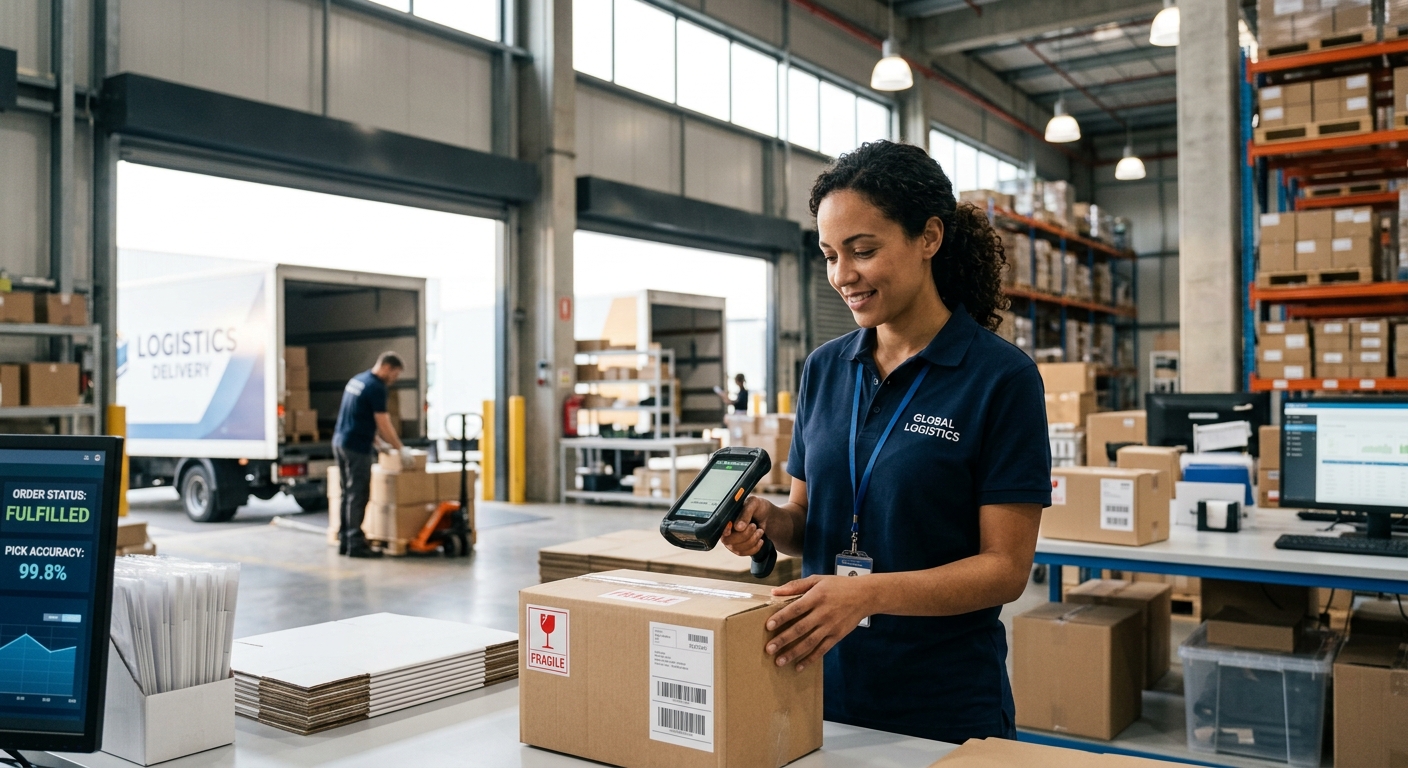
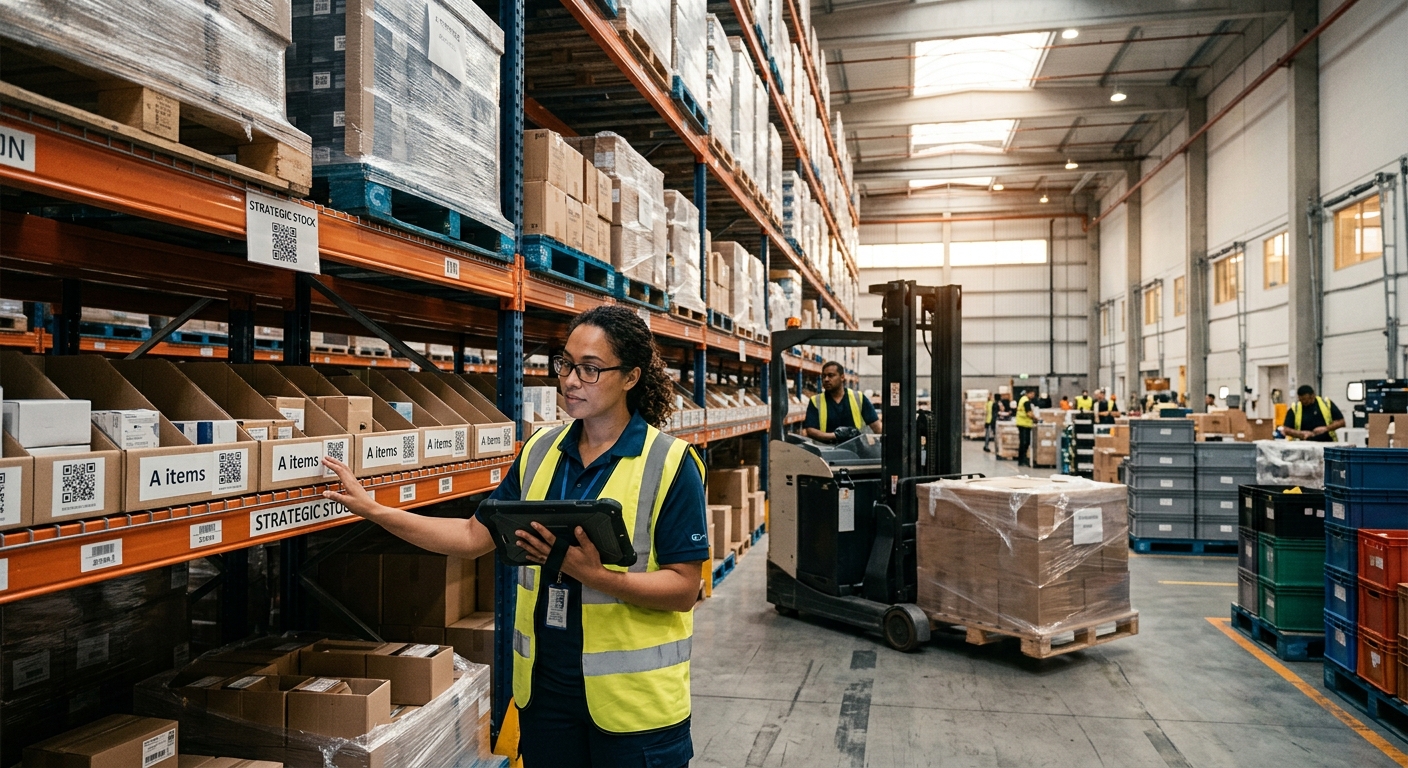
In logistics, perfection is rarely accidental. A shipment that arrives at the right destination, at the agreed time, in the correct quantity, without damage, documentation errors, or unexpected costs represents the culmination of numerous interconnected decisions. Procurement, inventory management, warehousing, transportation, technology, customer service, and communication all have to function in concert. The customer may see only a delivery. Behind it lies an intricate choreography. A misplaced item can delay an entire order. An incorrect address can send a vehicle hundreds of kilometers in the wrong direction. Poor packaging can transform an otherwise successful delivery into a costly claims process. Even a shipment that arrives on time can be considered…
-
Logistics and Transport: Differences and Similarities
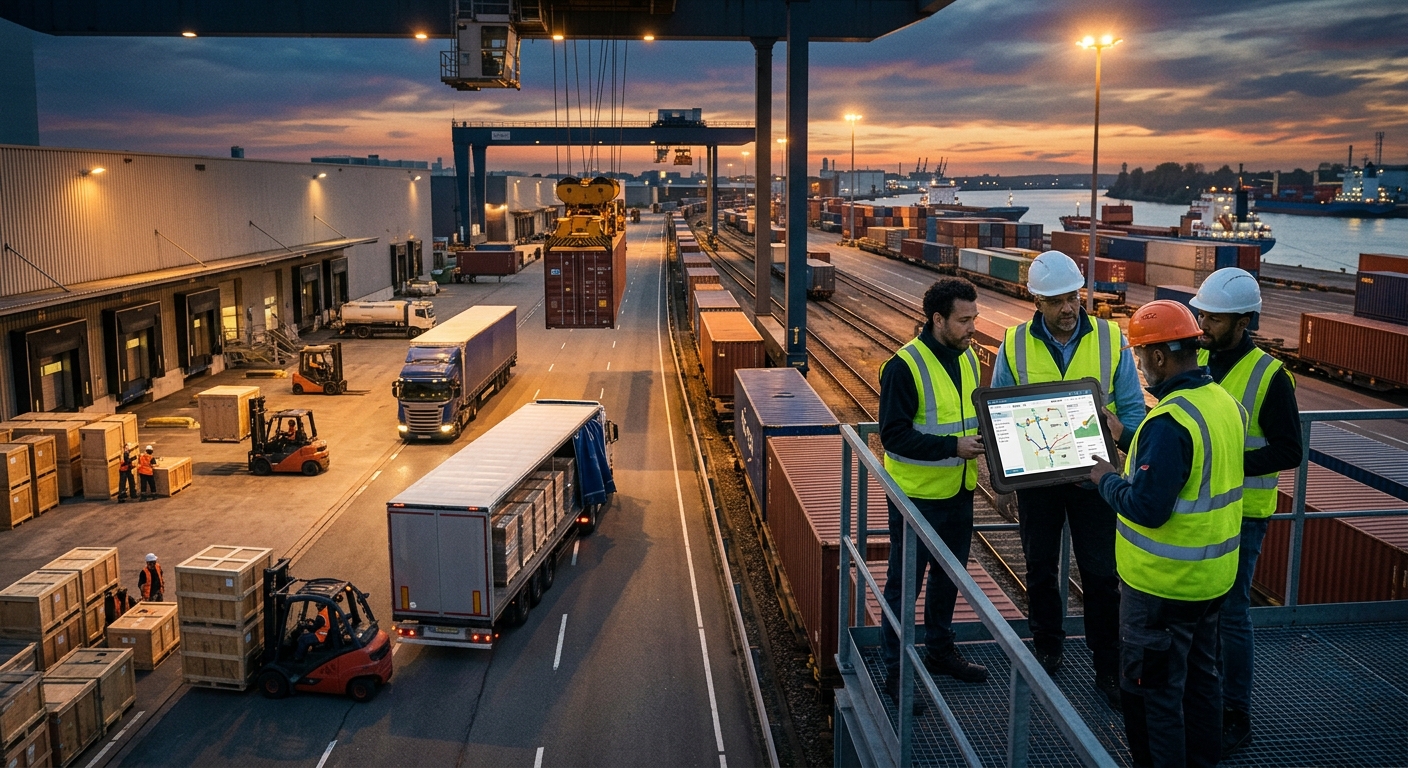
Logistics and transport are often mentioned in the same breath. That makes sense: both are concerned with moving goods and ensuring that products reach the places where they are needed. Yet the two concepts are not interchangeable. Transport is a fundamental component of logistics, but logistics encompasses a much broader range of activities. Understanding this distinction is useful for businesses of every size because the way goods are moved, stored, tracked, and distributed can directly affect costs, customer satisfaction, operational resilience, and growth. So, what is logistics and transportation? In simple terms, transportation focuses primarily on the movement of goods or people from one location to another. Logistics coordinates that…
-
How New Trends Will Mark the Future of the Supply Chain
Supply chains are entering an era of profound transformation. For decades, supply chain management was largely associated with procurement, transportation, warehousing, inventory, and cost control. Those functions remain essential, but the operating environment has changed dramatically. Customers expect faster fulfillment. Markets fluctuate rapidly. Geopolitical uncertainty can disrupt established sourcing patterns. Climate-related events can affect infrastructure and production. At the same time, artificial intelligence, automation, connected devices, and advanced analytics are changing how businesses make decisions. The future supply chain will therefore be defined not simply by moving products more efficiently, but by anticipating change before it becomes disruption. This is where innovation supply chain management becomes strategically important. Innovation is…
-
Transport Services: Constant Evolution
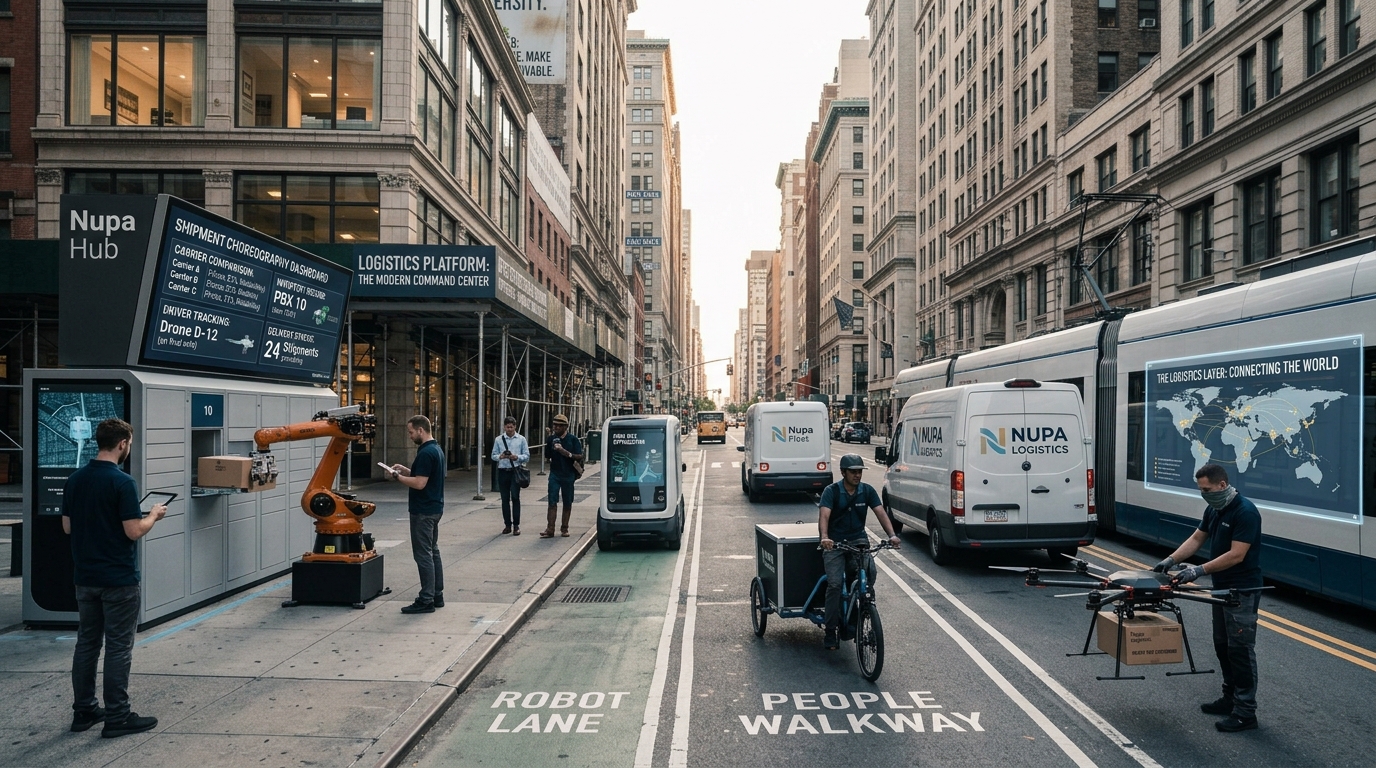
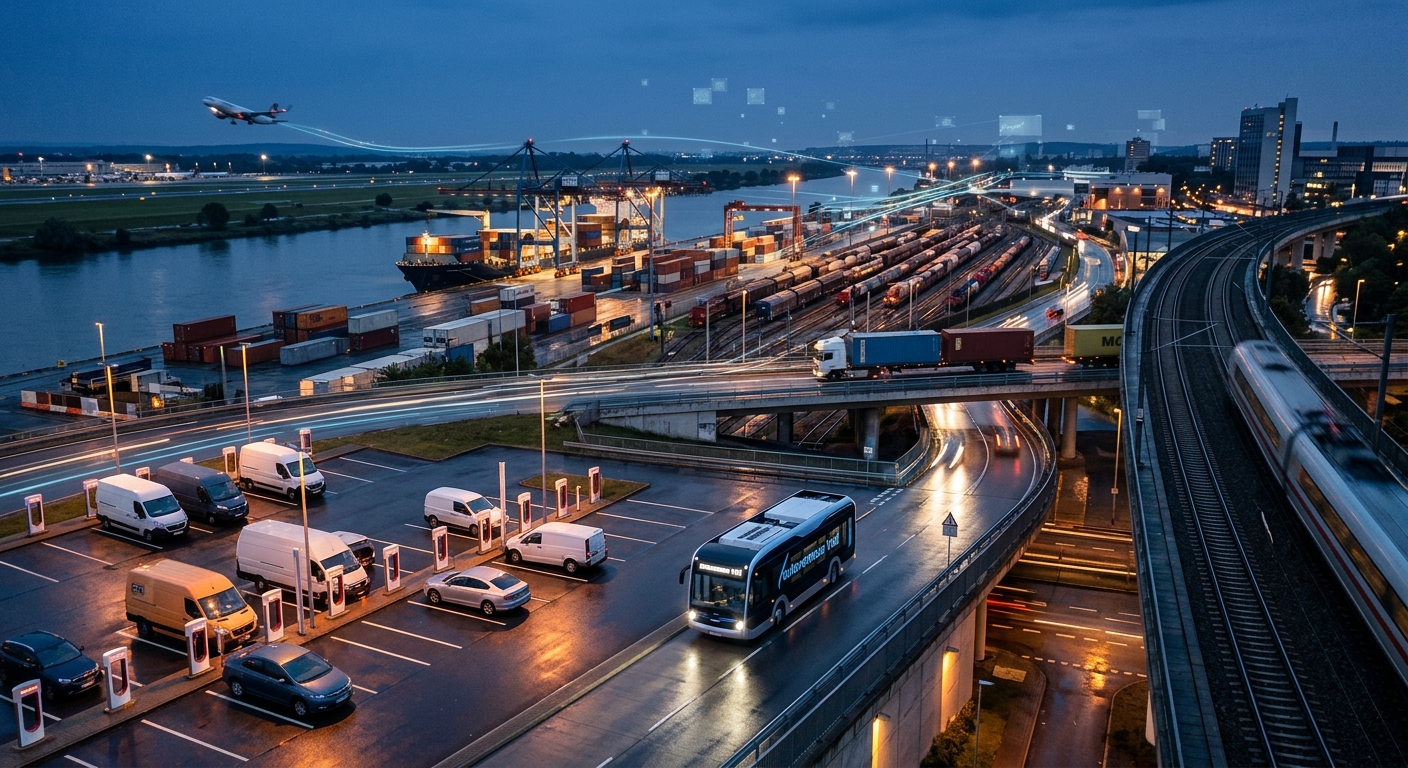
Transport services are among the most consequential systems in modern society. They connect people, businesses, industries, cities, and countries, allowing goods and passengers to move across increasingly complex networks. Yet transportation has never been static. From animal-drawn carts and sailing vessels to railways, automobiles, aircraft, electric vehicles, and autonomous systems, every technological era has reshaped how movement occurs. Changes in infrastructure, economics, urbanization, consumer expectations, environmental policy, and digital technology have continuously altered the transportation landscape. This process can be described as transport evolution. It is not simply a history of faster vehicles. It is the transformation of an entire ecosystem involving infrastructure, logistics, energy, information, regulation, and human behavior.…
-
The Seven Deadly Sins of a Logistician
Logistics is often described as the art of getting the right product to the right place at the right time and in the right condition. The definition sounds tidy. The reality is anything but. Behind every successful delivery sits a dense latticework of schedules, suppliers, warehouses, vehicles, vessels, customs procedures, inventory records, forecasts, personnel, and contingency plans. One weak link can disturb the entire chain. A delayed shipment can become a production stoppage. A forecasting error can create mountains of excess inventory. A poorly documented consignment can languish in customs. A minor communication failure can propagate through an operation like a crack traveling across glass. Logisticians therefore need more than…
-
Logistics as a Competitive Advantage
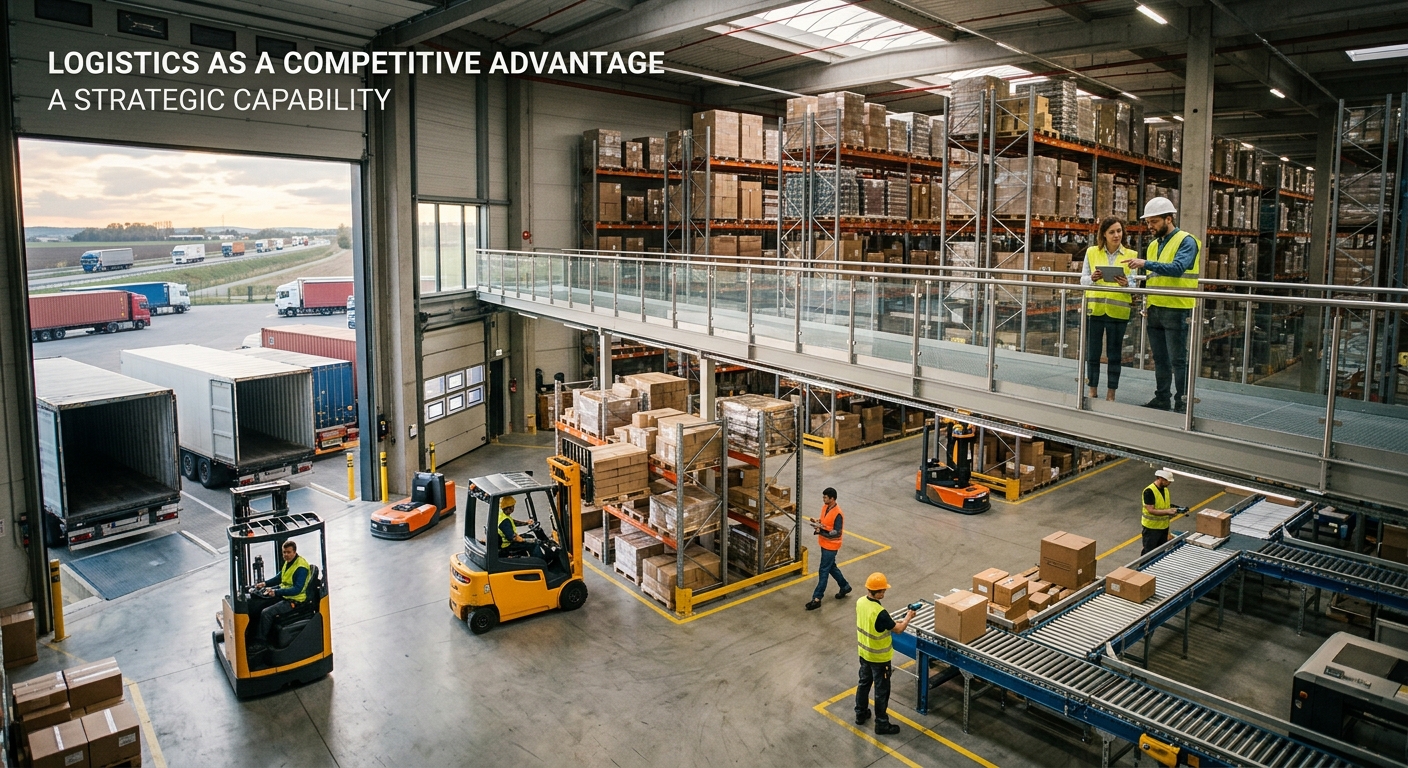
In a competitive market, companies often focus on the obvious sources of differentiation: product quality, pricing, branding, technology, or customer service. Yet there is another factor quietly influencing all of them—the ability to move products, materials, information, and resources efficiently. That factor is logistics. A company can develop an excellent product, market it brilliantly, and generate strong demand. But if the product arrives late, costs too much to deliver, repeatedly goes out of stock, or cannot be returned conveniently, the customer experience deteriorates rapidly. This is why logistics should not be regarded merely as an operational necessity. When designed strategically, it can become a genuine competitive advantage. Understanding what is…
-
Inventory Market: Push and Pull Systems Explained
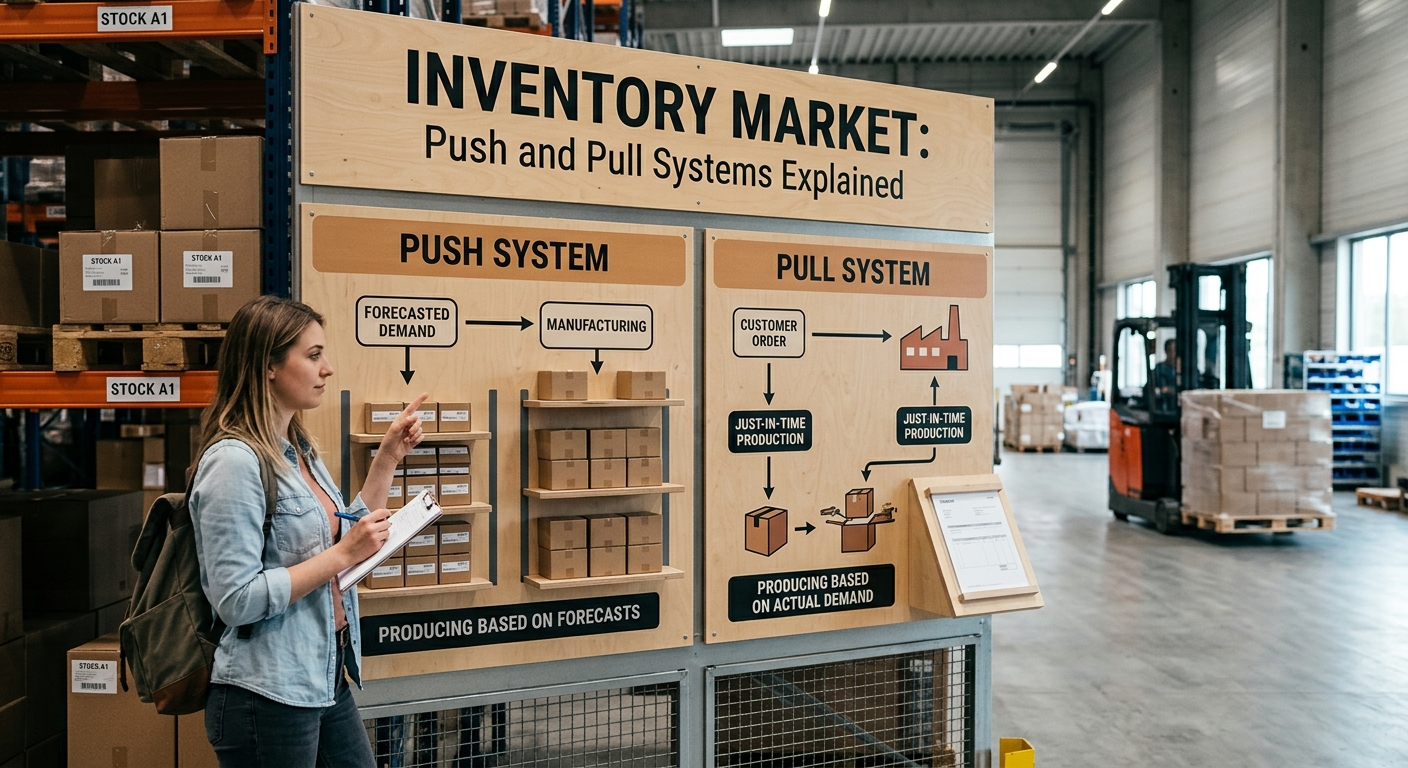
Inventory is one of the most visible components of a supply chain, yet managing it effectively is far more intricate than simply counting products on shelves. Every unit represents capital, storage capacity, labor, and a prediction about future demand. When businesses decide how much inventory to purchase, produce, or replenish, they generally rely on one of two broad philosophies: producing or moving goods based on anticipated demand, or responding to actual demand as it occurs. This distinction is commonly expressed through the push or pull system debate. A push system attempts to anticipate what customers will need. A pull system responds to what customers actually need. Neither approach is universally…
-
What Is RFID Technology? A Complete Guide to RFID
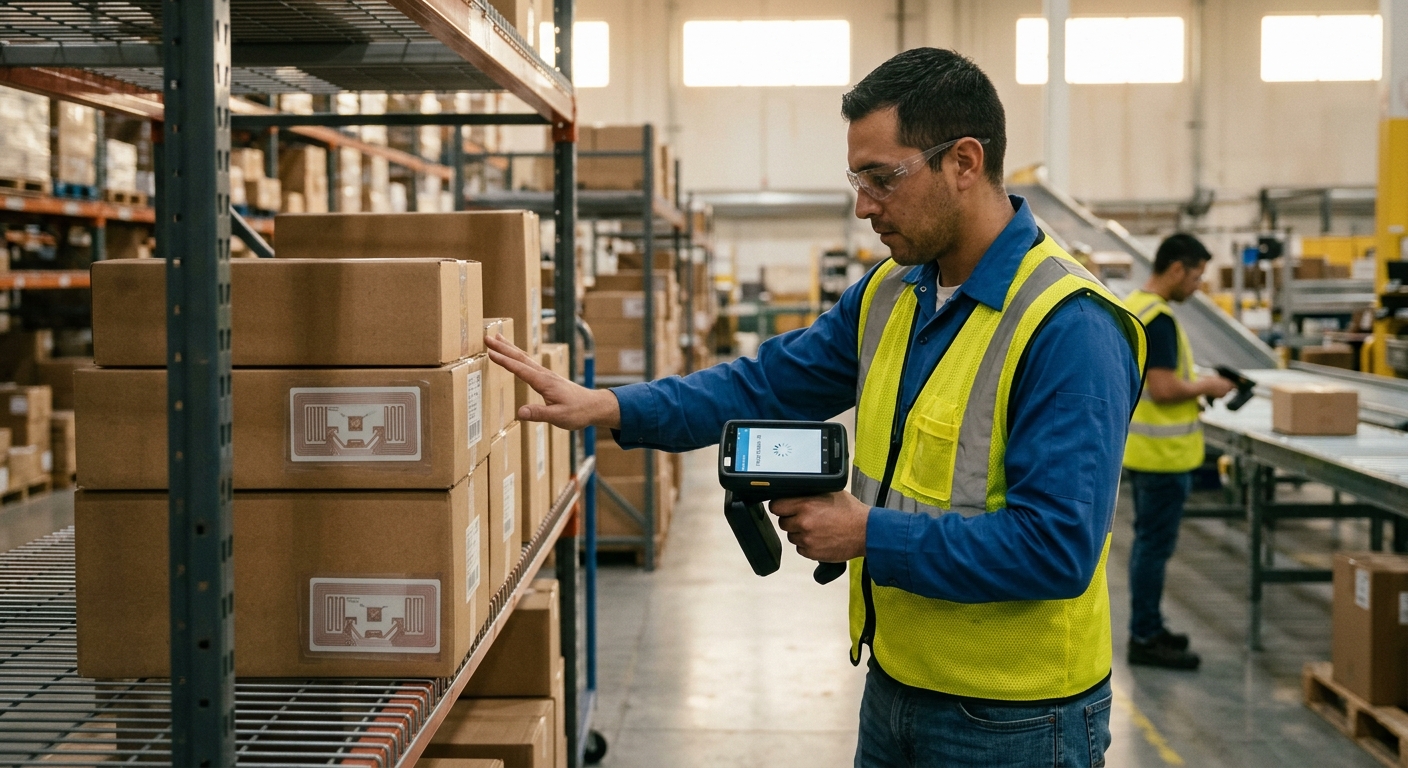
RFID technology is one of those technologies that often operates quietly in the background. A product moves through a warehouse. A package passes through a distribution center. An employee enters a restricted area. A retailer counts inventory. Somewhere in the process, a small electronic tag communicates with a reader, transferring information without requiring someone to scan a barcode manually. The interaction may take only a fraction of a second. Yet that tiny exchange can transform how organizations identify, track, and manage physical objects. RFID has become an important technology across retail, logistics, manufacturing, healthcare, transportation, agriculture, asset management, and many other industries. Its appeal lies partly in its ability to…
-
Logistical Agility, Life Insurance Against the Unexpected
Modern supply chains operate in an environment where certainty is increasingly elusive. Demand can change abruptly. Ports can become congested. Suppliers can experience production failures. Extreme weather can interrupt transportation networks, while geopolitical tensions can redraw established trade routes almost overnight. For businesses that depend on the continuous movement of goods, these events are more than temporary inconveniences. They can affect production, revenue, customer relationships, inventory levels, and reputation. This is where logistical agility becomes invaluable. Agility is the capacity to adapt rapidly when circumstances change without allowing the entire operation to become destabilized. It is not simply about moving faster. It is about having enough visibility, flexibility, redundancy, and…

Let's Live Life Better