-
Logistics and Transport: Differences and Similarities
Logistics and transport are often mentioned in the same breath. That makes sense: both are concerned with moving goods and ensuring that products reach the places where they are needed. Yet the two concepts are not interchangeable. Transport is a fundamental component of logistics, but logistics encompasses a much broader range of activities. Understanding this distinction is useful for businesses of every size because the way goods are moved, stored, tracked, and distributed can directly affect costs, customer satisfaction, operational resilience, and growth. So, what is logistics and transportation? In simple terms, transportation focuses primarily on the movement of goods or people from one location to another. Logistics coordinates that…
-
The Seven Deadly Sins of a Logistician
Logistics is often described as the art of getting the right product to the right place at the right time and in the right condition. The definition sounds tidy. The reality is anything but. Behind every successful delivery sits a dense latticework of schedules, suppliers, warehouses, vehicles, vessels, customs procedures, inventory records, forecasts, personnel, and contingency plans. One weak link can disturb the entire chain. A delayed shipment can become a production stoppage. A forecasting error can create mountains of excess inventory. A poorly documented consignment can languish in customs. A minor communication failure can propagate through an operation like a crack traveling across glass. Logisticians therefore need more than…
-
Logistics as a Competitive Advantage
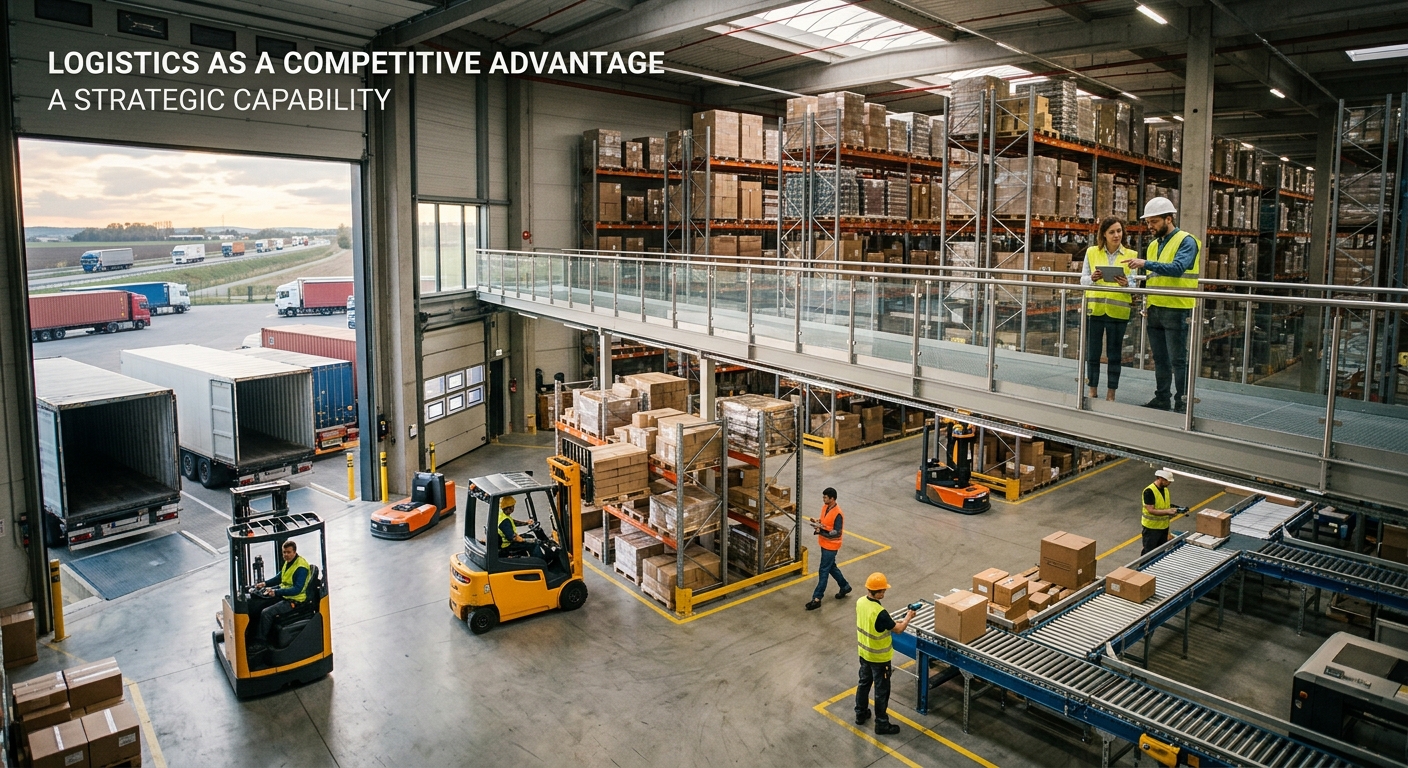
In a competitive market, companies often focus on the obvious sources of differentiation: product quality, pricing, branding, technology, or customer service. Yet there is another factor quietly influencing all of them—the ability to move products, materials, information, and resources efficiently. That factor is logistics. A company can develop an excellent product, market it brilliantly, and generate strong demand. But if the product arrives late, costs too much to deliver, repeatedly goes out of stock, or cannot be returned conveniently, the customer experience deteriorates rapidly. This is why logistics should not be regarded merely as an operational necessity. When designed strategically, it can become a genuine competitive advantage. Understanding what is…
-
Logistical Agility, Life Insurance Against the Unexpected
Modern supply chains operate in an environment where certainty is increasingly elusive. Demand can change abruptly. Ports can become congested. Suppliers can experience production failures. Extreme weather can interrupt transportation networks, while geopolitical tensions can redraw established trade routes almost overnight. For businesses that depend on the continuous movement of goods, these events are more than temporary inconveniences. They can affect production, revenue, customer relationships, inventory levels, and reputation. This is where logistical agility becomes invaluable. Agility is the capacity to adapt rapidly when circumstances change without allowing the entire operation to become destabilized. It is not simply about moving faster. It is about having enough visibility, flexibility, redundancy, and…
-
What Is Thinking Logistically?
At first glance, logistics seems like a world of trucks, warehouses, delivery schedules, inventory counts, and shipping routes. But logistics is really about something much broader: how things move through a system. That “something” might be physical products, information, people, money, resources, or even decisions. Whenever something needs to travel from point A to point B under certain constraints, logistical thinking becomes useful. Thinking logistically means looking beyond an individual task and considering the entire chain of events surrounding it. What needs to happen first? What depends on what? Where could a bottleneck appear? What resources are available? What happens if something goes wrong? It is a practical way of…
-
Why logistics are complex (and what you can do to remedy it)
Why Logistics Are Complex (and What You Can Do to Remedy It) Logistics looks deceptively simple from the outside. A product needs to move from one place to another. Someone arranges transportation, someone prepares the shipment, and eventually the goods arrive at their destination. Simple, right? Not quite. Behind every successful delivery is an intricate choreography involving suppliers, warehouses, carriers, customs authorities, inventory systems, customers, employees, technology, weather conditions, fuel prices, regulations, and countless other variables. When everything works, the process appears almost invisible. When something goes wrong, the complexity suddenly becomes impossible to ignore. For businesses operating across multiple regions, logistics can become a labyrinthine undertaking where a minor…
-
The Presence of Women in Transport Companies
The transport industry has traditionally been associated with images of trucks, warehouses, ports, trains, cargo terminals, and long-distance routes. For decades, many of these environments were perceived as predominantly male workplaces. Yet the modern transport sector is changing. Women are increasingly participating in logistics, freight management, supply-chain planning, fleet administration, transportation technology, procurement, warehousing, customer service, finance, and executive leadership. The change is significant because transport is not simply a physical industry. It is a sophisticated economic ecosystem that depends on coordination, information, technology, communication, and strategic decision-making. The growing presence of women in logistics therefore represents more than a demographic shift. It is part of the broader transformation of…
-
The Supply Chain, Sustainability and the Planet
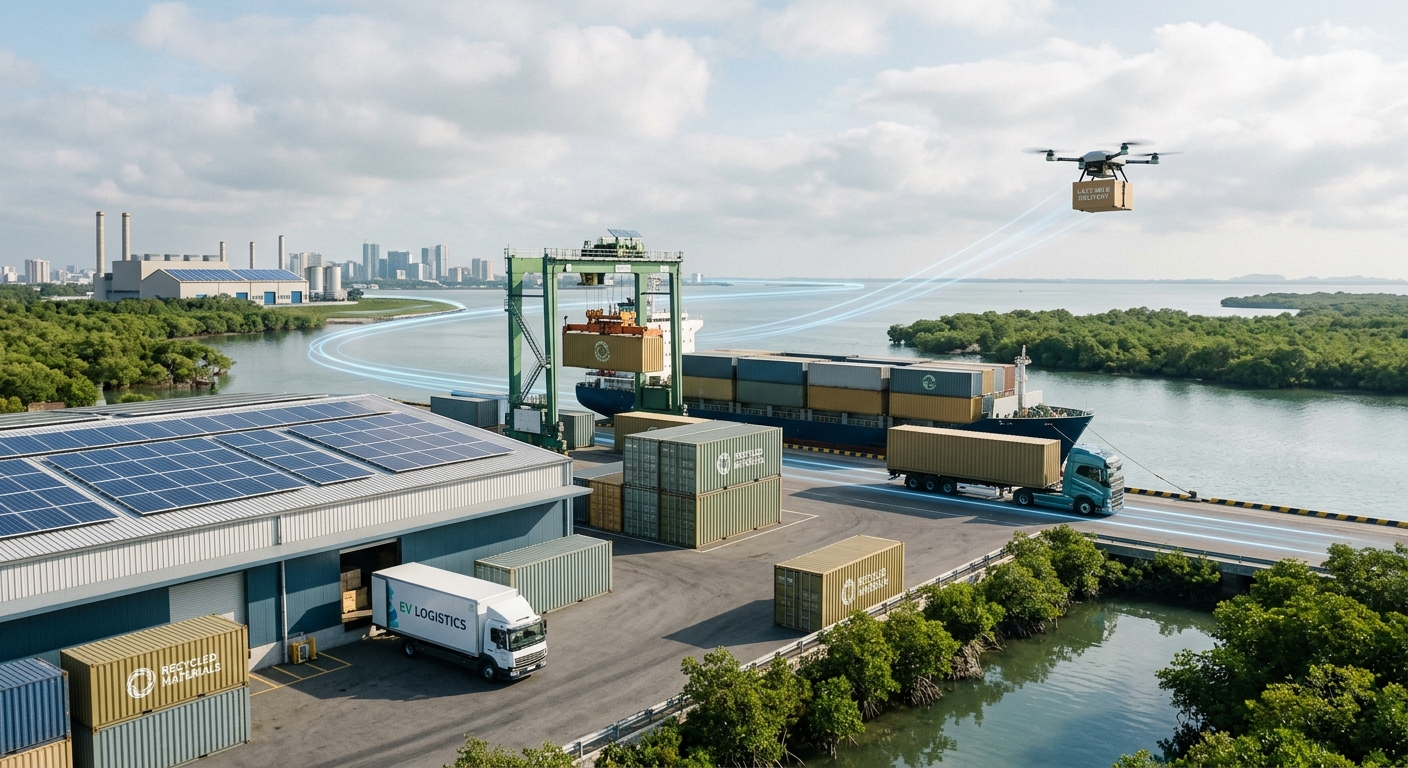
Supply chains are the hidden architecture of modern commerce. Behind almost every product sits an intricate network of suppliers, manufacturers, warehouses, transport operators, distributors, retailers, and consumers. Raw materials cross borders. Components pass through factories. Finished goods travel thousands of kilometers before reaching their final destination. This enormous machinery creates prosperity and convenience, but it also creates environmental pressure. Transportation consumes fuel. Factories consume energy and water. Warehouses require electricity. Packaging generates waste. Agriculture can contribute to deforestation, soil degradation, and biodiversity loss. Even unsold inventory can carry an environmental cost because the resources used to produce and transport it have already been expended. The relationship between supply chains and…
-
How to Deal With Complexity in the Supply Chain
Supply chains rarely become complex overnight. Complexity usually accumulates gradually as businesses expand their product portfolios, enter new markets, add suppliers, increase customer expectations, and introduce new technologies. At first, every addition appears reasonable. A new supplier offers better prices. A new product attracts customers. A new warehouse shortens delivery distances. A new sales channel creates additional revenue. Then the interactions begin. More products mean more inventory decisions. More suppliers mean more lead-time variability. More markets mean additional regulations. More warehouses mean more stock transfers. More customer promises mean more service-level requirements. Eventually, the individual pieces become interconnected to such an extent that changing one part of the system can…
-
Integral logistics: what it is and how it makes a difference
What is the difference between delivering a pallet or a package and managing a supply chain? While some companies still have a limited view of their logistics, without a true holistic approach, others are aware of how important their supply chain is to them, of all the elements it encompasses and how it can help them make a difference. These latter companies are the ones that can aspire to achieve what is known as comprehensive logistics. What is Integral Logistics Integral logistics encompasses and coordinates all the processes necessary for the flow of materials in a company. And it does so from a global vision. In other words, they know…

Let's Live Life Better