-
The Challenges of Environmental Logistics
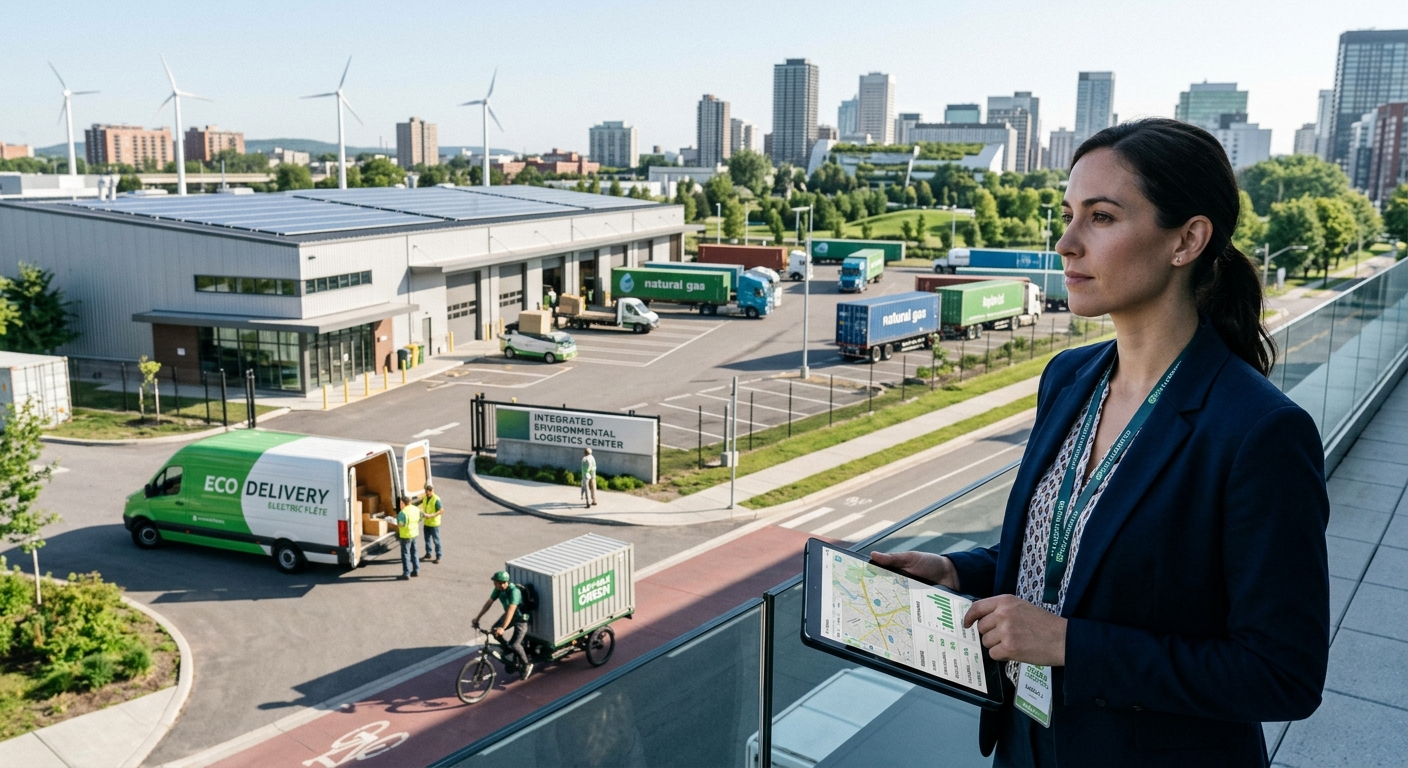
Environmental logistics has moved from being a niche concern to a central issue in modern supply-chain management. Companies are under increasing pressure to deliver products efficiently while reducing emissions, minimizing waste, using resources responsibly, and responding to increasingly demanding environmental expectations. The contradiction is obvious. Logistics exists to move things. Moving things consumes resources. Products must be transported, stored, packaged, handled, returned, repaired, recycled, or eventually discarded. Every stage creates an environmental footprint, which means that making logistics genuinely sustainable requires much more than replacing conventional vehicles with electric alternatives. Environmental logistics is a systemic challenge. It involves transportation, warehousing, packaging, inventory management, procurement, product design, customer behavior, reverse flows,…
-
Smart Cities, to the Rescue of Logistics
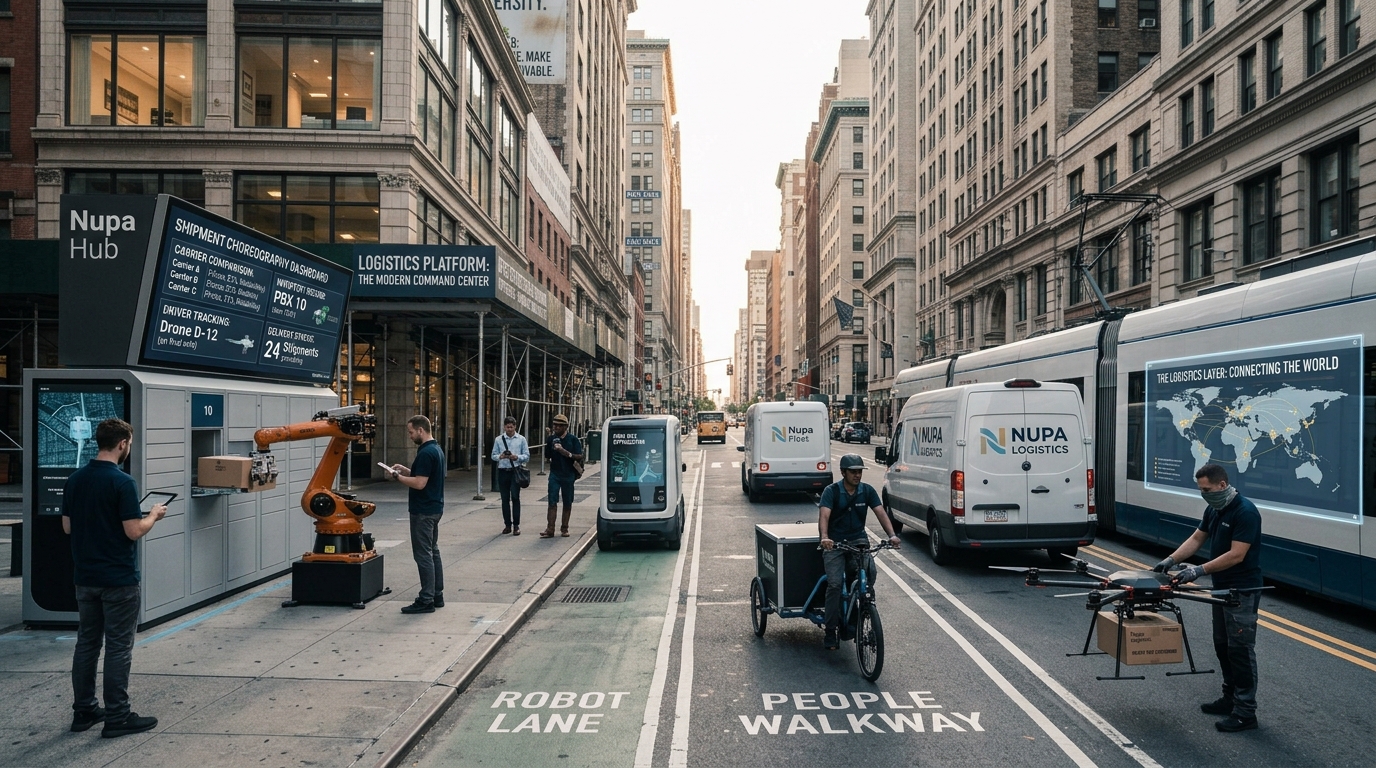
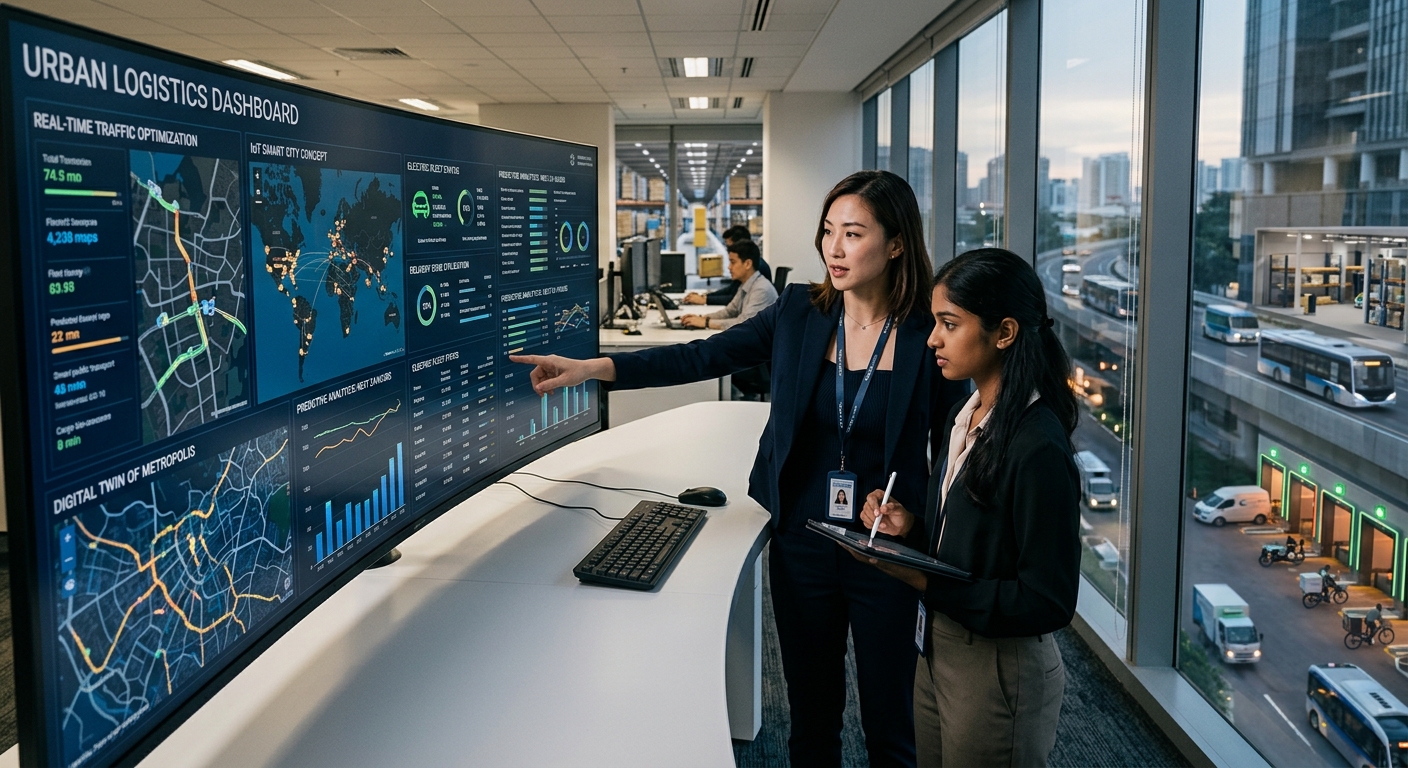
Cities are becoming denser, busier, and more interconnected. Every day, millions of people move through urban areas while an equally important but less visible movement takes place alongside them: goods traveling from warehouses to stores, restaurants, offices, factories, and homes. Urban logistics is under pressure. Traffic congestion slows delivery vehicles. Limited parking makes loading and unloading difficult. Rising customer expectations demand faster deliveries. E-commerce generates more individual shipments, while cities simultaneously seek cleaner air, quieter streets, and lower emissions. At first glance, these objectives appear contradictory. Cities need more deliveries, but fewer vehicles. Customers want faster service, but authorities want less congestion. Businesses want efficiency, while residents want quieter and…

Let's Live Life Better