-
Why you don’t trust the data in your company
Why You Don’t Trust the Data in Your Company Data is supposed to make business easier. It should help leaders make decisions with greater confidence, help teams identify problems before they become expensive, and give everyone a shared understanding of what is actually happening inside the organization. Yet in many companies, something rather peculiar happens: there is an abundance of data, but very little faith in it. Executives ask for reports and then question the numbers. Managers open dashboards but still request spreadsheets. Employees spend hours checking figures against other figures because nobody is entirely certain which version is correct. The result is a strange paradox. The company has become…
-
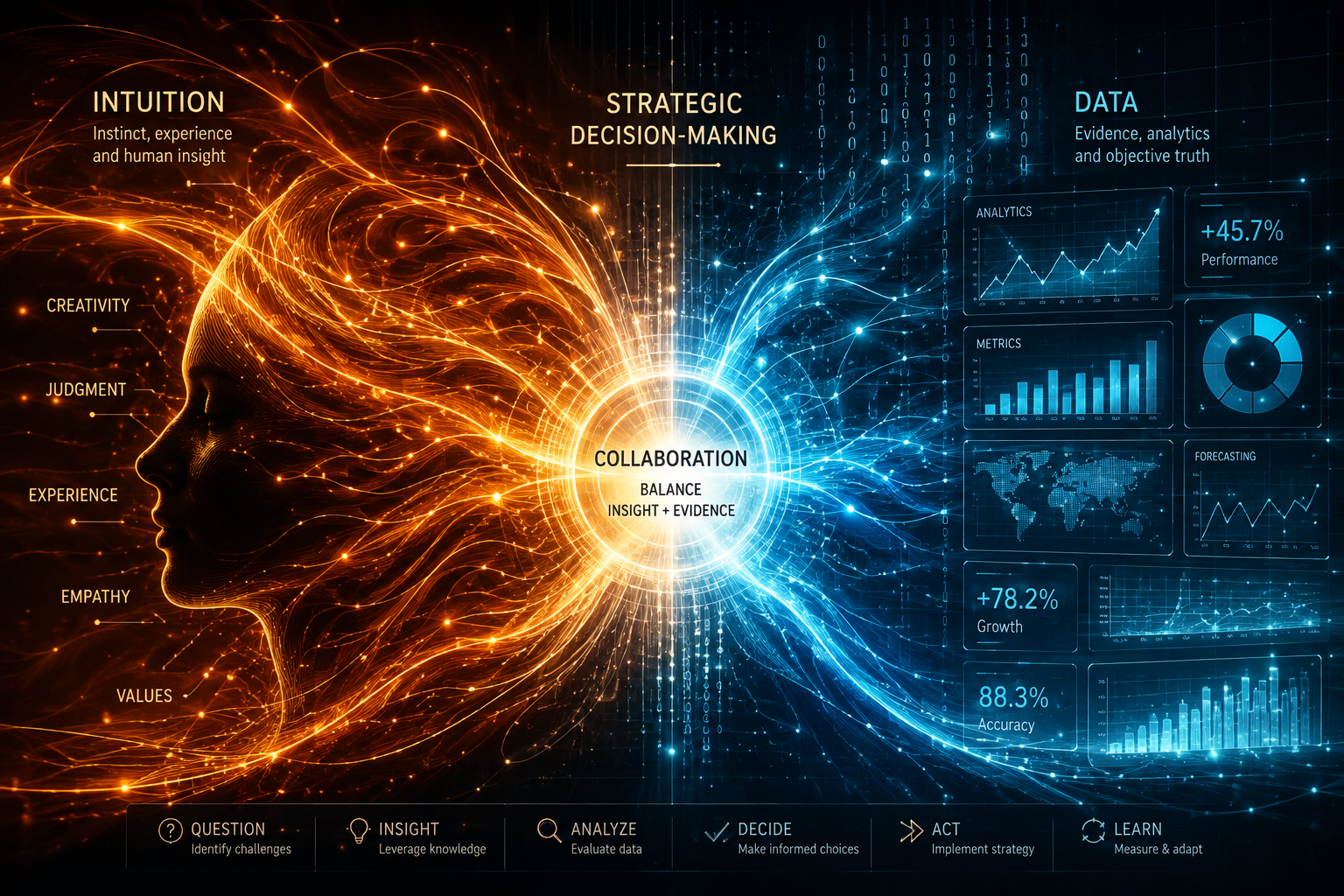
It’s War: Intuition vs. Data
It’s War: Intuition vs. Data For as long as businesses have existed, decisions have been influenced by two remarkably different forces. One is instinct. The other is evidence. On one side stands the experienced manager who can walk into a meeting, listen for five minutes, and sense that something is wrong. Perhaps the numbers look healthy, but the customer relationship feels strained. Maybe a supplier appears reliable on paper, yet subtle changes in communication suggest trouble ahead. Experience notices nuances that spreadsheets frequently overlook. On the other side stands the analyst, armed with dashboards, forecasts, historical trends, probability models, and an almost inexhaustible appetite for evidence. The analyst asks a…
-
Logistics 4.0 for Industry 4.0
What is Logistics 4.0? In a world in which the number of acronyms and new terms does not stop growing, there are few that finally remain in time due to their usefulness. If we go by its importance, Logistics 4.0 has many chances to be long-lived, since it will be essential in the latest revolution in the business world: Industry 4.0. Industry 4.0 is the name by which the fourth industrial revolution is known. The first, which began in the 18th century, arose with the application of steam to manufacturing processes. The second, in the 19th century, has electricity and chain production as protagonists; while the third, in the last…

Let's Live Life Better