Industries
-
The Seven Deadly Sins of a Logistician
Logistics is often described as the art of getting the right product to the right place at the right time and in the right condition. The definition sounds tidy. The reality is anything but. Behind every successful delivery sits a dense latticework of schedules, suppliers, warehouses, vehicles, vessels, customs procedures, inventory records, forecasts, personnel, and contingency plans. One weak link can disturb the entire chain. A delayed shipment can become a production stoppage. A forecasting error can create mountains of excess inventory. A poorly documented consignment can languish in customs. A minor communication failure can propagate through an operation like a crack traveling across glass. Logisticians therefore need more than…
-
Smart Cities, to the Rescue of Logistics
Cities are becoming denser, busier, and more interconnected. Every day, millions of people move through urban areas while an equally important but less visible movement takes place alongside them: goods traveling from warehouses to stores, restaurants, offices, factories, and homes. Urban logistics is under pressure. Traffic congestion slows delivery vehicles. Limited parking makes loading and unloading difficult. Rising customer expectations demand faster deliveries. E-commerce generates more individual shipments, while cities simultaneously seek cleaner air, quieter streets, and lower emissions. At first glance, these objectives appear contradictory. Cities need more deliveries, but fewer vehicles. Customers want faster service, but authorities want less congestion. Businesses want efficiency, while residents want quieter and…
-
The Hidden Consequences of Stockouts: Why Empty Shelves Cost More Than You Think
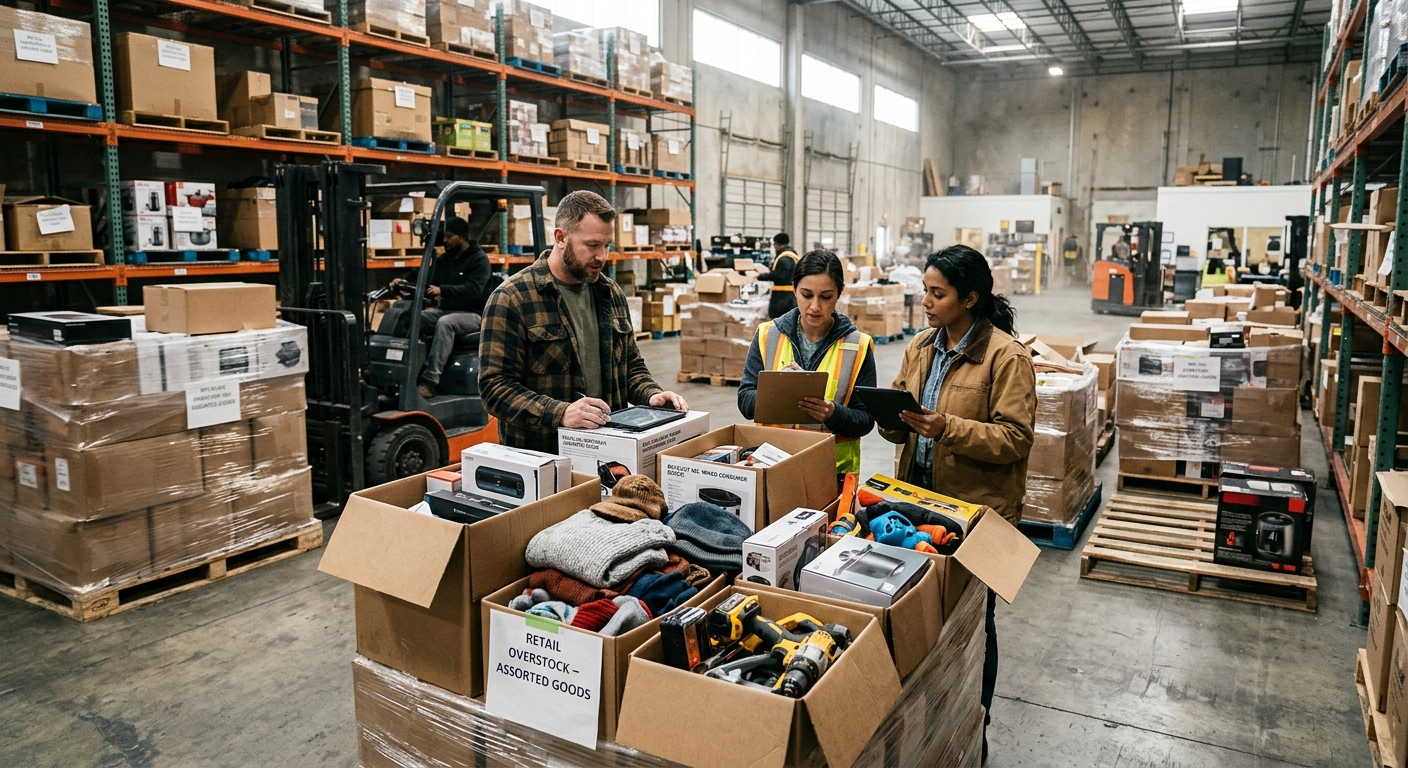
A product that is not available when a customer wants it may appear to create a simple problem: one missed sale. In reality, the consequences can be considerably more extensive. Stockouts can disrupt sales, damage customer relationships, increase operating costs, create unnecessary administrative work, distort demand data, and even affect the reputation of an entire business. The visible problem is an empty shelf or unavailable product. The invisible consequences can continue long after inventory has been replenished. For retailers, manufacturers, wholesalers, e-commerce companies, and distributors, inventory availability is therefore more than an operational concern. It is a fundamental component of commercial performance. Understanding what happens when inventory disappears is essential…
-
How to Manage the Service Levels of Your Products
In a competitive market, having a good product is only part of the equation. Customers increasingly evaluate what happens around the product: whether it is available when needed, delivered on time, supported after purchase, and accompanied by reliable information. That broader experience is where service levels become strategically important. A product can be technically excellent and still disappoint customers if it is perpetually out of stock, delivered late, difficult to return, or supported inconsistently. Conversely, a well-designed service model can transform an ordinary product into a dependable commercial proposition. Effective service level management provides a structured way to define, measure, monitor, and improve these expectations. It turns vague promises such…
-
The Ethical Pact of Companies With Their Environment
A company does not exist in isolation. It may have offices, factories, warehouses, stores, vehicles, servers, and employees, but all of these activities depend on a broader environment. Businesses rely on natural resources, public infrastructure, communities, workers, customers, and institutions. In return, their operations inevitably affect the world around them. This creates an implicit social contract. Companies receive opportunities from their environment, while their decisions can influence the quality of that same environment. The ethical question is therefore not simply whether a business is profitable, but whether it uses its resources and influence responsibly. This is where companies and social responsibility intersect. Corporate responsibility is no longer merely a philanthropic…
-
Logistics as a Competitive Advantage
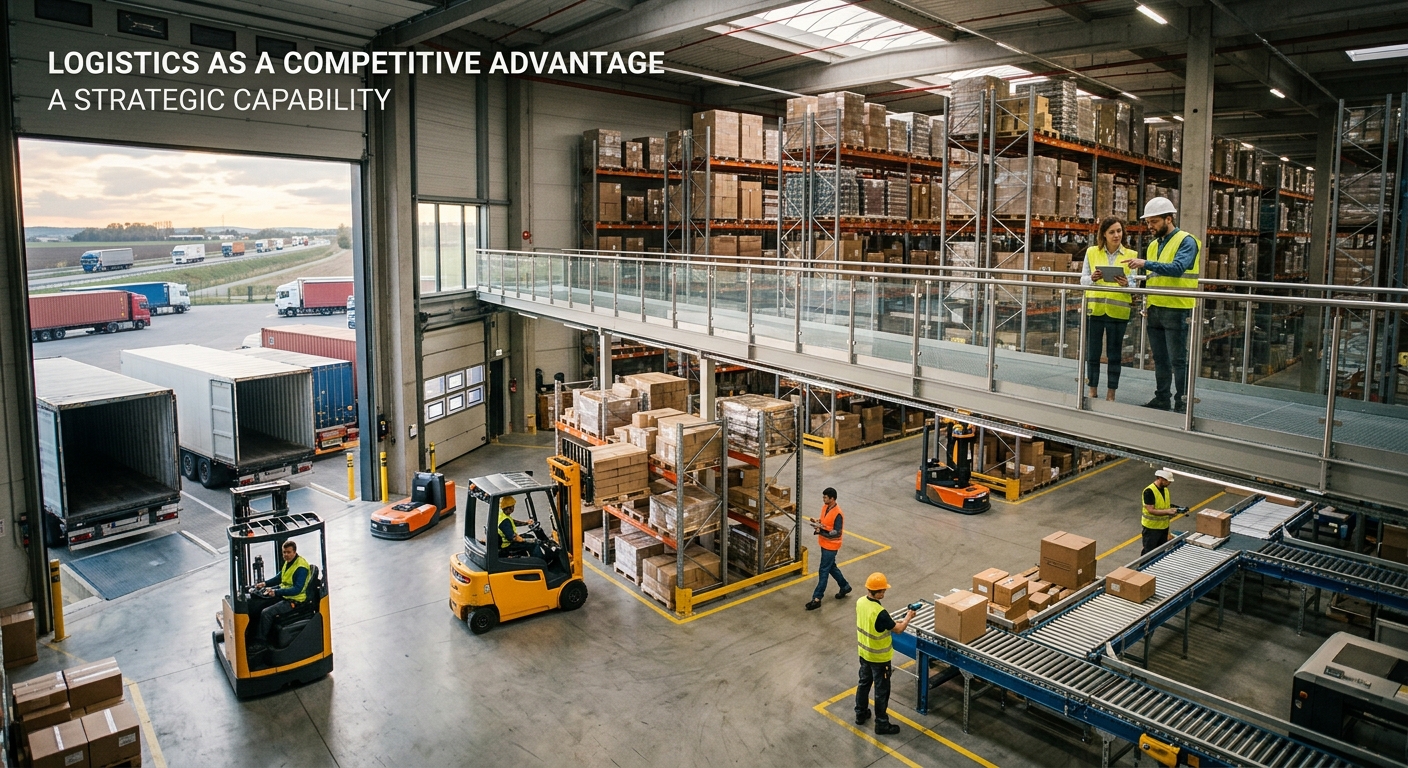
In a competitive market, companies often focus on the obvious sources of differentiation: product quality, pricing, branding, technology, or customer service. Yet there is another factor quietly influencing all of them—the ability to move products, materials, information, and resources efficiently. That factor is logistics. A company can develop an excellent product, market it brilliantly, and generate strong demand. But if the product arrives late, costs too much to deliver, repeatedly goes out of stock, or cannot be returned conveniently, the customer experience deteriorates rapidly. This is why logistics should not be regarded merely as an operational necessity. When designed strategically, it can become a genuine competitive advantage. Understanding what is…
-
Inventory Market: Push and Pull Systems Explained
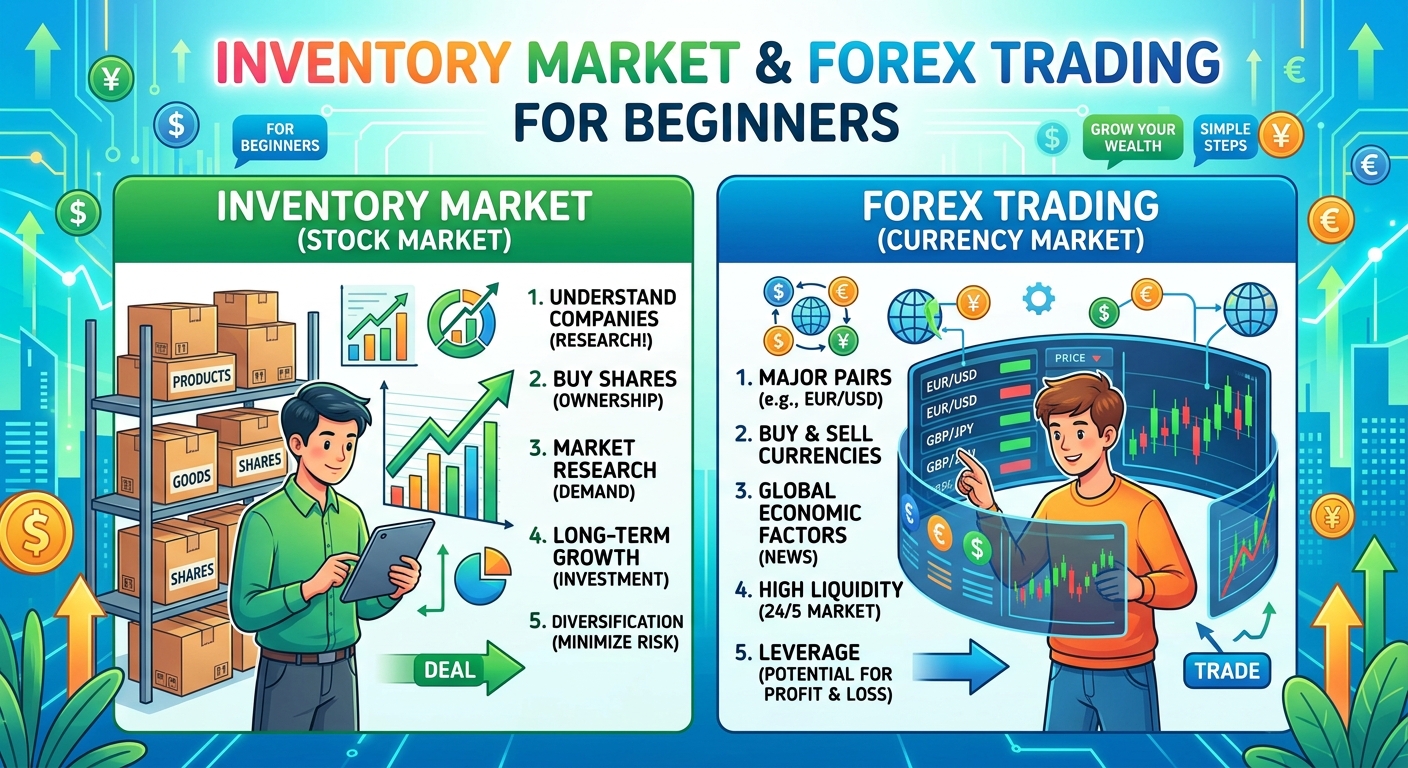
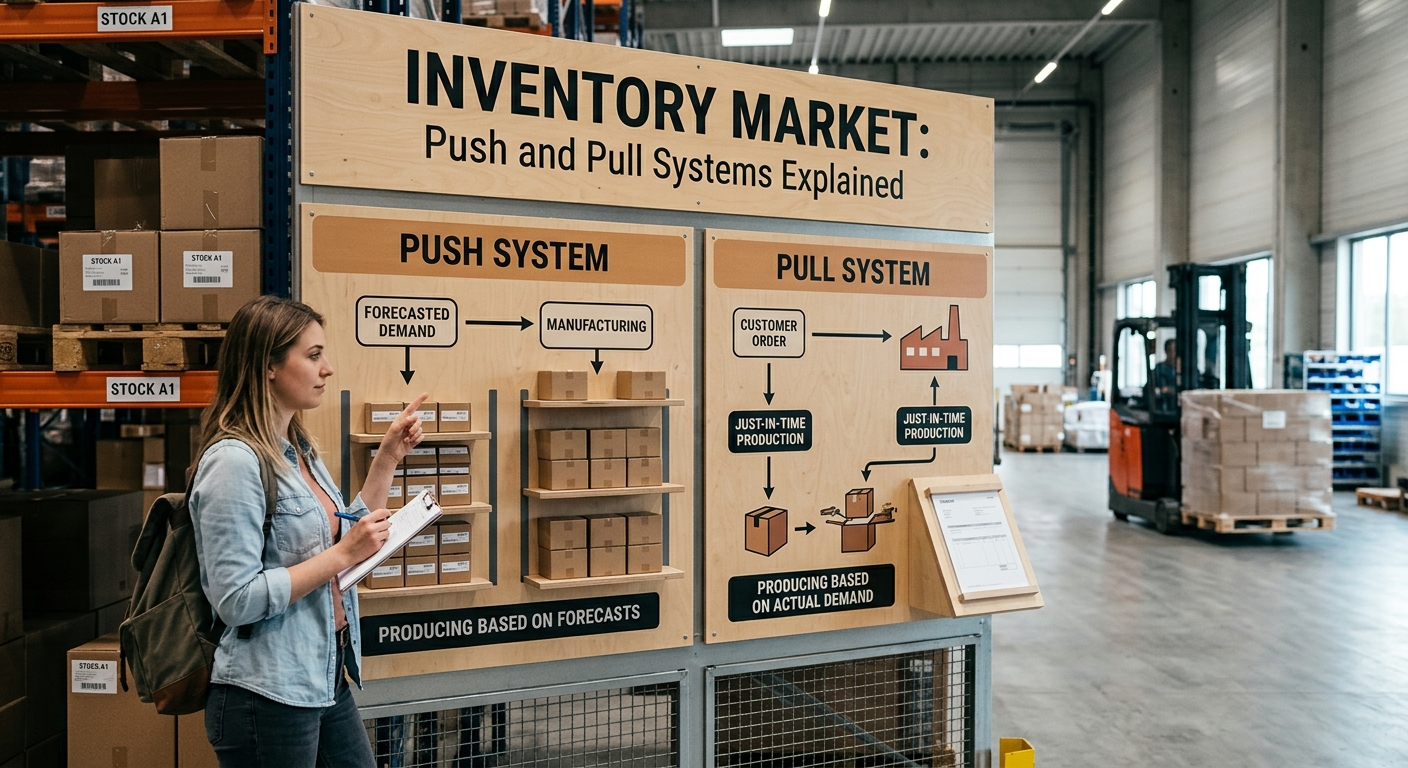
Inventory is one of the most visible components of a supply chain, yet managing it effectively is far more intricate than simply counting products on shelves. Every unit represents capital, storage capacity, labor, and a prediction about future demand. When businesses decide how much inventory to purchase, produce, or replenish, they generally rely on one of two broad philosophies: producing or moving goods based on anticipated demand, or responding to actual demand as it occurs. This distinction is commonly expressed through the push or pull system debate. A push system attempts to anticipate what customers will need. A pull system responds to what customers actually need. Neither approach is universally…
-
The Best Performance Indicators for Your Inventory Management
Inventory management is often described as a balancing act. That description is accurate, but incomplete. A company needs enough stock to satisfy customers, maintain production, and protect itself from supply disruptions. At the same time, excessive inventory ties up capital, occupies warehouse space, increases handling requirements, and creates the possibility of obsolescence. The difficulty lies in finding the point where availability and efficiency coexist. This is where measurement becomes indispensable. Without reliable indicators, inventory decisions can become driven by intuition, isolated incidents, or outdated assumptions. With the right metrics, managers can identify inefficiencies, detect emerging problems, compare performance over time, and make more informed decisions. The most useful inventory KPIs…
-
Warehouse Types: A Guide to the Different Warehouse Types
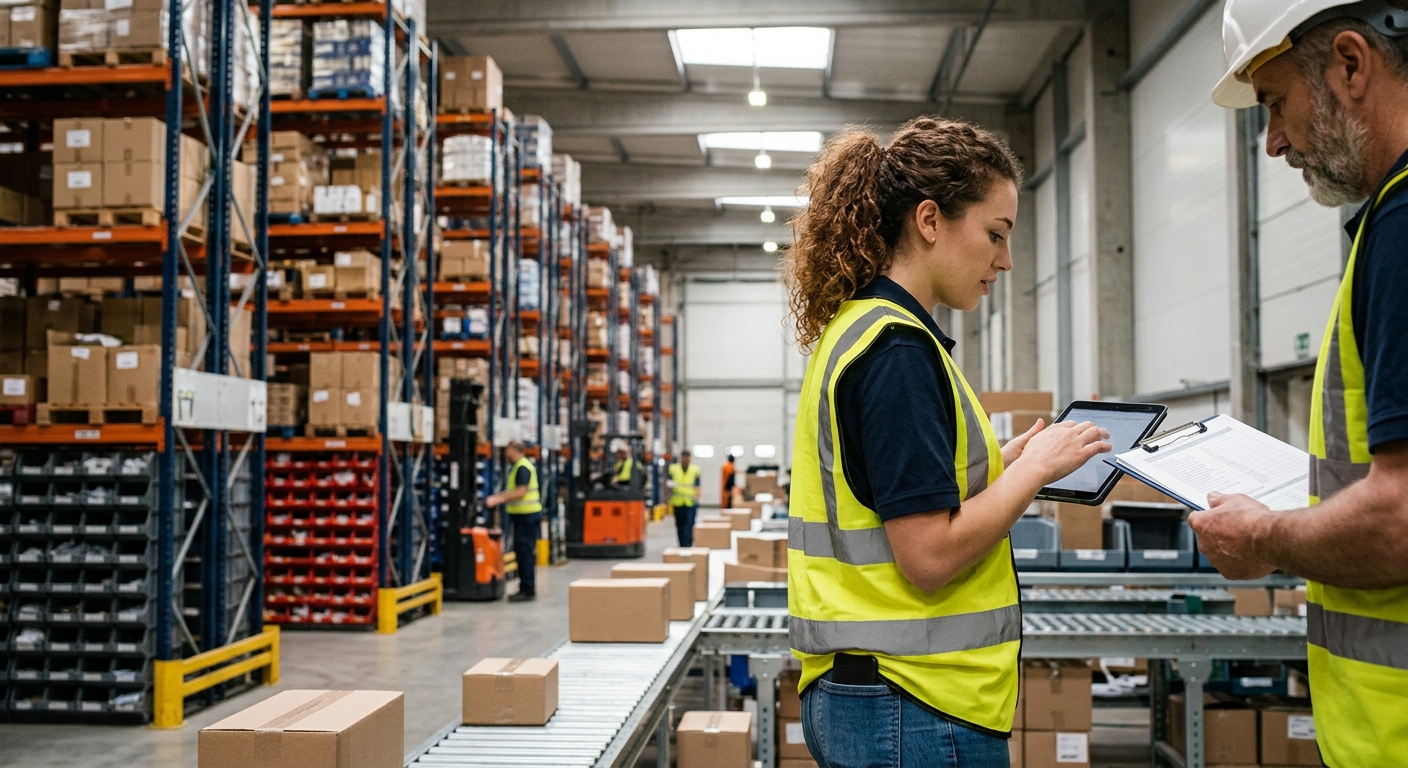
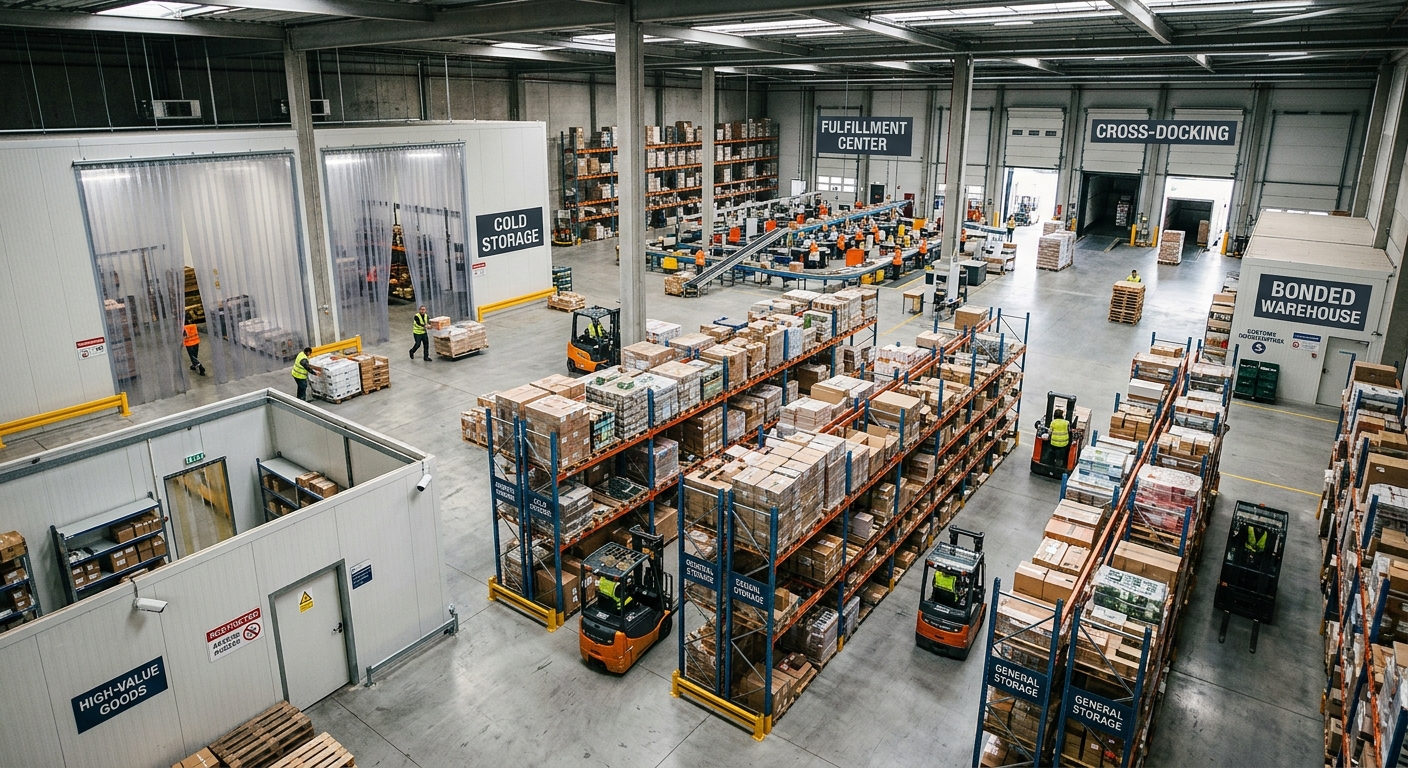
Warehousing is a fundamental component of modern supply chains. Products must be received, stored, protected, organized, and eventually moved toward their intended destinations. Although these activities may appear straightforward, the infrastructure required to perform them efficiently varies considerably according to the nature of the goods, the scale of operations, customer requirements, and regulatory obligations. For this reason, there is no universal warehouse design. A facility storing frozen food has fundamentally different requirements from one handling electronics. A distribution center serving thousands of retail outlets operates differently from a small warehouse supporting a local manufacturer. Likewise, an e-commerce fulfillment facility may prioritize rapid individual-order picking rather than long-term inventory storage. Understanding…
-
How to Design a Logistics Warehouse
Designing a logistics warehouse is far more than deciding where to put shelves and loading bays. A warehouse is a dynamic operational system in which products, people, information, vehicles, and equipment must move in a coordinated manner. When the design is poor, inefficiencies multiply. Employees walk excessive distances, forklifts cross paths unnecessarily, inventory becomes difficult to locate, receiving areas become congested, and orders take longer to process. A well-designed facility does the opposite: it creates a logical flow that makes the right product available at the right place and at the right moment. Effective warehouse organization therefore begins before the first rack is installed. The objective is to create an…