-
Land Transport and Types of Trucks
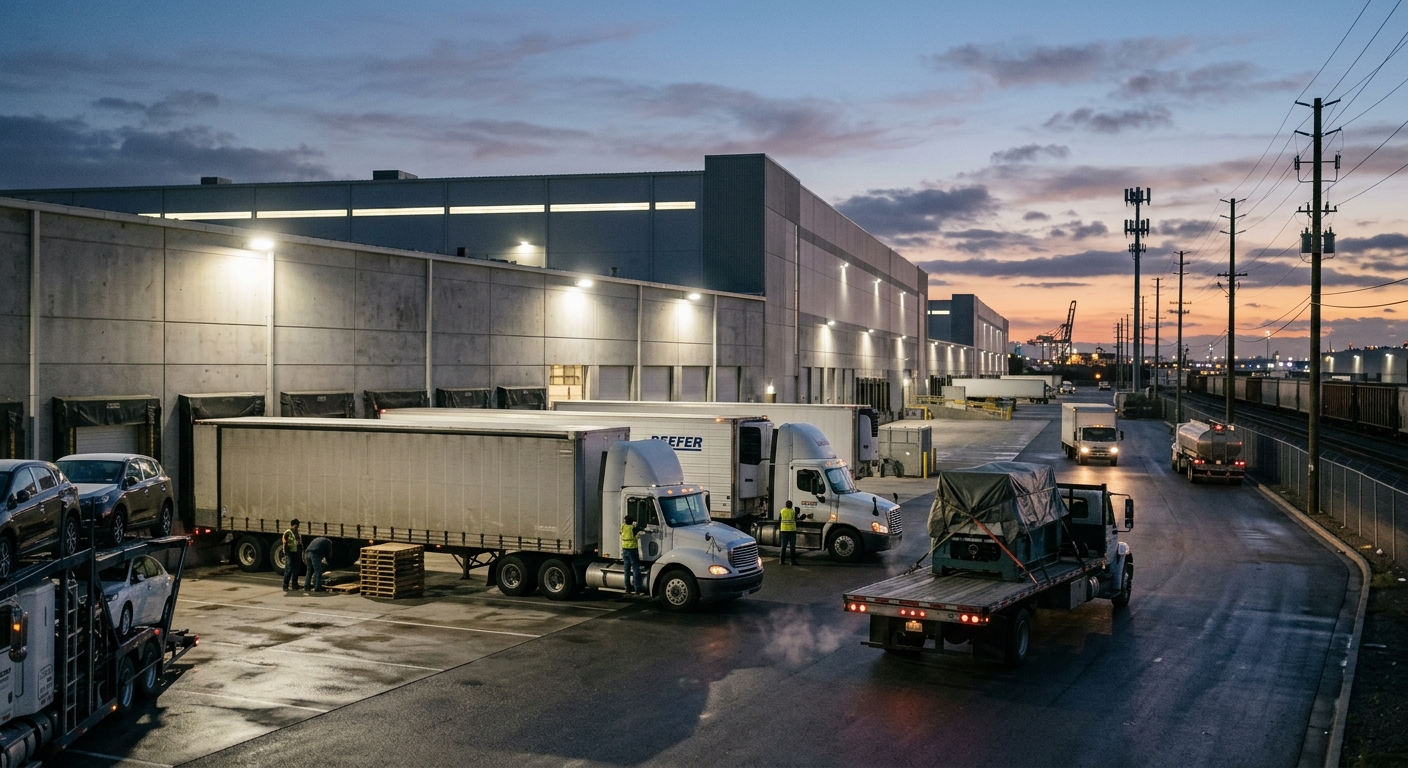
Land transport is one of the fundamental pillars of modern logistics. Every day, trucks move enormous quantities of raw materials, components, finished products, food, construction materials, machinery, and consumer goods between suppliers, warehouses, distribution centers, businesses, and customers. Despite its ubiquity, road freight is far more sophisticated than it may initially appear. A truck is not simply a vehicle with a cargo compartment. Different loads require different configurations, capacities, temperature controls, loading mechanisms, security measures, and regulatory considerations. Choosing the right vehicle can therefore have a direct impact on transportation costs, delivery times, cargo safety, and operational efficiency. Understanding the type of trucks in logistics is consequently useful for anyone…
-
The 8 Mistakes You Should Not Make in Express Transport
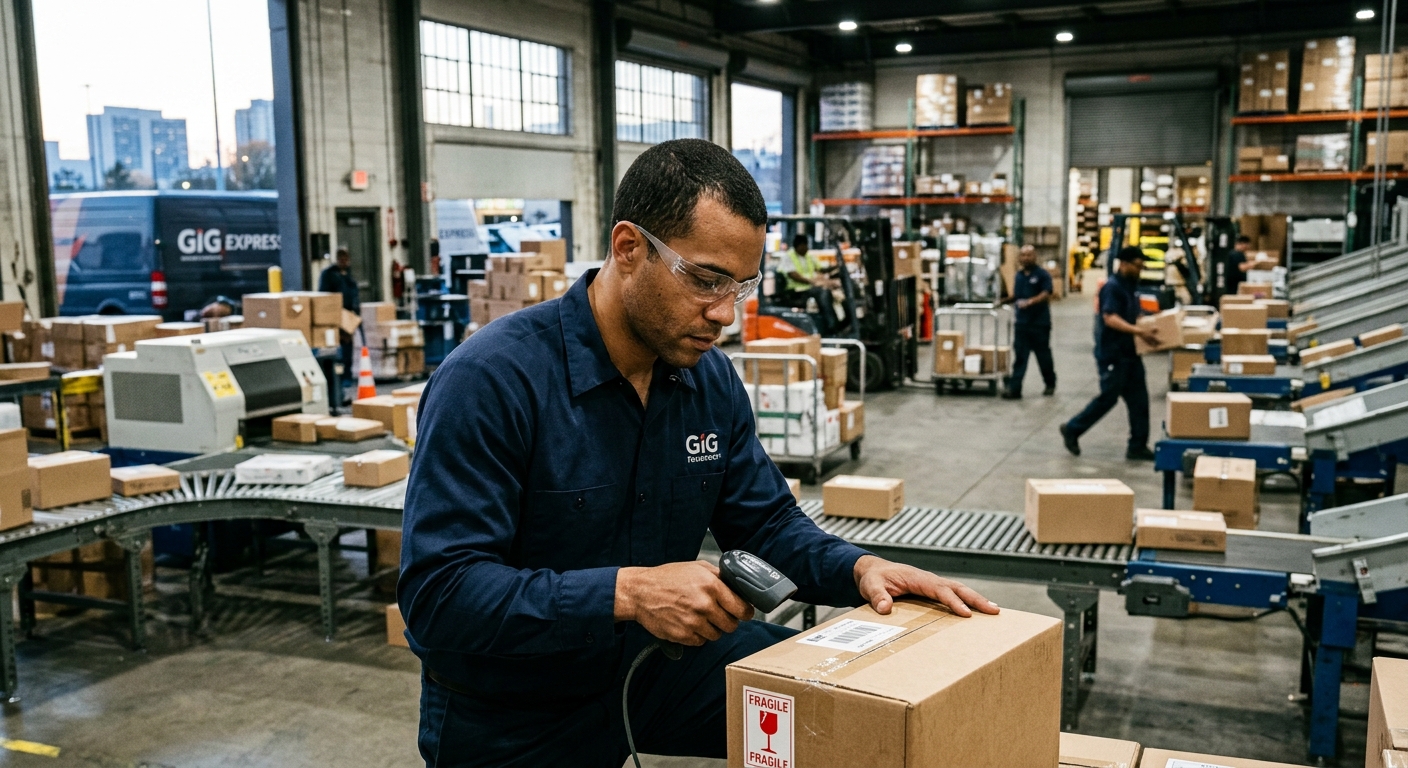
Express transport exists for one fundamental reason: time matters. When a shipment needs to arrive urgently, every stage of the logistics process becomes more consequential. A minor documentation discrepancy can delay customs clearance. An inaccurate address can send a vehicle in the wrong direction. Poor packaging can transform a fast delivery into a costly claim. Speed is valuable, but speed without precision can become counterproductive. Express transport therefore requires more than simply choosing a faster carrier. It demands careful planning, accurate information, appropriate packaging, reliable communication, and contingency management. The following eight mistakes are among the most common pitfalls in urgent transportation. Avoiding them can make the difference between a…
-
What You Need to Know About the New Merchandise Stowage Law
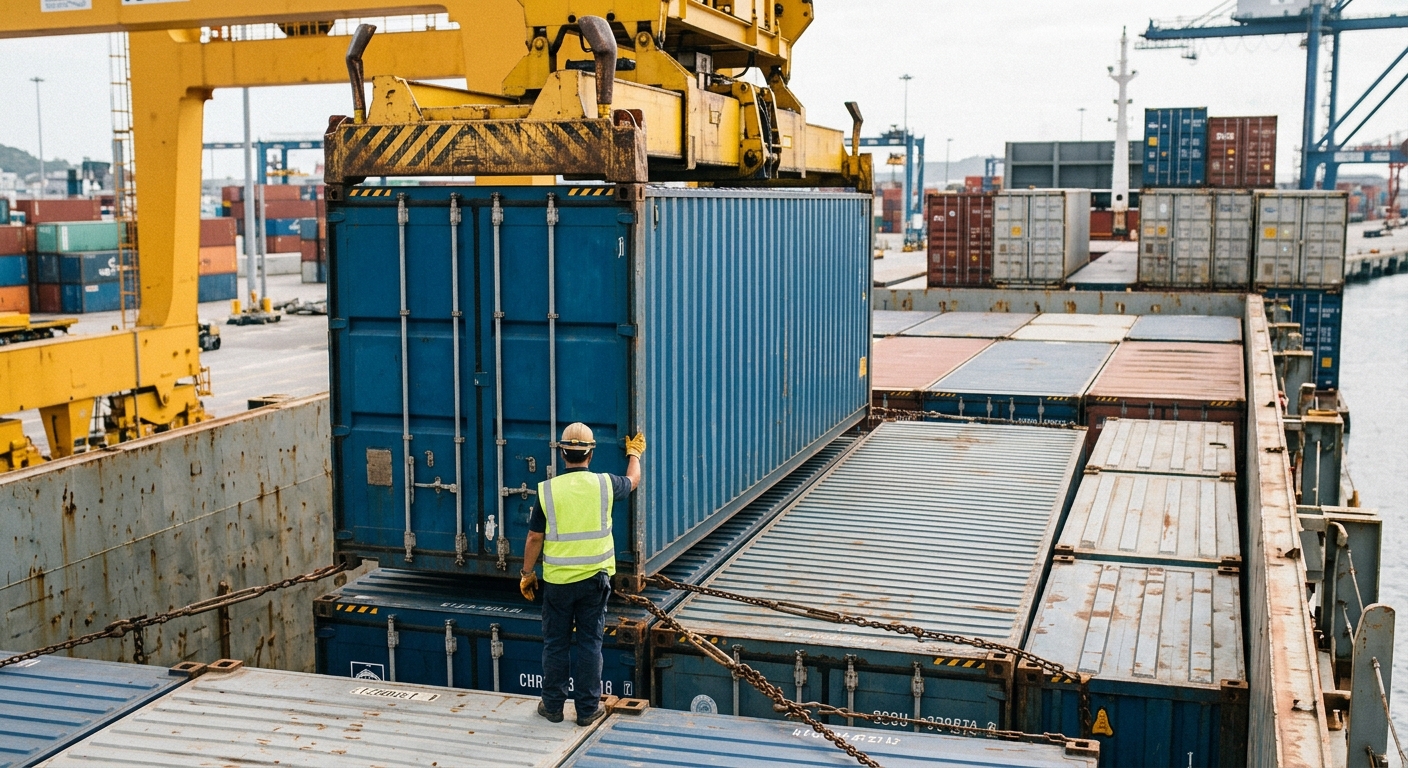
When merchandise is transported by sea, the way cargo is loaded and secured is not simply an operational detail. It can affect vessel stability, cargo integrity, crew safety, insurance exposure, contractual liability, and the legal responsibilities of carriers and shippers. That is why changes involving cargo stowage deserve careful attention. However, there is an important distinction to make at the outset: there is no single, universally recognized U.S. statute formally titled the “new merchandise stowage law.” Rules governing the loading, handling, stowage, securing, custody, and delivery of merchandise can arise from several sources, including maritime statutes, regulations, international conventions, cargo-securing requirements, and contractual terms. For example, U.S. maritime law currently…
-
Order Preparation: Why It Is the Key to Your Warehouse
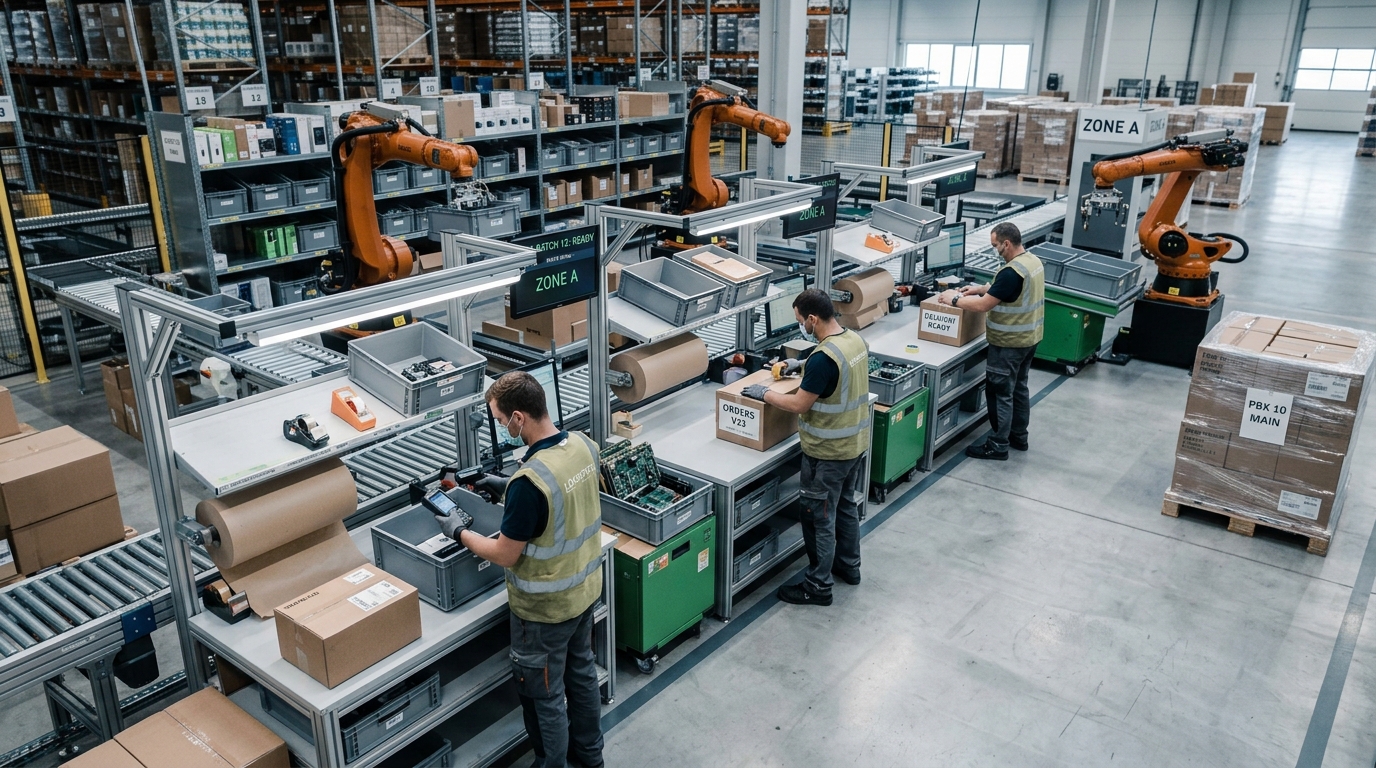
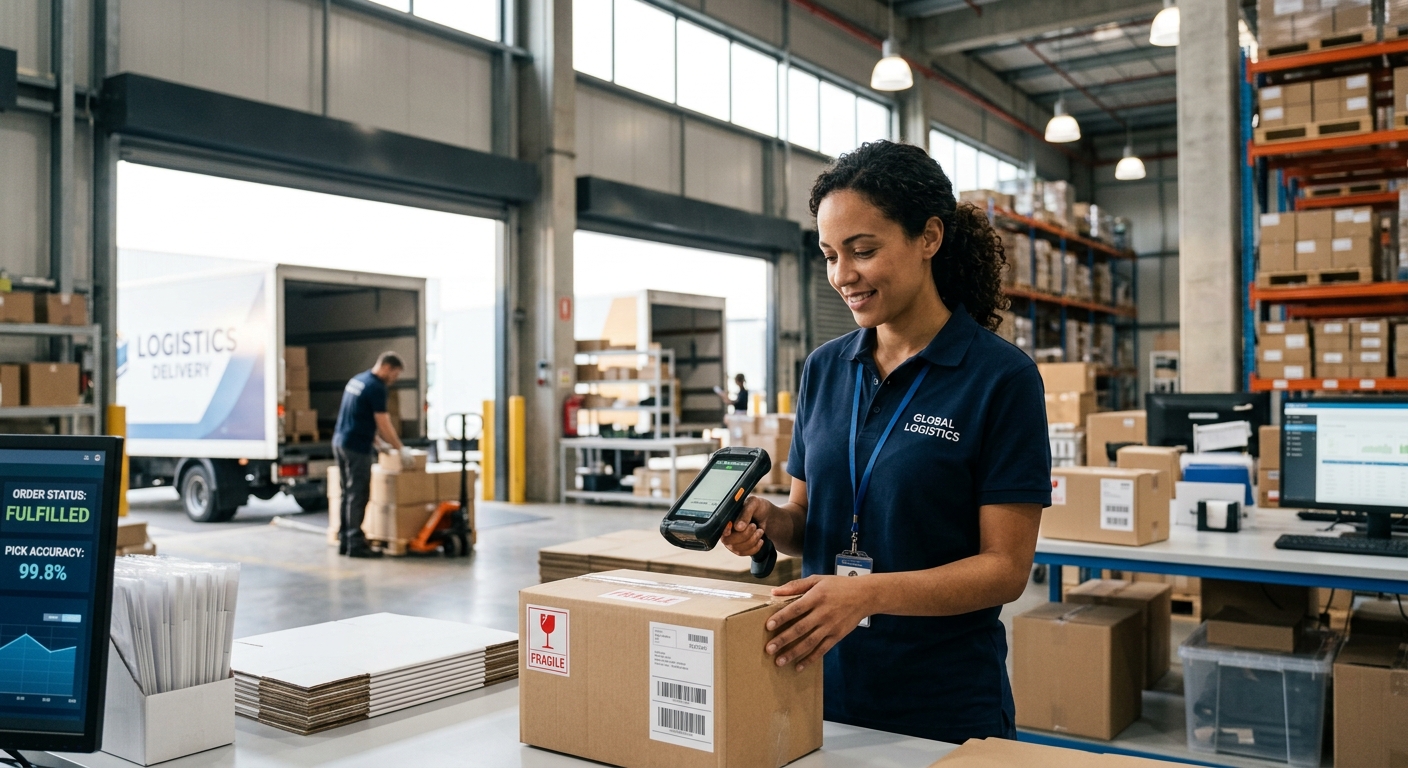
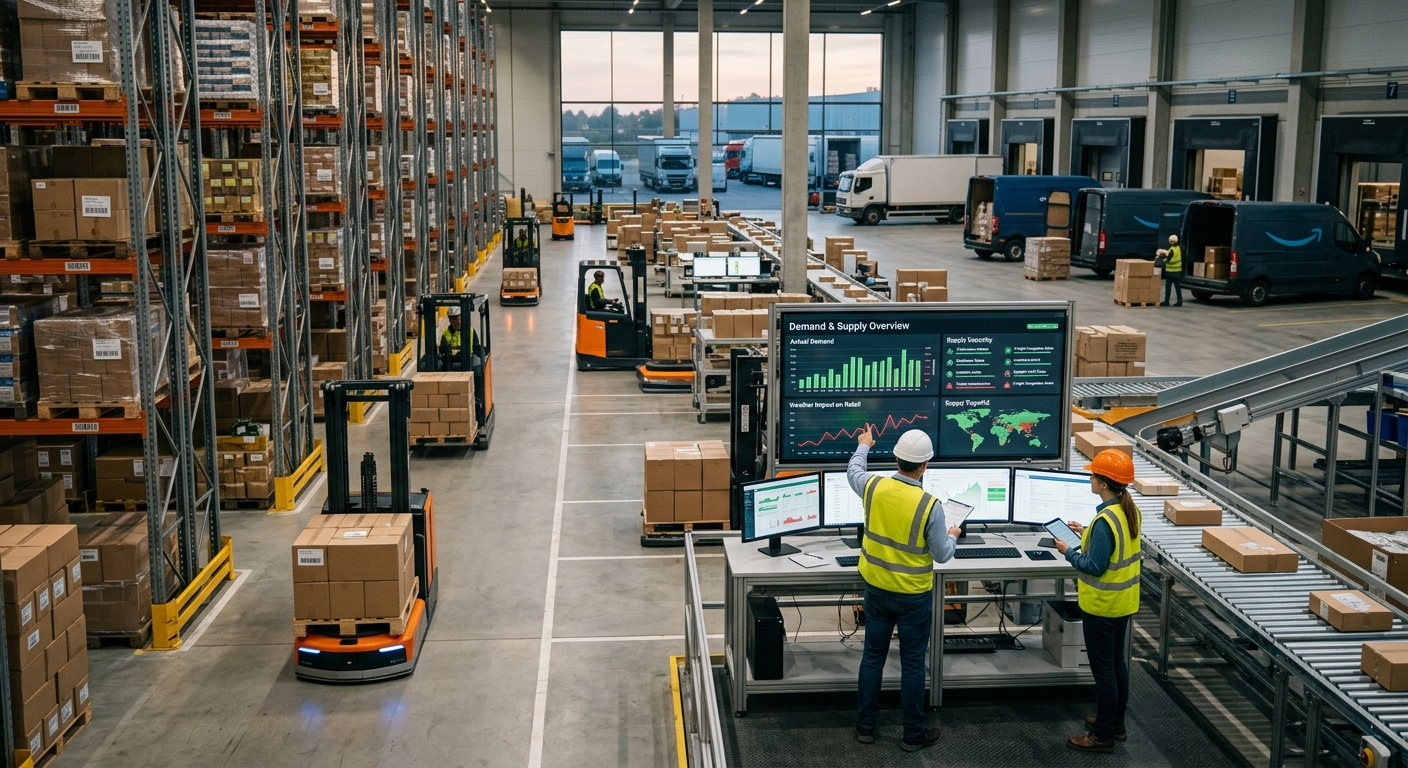
A warehouse can contain sophisticated storage systems, automated equipment, advanced software, and an extensive inventory. Yet none of these elements can compensate for a poorly organized order preparation process. Order preparation sits at the operational heart of warehousing. It connects inventory with demand, transforming stored products into shipments that are ready to reach customers. When this stage functions efficiently, orders move rapidly and accurately through the facility. When it falters, delays multiply, picking errors proliferate, labor costs increase, and customer satisfaction begins to deteriorate. For that reason, order preparation should not be regarded as a routine warehouse task. It is a strategic process that directly influences productivity, operating costs, inventory…
-
The Problem of Balancing Demand and Supply
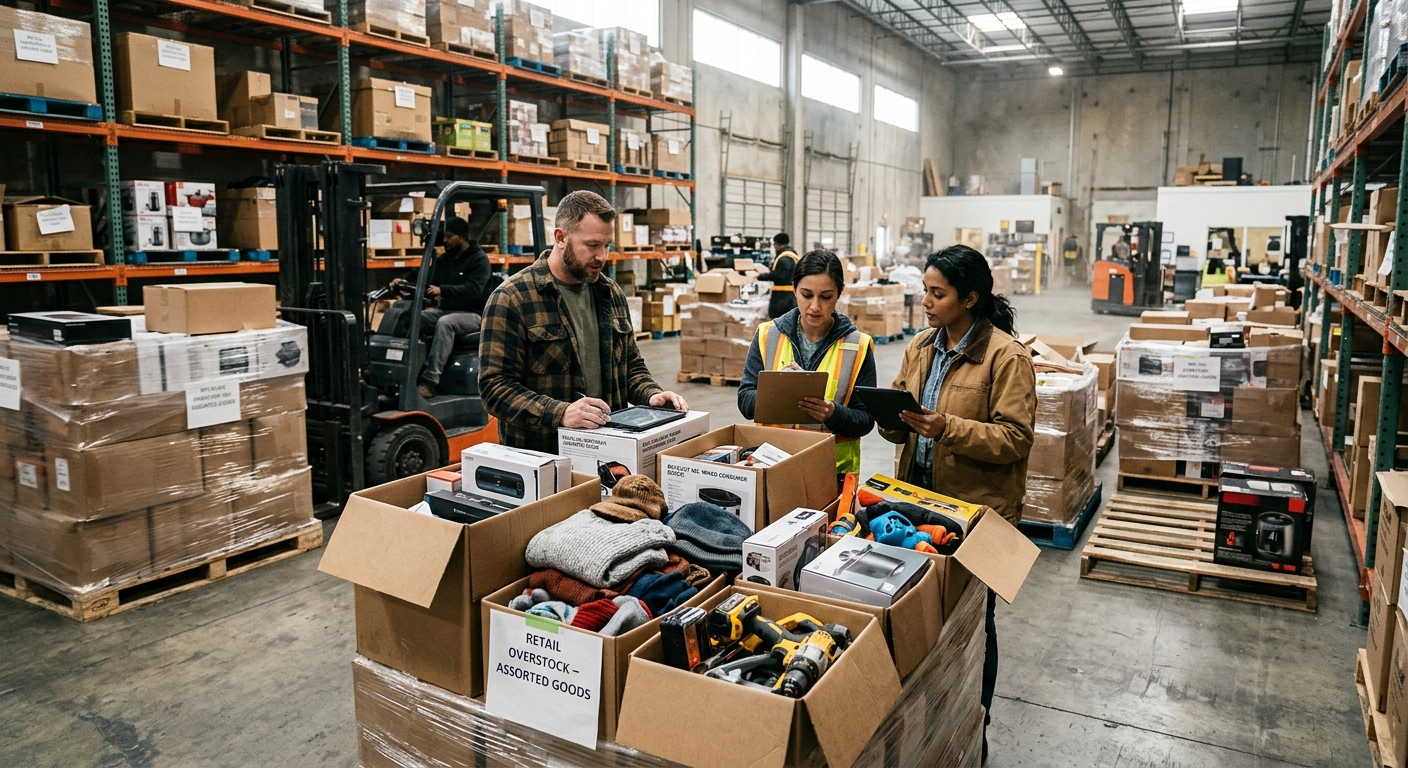
Balancing demand and supply is one of the most persistent challenges in business. Every organization that produces, distributes, sells, or purchases goods and services faces the same fundamental question: how much should be available, and when should it be available? The question sounds straightforward. The answer rarely is. Demand fluctuates. Customers change their preferences. Suppliers experience delays. Production capacity has limits. Transportation networks become congested. Economic conditions shift. Seasonal patterns appear and disappear. Even unexpected weather can transform purchasing behavior within hours. This makes the balancing of supply and demand less like a static calculation and more like a continuous act of calibration. Too much supply can create excess inventory,…
-
Step by Step: Make Forex Trading Photographs and Premium High-Res Photos
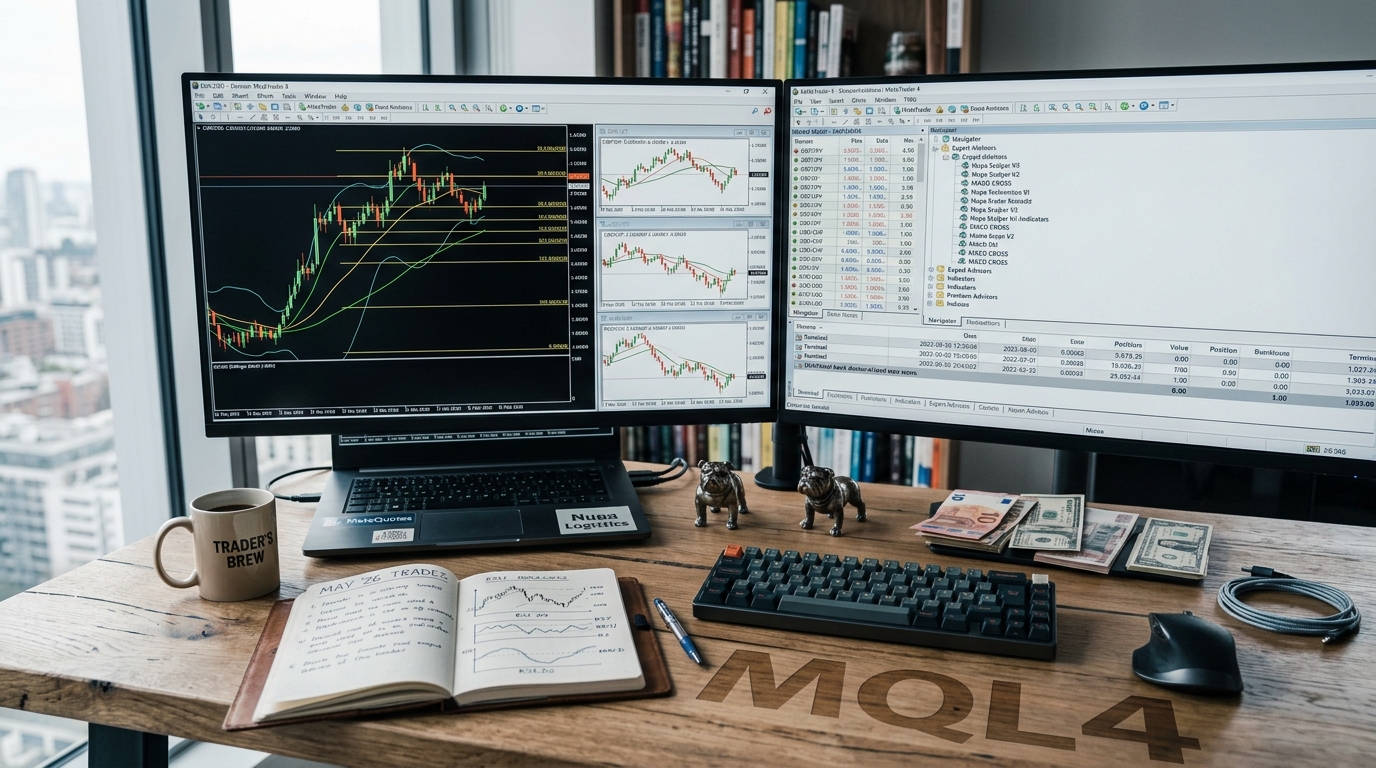
You will learn one of the best instances when to trade forex, perceive what influences the foreign money rate fluctuations and much more. This information can be put to test in our fun quiz and you could make it more interactive by using our virtual in
-
What Is Thinking Logistically?
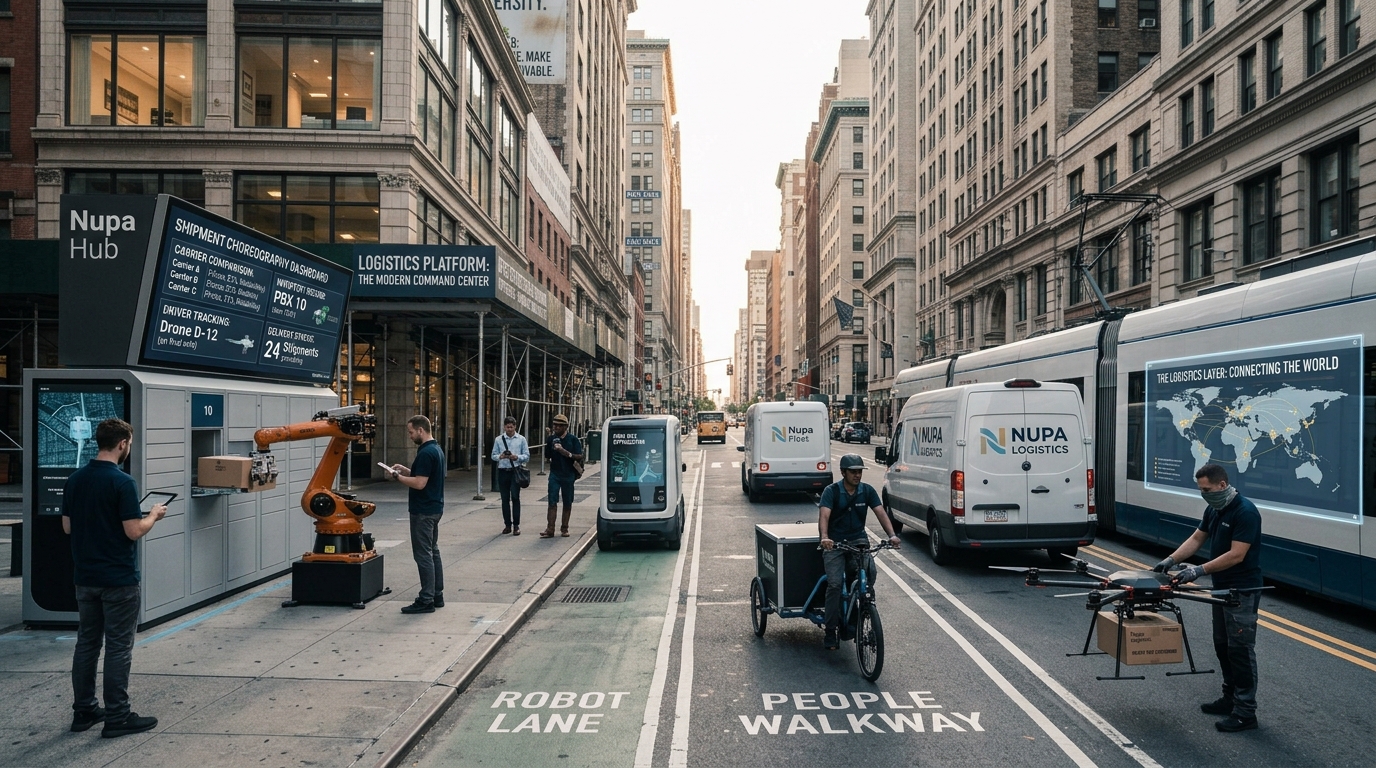
At first glance, logistics seems like a world of trucks, warehouses, delivery schedules, inventory counts, and shipping routes. But logistics is really about something much broader: how things move through a system. That “something” might be physical products, information, people, money, resources, or even decisions. Whenever something needs to travel from point A to point B under certain constraints, logistical thinking becomes useful. Thinking logistically means looking beyond an individual task and considering the entire chain of events surrounding it. What needs to happen first? What depends on what? Where could a bottleneck appear? What resources are available? What happens if something goes wrong? It is a practical way of…
-
Kinds of Transport: A Guide to the Different Ways Goods and People Move
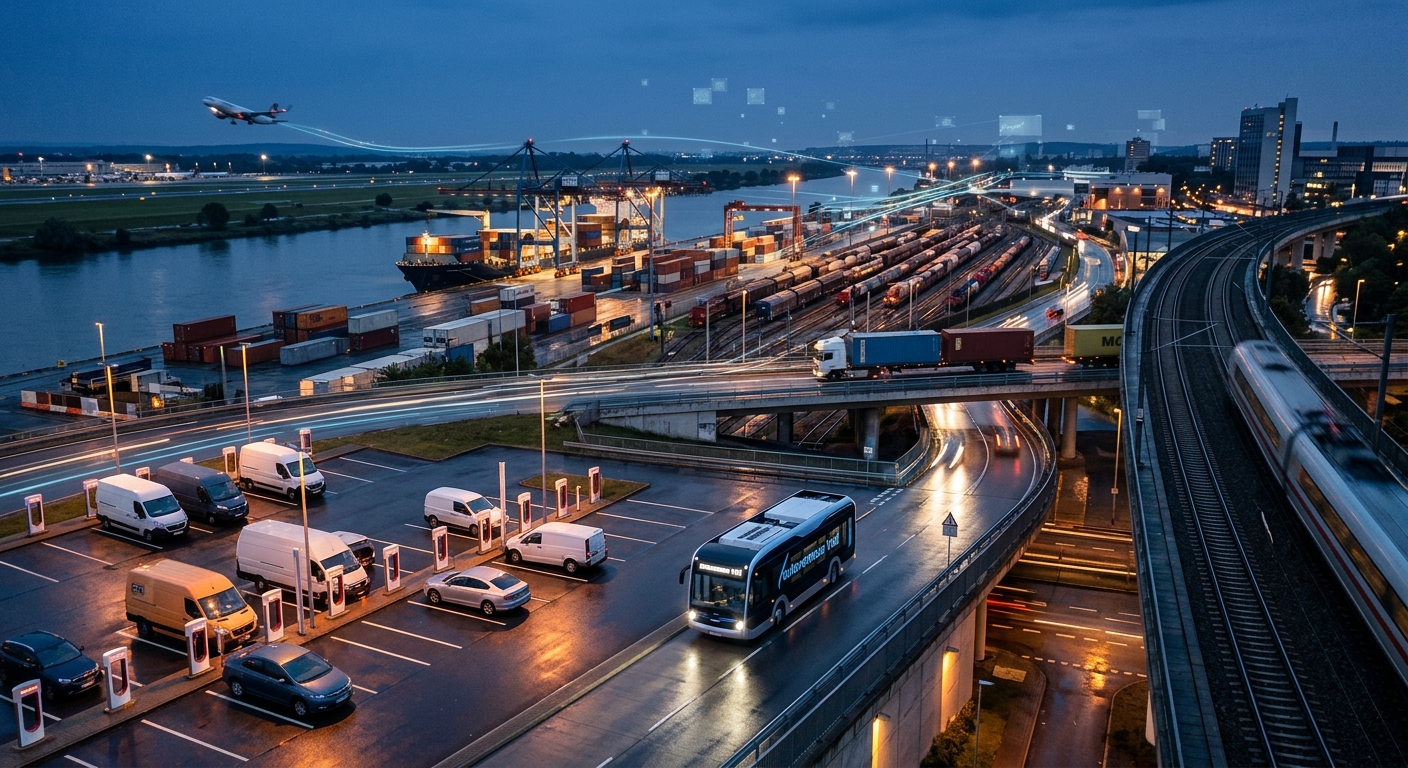
Transport is one of the invisible mechanisms that keeps modern life functioning. Every morning, millions of people travel to work, students make their way to schools and universities, raw materials move toward factories, finished products leave warehouses, and parcels travel across cities and continents toward their final recipients. None of this happens by accident. Behind every journey is a transportation system designed around distance, cost, speed, capacity, infrastructure, and purpose. Some journeys take place on highways. Others cross oceans, traverse rail networks, fly through international airspace, or follow inland waterways. Increasingly, transportation networks combine several modes to create a single journey. Understanding the principal methods of transportation is therefore useful…
-
Singapore Business Change: Understanding a Fast-Moving Business Environment
The greatest known instance is George Soros who made a billion dollars in a day by trading currencies. Be conscious, nonetheless, that forex buying and selling includes important danger and individuals can lose a considerable part of their investment.
-
Three Keys to Food Logistics
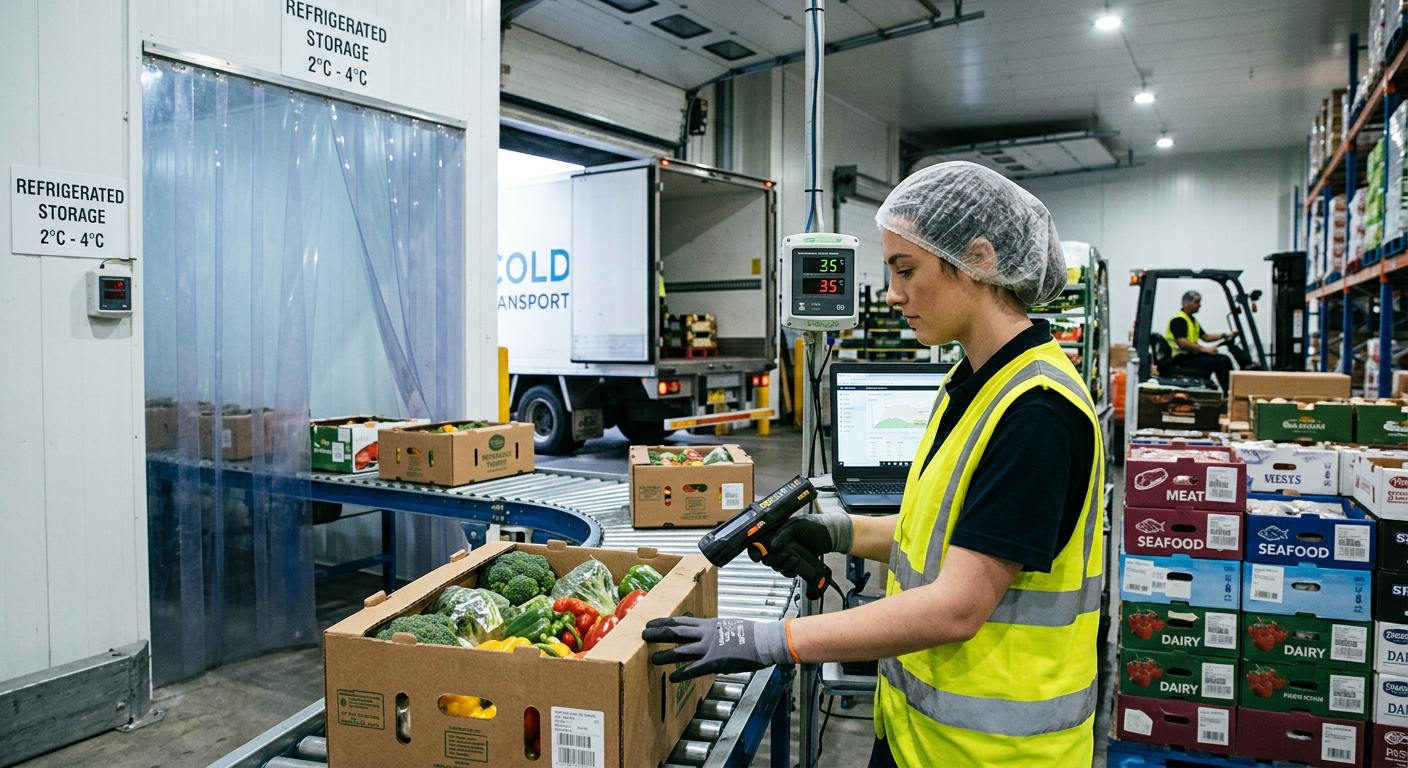
Food logistics is one of the most demanding branches of the modern supply chain. Unlike many other products, food is often perishable, temperature-sensitive, fragile, seasonal, and subject to strict safety requirements. A delay that might be inconvenient for an ordinary shipment can become a serious commercial or food-safety problem when the cargo consists of fresh produce, dairy products, meat, seafood, or prepared meals. The complexity becomes even greater as consumer expectations change. Restaurants want reliable deliveries. Supermarkets need consistent inventory. Food manufacturers require dependable raw materials. Consumers expect freshness, traceability, and increasingly rapid fulfillment. This is where effective food service logistics becomes essential. Food logistics is not simply about moving…

Let's Live Life Better