-
Logistics and Transport: Differences and Similarities
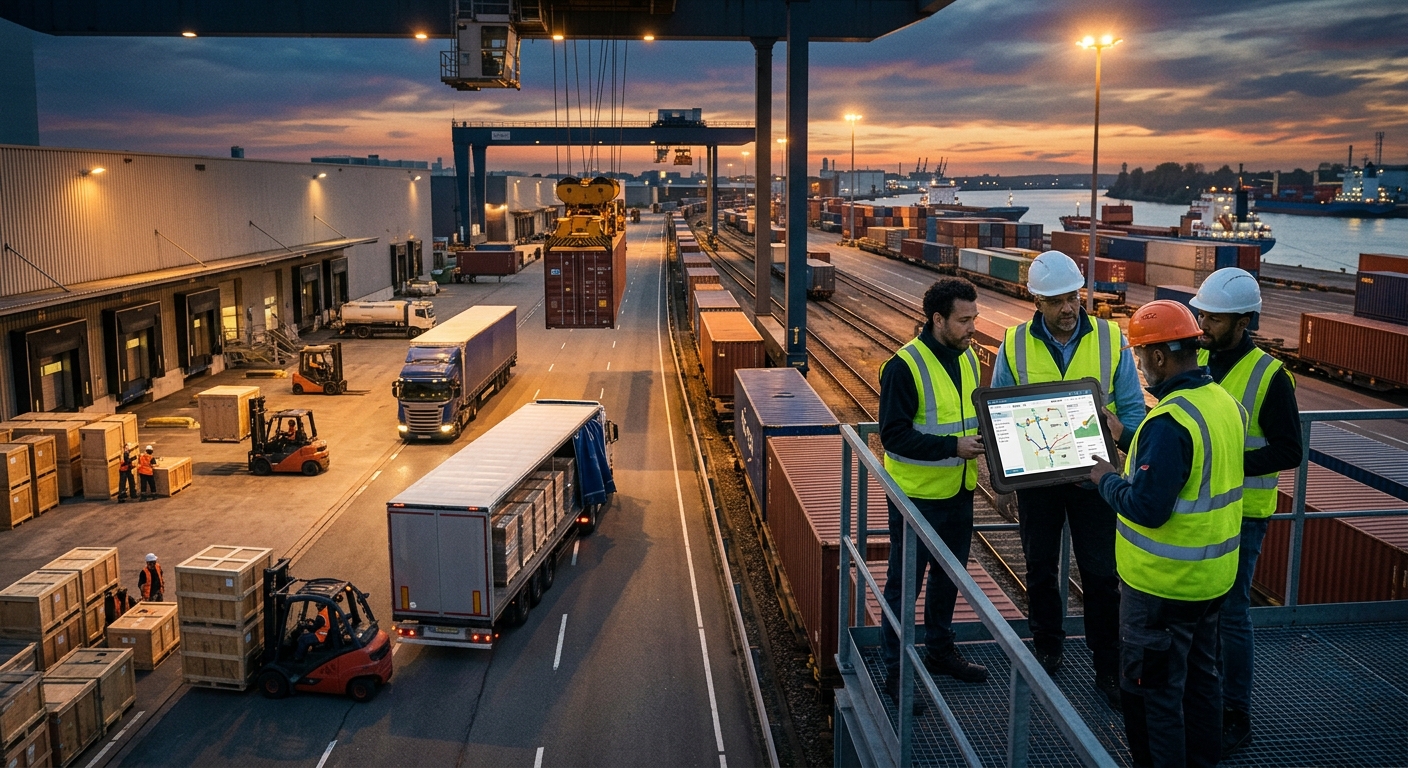
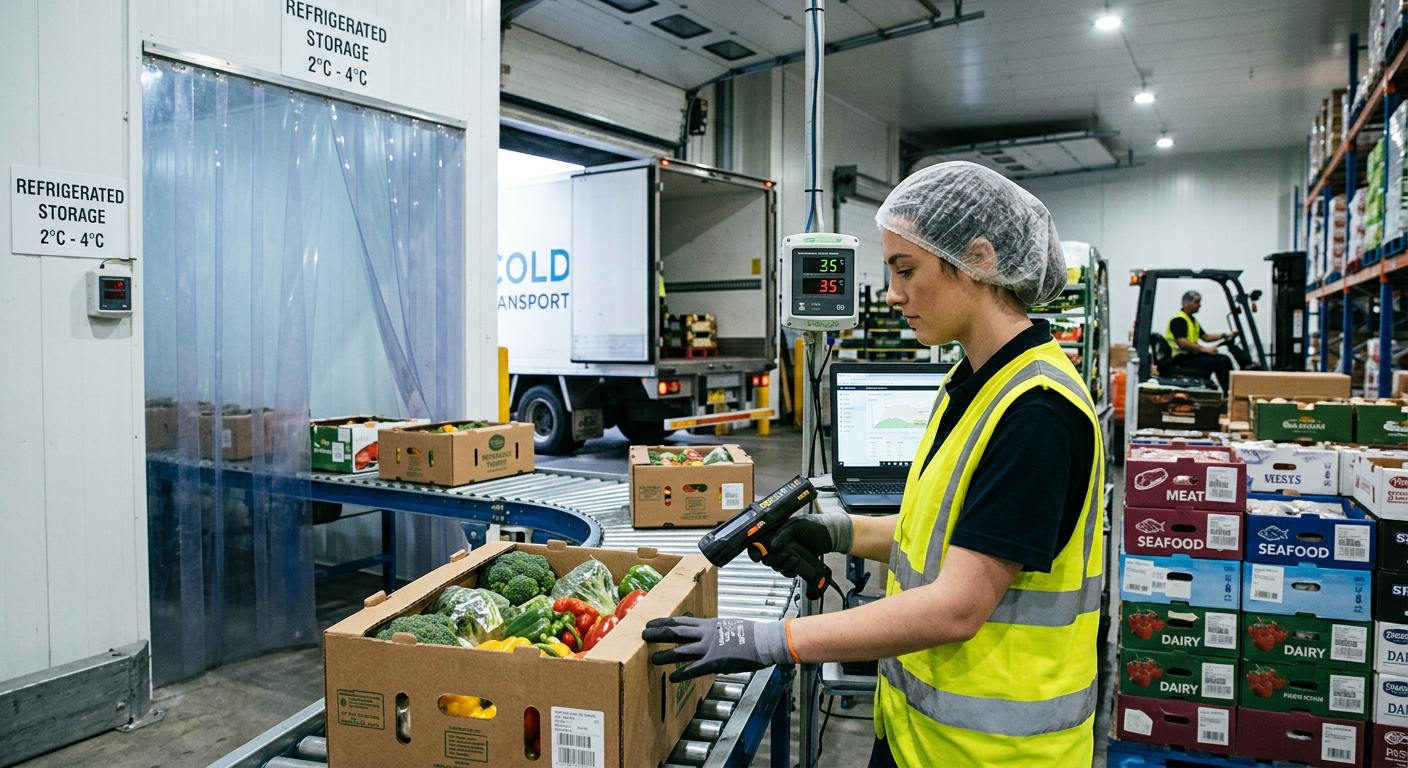
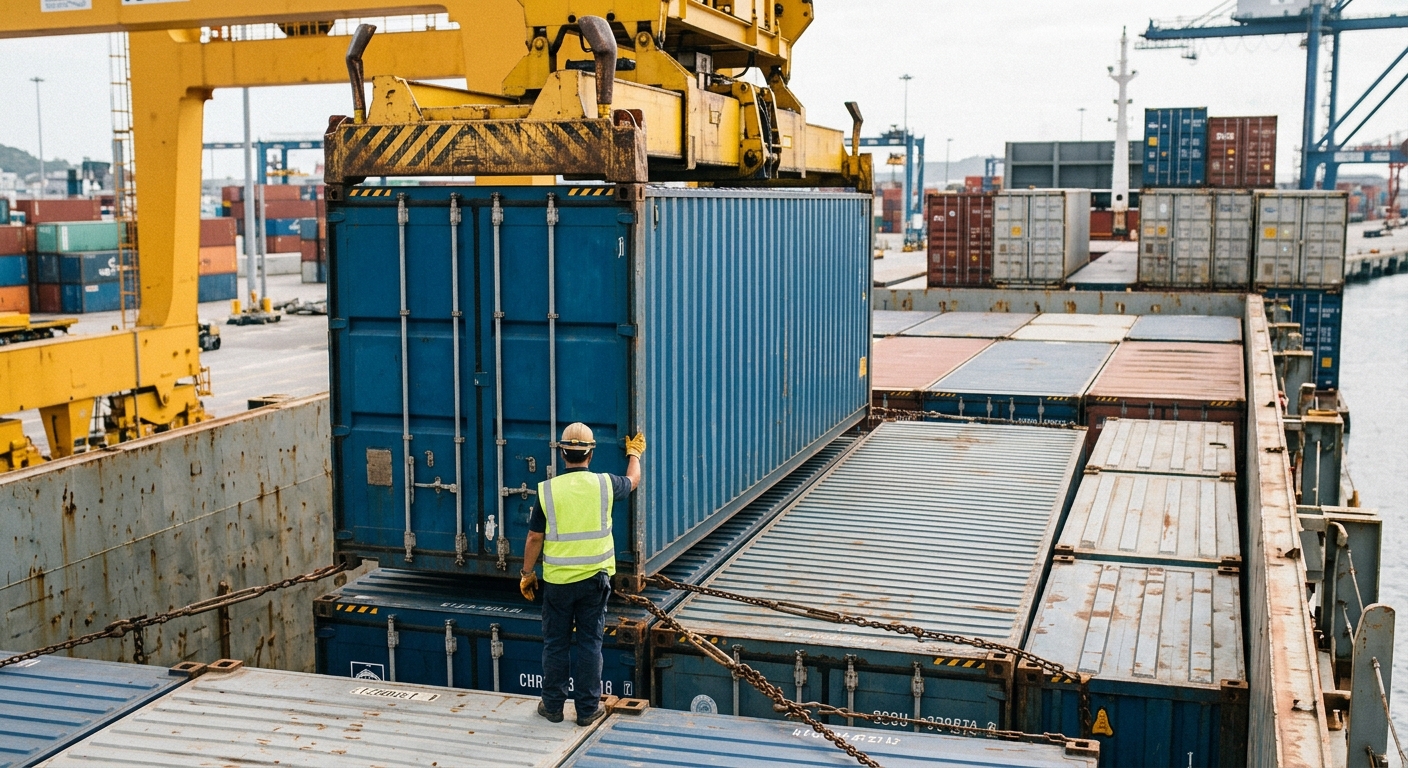
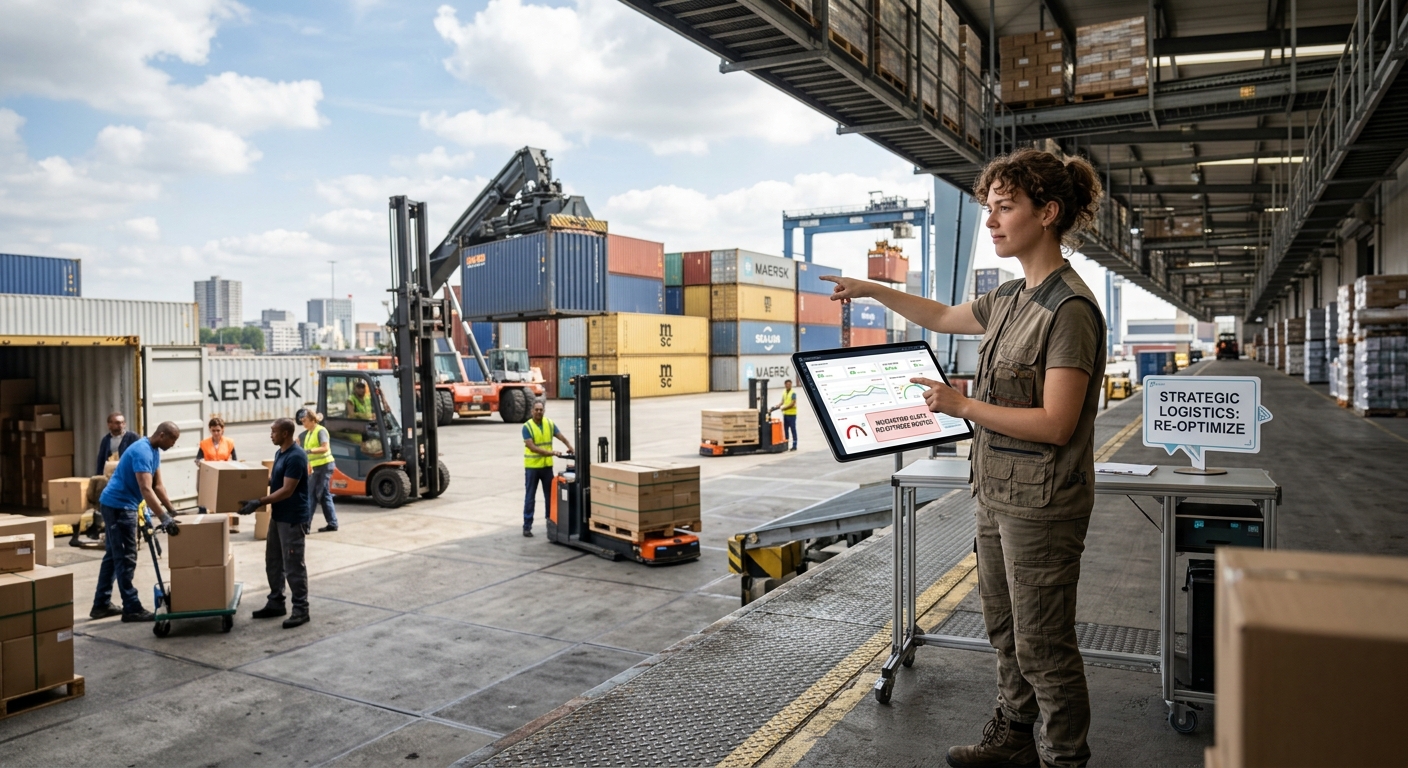
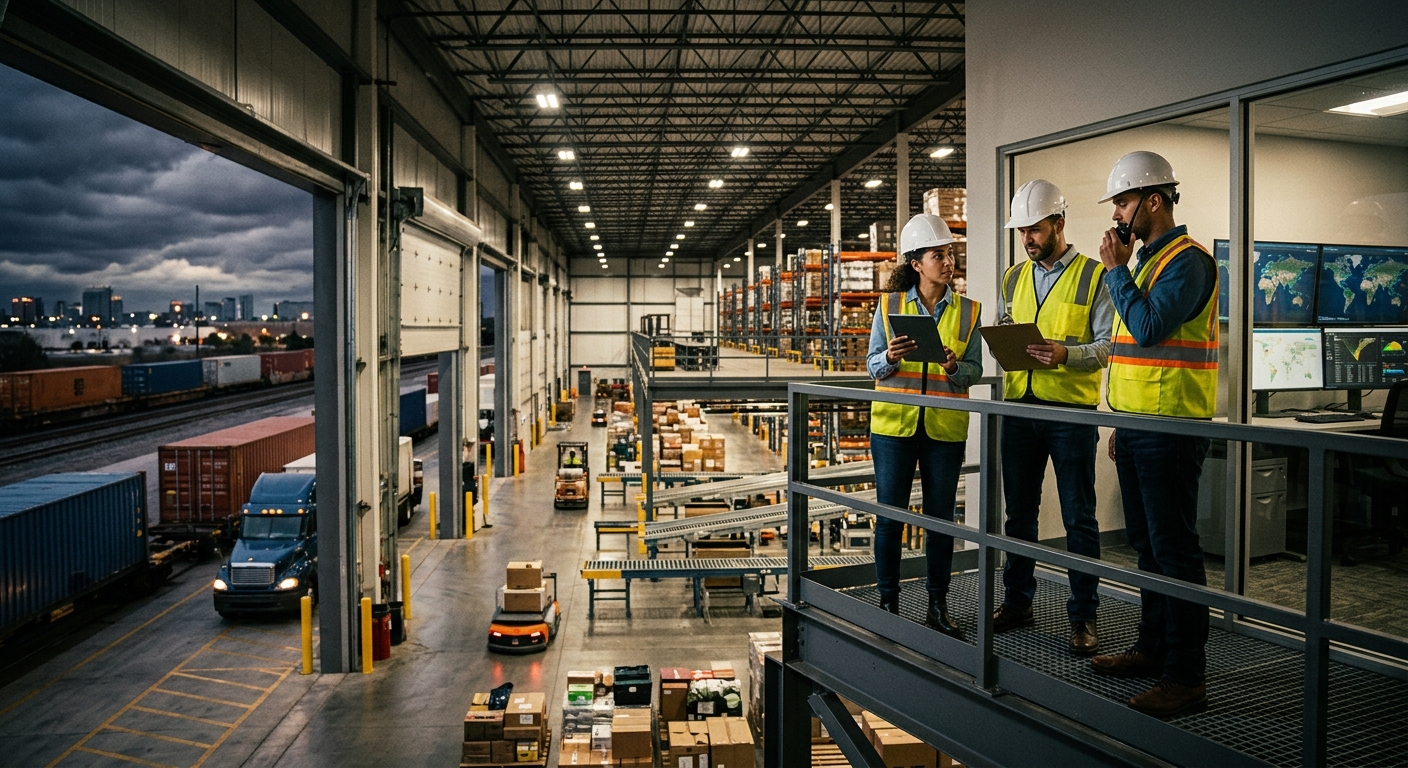
Logistics and transport are often mentioned in the same breath. That makes sense: both are concerned with moving goods and ensuring that products reach the places where they are needed. Yet the two concepts are not interchangeable. Transport is a fundamental component of logistics, but logistics encompasses a much broader range of activities. Understanding this distinction is useful for businesses of every size because the way goods are moved, stored, tracked, and distributed can directly affect costs, customer satisfaction, operational resilience, and growth. So, what is logistics and transportation? In simple terms, transportation focuses primarily on the movement of goods or people from one location to another. Logistics coordinates that…
-
How New Trends Will Mark the Future of the Supply Chain
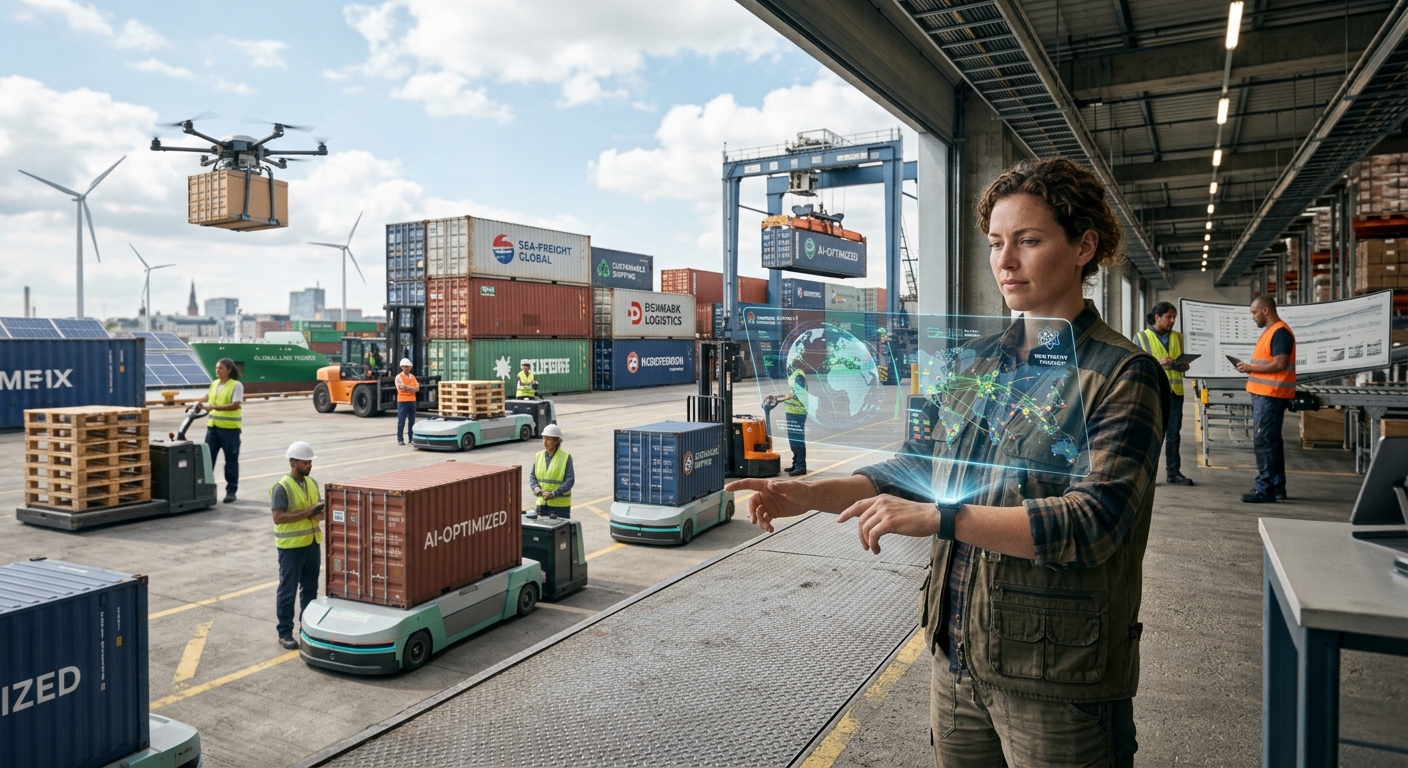
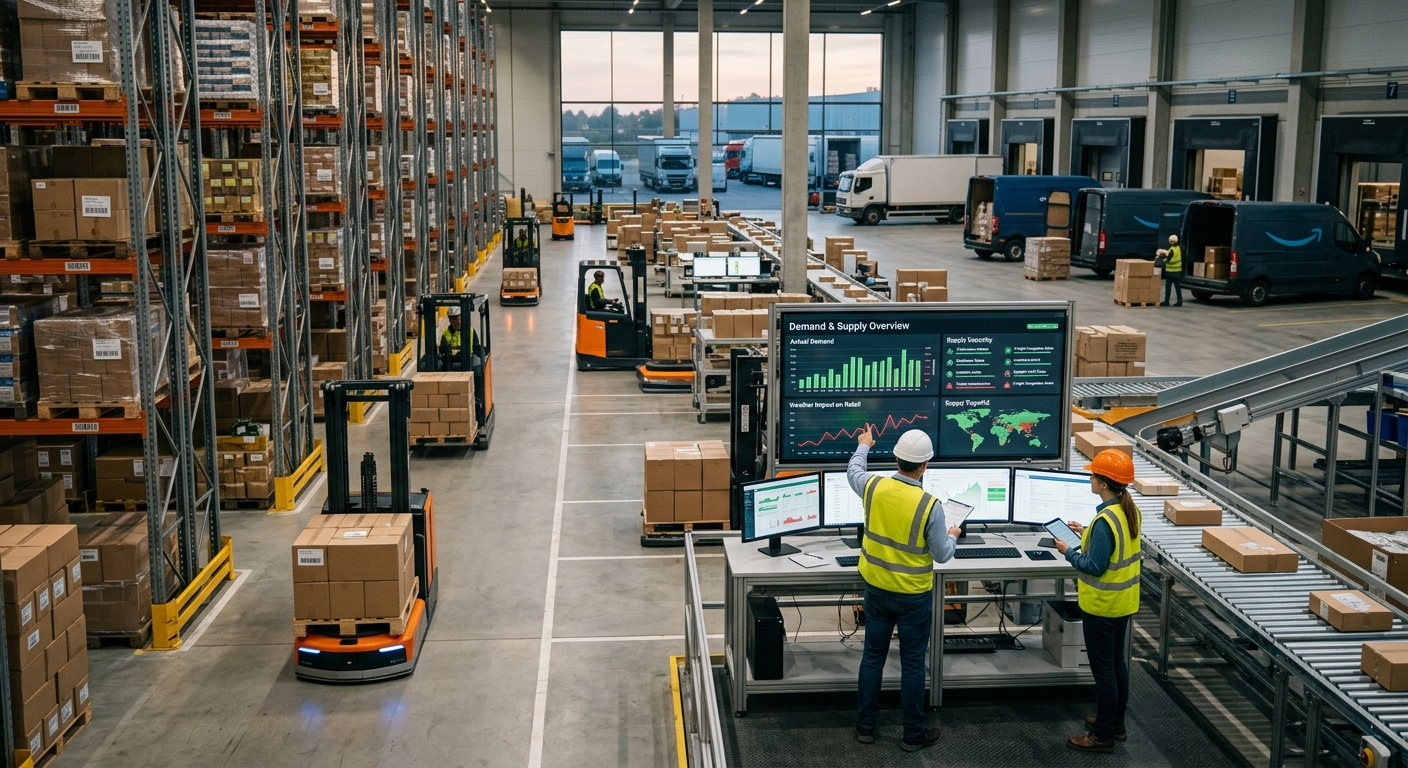
Supply chains are entering an era of profound transformation. For decades, supply chain management was largely associated with procurement, transportation, warehousing, inventory, and cost control. Those functions remain essential, but the operating environment has changed dramatically. Customers expect faster fulfillment. Markets fluctuate rapidly. Geopolitical uncertainty can disrupt established sourcing patterns. Climate-related events can affect infrastructure and production. At the same time, artificial intelligence, automation, connected devices, and advanced analytics are changing how businesses make decisions. The future supply chain will therefore be defined not simply by moving products more efficiently, but by anticipating change before it becomes disruption. This is where innovation supply chain management becomes strategically important. Innovation is…
-
Transport Services: Constant Evolution
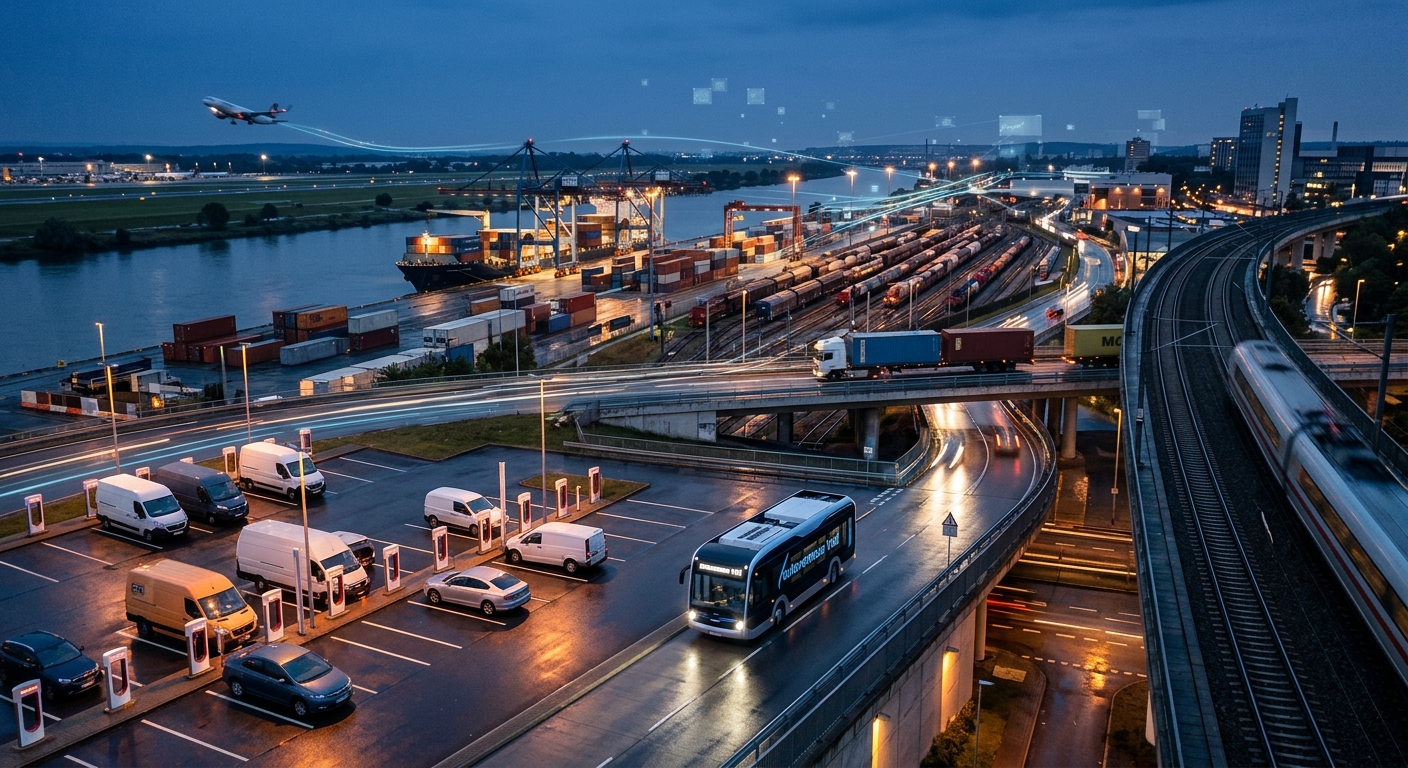
Transport services are among the most consequential systems in modern society. They connect people, businesses, industries, cities, and countries, allowing goods and passengers to move across increasingly complex networks. Yet transportation has never been static. From animal-drawn carts and sailing vessels to railways, automobiles, aircraft, electric vehicles, and autonomous systems, every technological era has reshaped how movement occurs. Changes in infrastructure, economics, urbanization, consumer expectations, environmental policy, and digital technology have continuously altered the transportation landscape. This process can be described as transport evolution. It is not simply a history of faster vehicles. It is the transformation of an entire ecosystem involving infrastructure, logistics, energy, information, regulation, and human behavior.…
-
How Digital Twins Join Finance and Sustainability
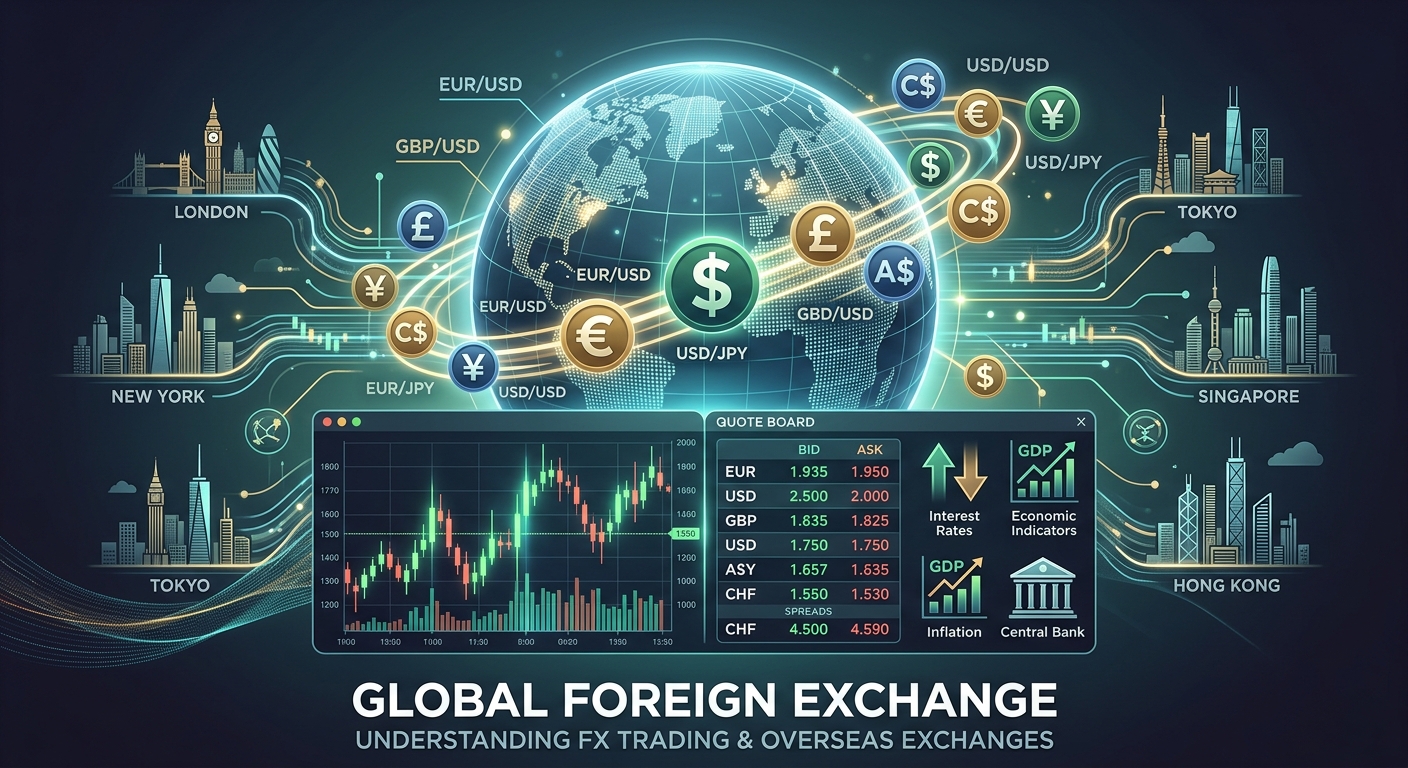
This means that you can put your cash in and get it out again just as simply. It also means you could enter a commerce with a relatively low threat of the worth fluctuating too much earlier than your trade executes. As previously mentioned, it's tremen
-
What Is Dropshipping and How Can It Help You?
Starting an online business can seem intimidating. There are products to source, customers to attract, payments to process, orders to fulfill, and countless operational details to consider. Dropshipping offers a different approach. Instead of purchasing large quantities of inventory and storing everything yourself, a dropshipping business allows you to sell products while a third-party supplier handles much of the physical fulfillment. When a customer places an order, the supplier typically prepares and ships the product directly to the customer. It sounds simple. And in some ways, it is. But dropshipping is not a magical shortcut to effortless income. Like any commercial model, it involves costs, customer-service obligations, marketing challenges, supplier…
-
The Seven Deadly Sins of a Logistician
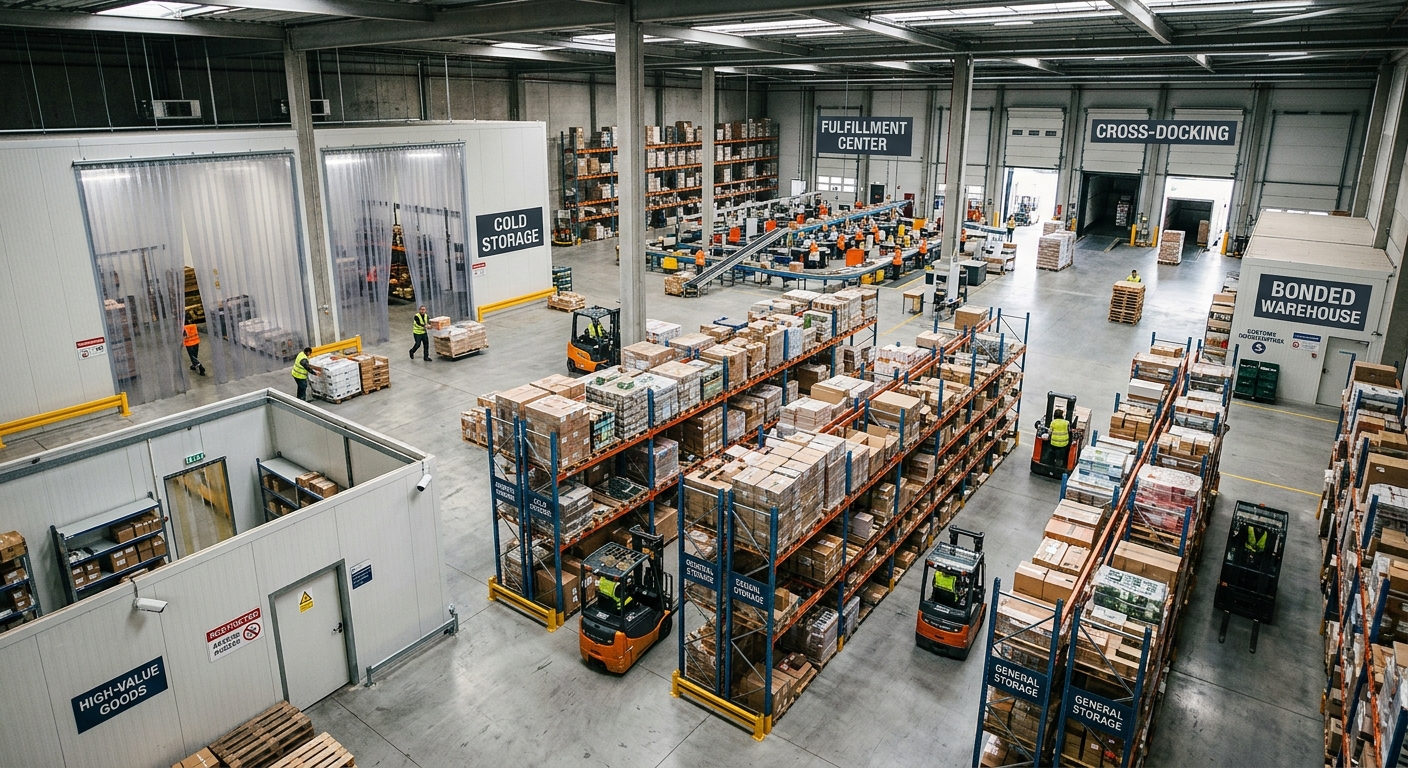
Logistics is often described as the art of getting the right product to the right place at the right time and in the right condition. The definition sounds tidy. The reality is anything but. Behind every successful delivery sits a dense latticework of schedules, suppliers, warehouses, vehicles, vessels, customs procedures, inventory records, forecasts, personnel, and contingency plans. One weak link can disturb the entire chain. A delayed shipment can become a production stoppage. A forecasting error can create mountains of excess inventory. A poorly documented consignment can languish in customs. A minor communication failure can propagate through an operation like a crack traveling across glass. Logisticians therefore need more than…
-
Smart Cities, to the Rescue of Logistics
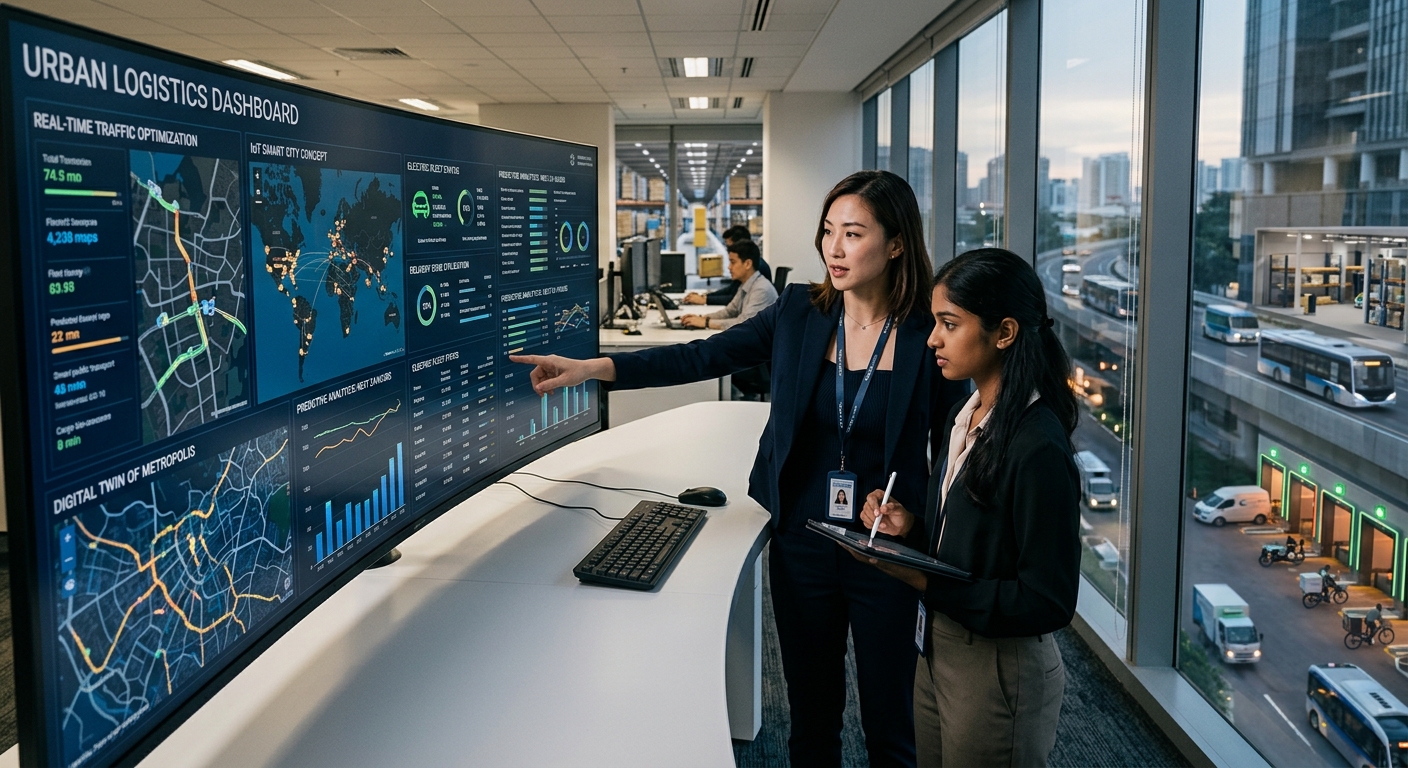
Cities are becoming denser, busier, and more interconnected. Every day, millions of people move through urban areas while an equally important but less visible movement takes place alongside them: goods traveling from warehouses to stores, restaurants, offices, factories, and homes. Urban logistics is under pressure. Traffic congestion slows delivery vehicles. Limited parking makes loading and unloading difficult. Rising customer expectations demand faster deliveries. E-commerce generates more individual shipments, while cities simultaneously seek cleaner air, quieter streets, and lower emissions. At first glance, these objectives appear contradictory. Cities need more deliveries, but fewer vehicles. Customers want faster service, but authorities want less congestion. Businesses want efficiency, while residents want quieter and…
-
The Hidden Consequences of Stockouts: Why Empty Shelves Cost More Than You Think
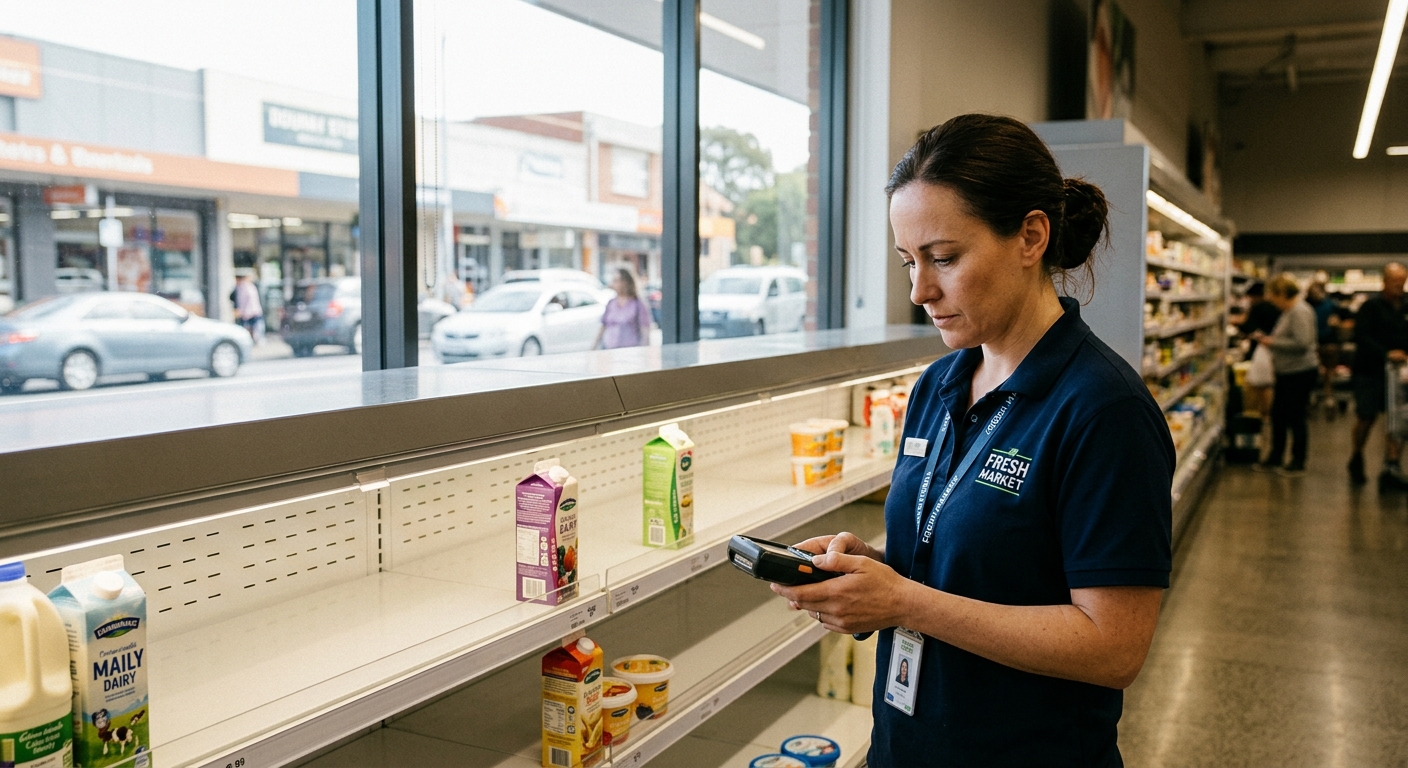
A product that is not available when a customer wants it may appear to create a simple problem: one missed sale. In reality, the consequences can be considerably more extensive. Stockouts can disrupt sales, damage customer relationships, increase operating costs, create unnecessary administrative work, distort demand data, and even affect the reputation of an entire business. The visible problem is an empty shelf or unavailable product. The invisible consequences can continue long after inventory has been replenished. For retailers, manufacturers, wholesalers, e-commerce companies, and distributors, inventory availability is therefore more than an operational concern. It is a fundamental component of commercial performance. Understanding what happens when inventory disappears is essential…
-
How to Manage the Service Levels of Your Products
In a competitive market, having a good product is only part of the equation. Customers increasingly evaluate what happens around the product: whether it is available when needed, delivered on time, supported after purchase, and accompanied by reliable information. That broader experience is where service levels become strategically important. A product can be technically excellent and still disappoint customers if it is perpetually out of stock, delivered late, difficult to return, or supported inconsistently. Conversely, a well-designed service model can transform an ordinary product into a dependable commercial proposition. Effective service level management provides a structured way to define, measure, monitor, and improve these expectations. It turns vague promises such…
-
The Ethical Pact of Companies With Their Environment
A company does not exist in isolation. It may have offices, factories, warehouses, stores, vehicles, servers, and employees, but all of these activities depend on a broader environment. Businesses rely on natural resources, public infrastructure, communities, workers, customers, and institutions. In return, their operations inevitably affect the world around them. This creates an implicit social contract. Companies receive opportunities from their environment, while their decisions can influence the quality of that same environment. The ethical question is therefore not simply whether a business is profitable, but whether it uses its resources and influence responsibly. This is where companies and social responsibility intersect. Corporate responsibility is no longer merely a philanthropic…

Let's Live Life Better