-
The Problem of Balancing Demand and Supply
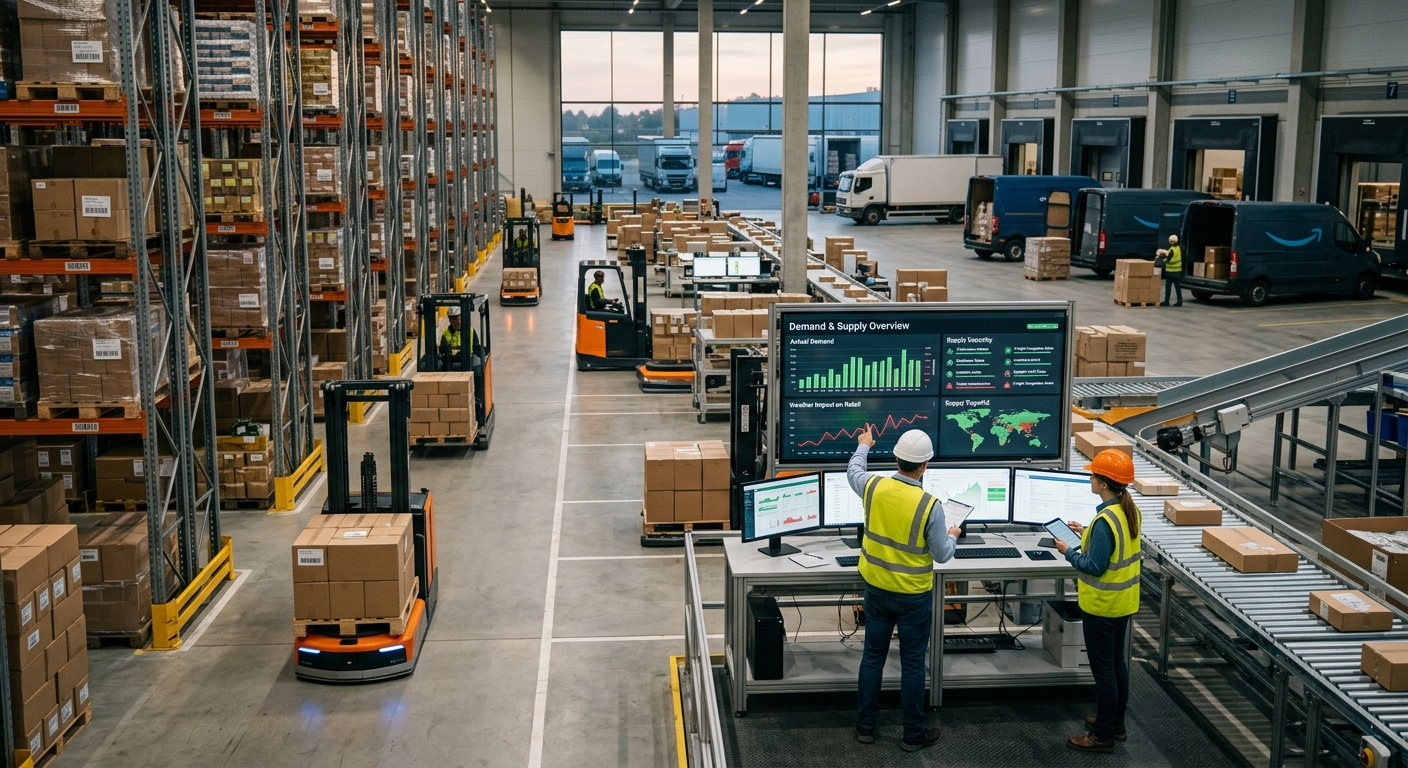
Balancing demand and supply is one of the most persistent challenges in business. Every organization that produces, distributes, sells, or purchases goods and services faces the same fundamental question: how much should be available, and when should it be available? The question sounds straightforward. The answer rarely is. Demand fluctuates. Customers change their preferences. Suppliers experience delays. Production capacity has limits. Transportation networks become congested. Economic conditions shift. Seasonal patterns appear and disappear. Even unexpected weather can transform purchasing behavior within hours. This makes the balancing of supply and demand less like a static calculation and more like a continuous act of calibration. Too much supply can create excess inventory,…
-
What Is Thinking Logistically?
At first glance, logistics seems like a world of trucks, warehouses, delivery schedules, inventory counts, and shipping routes. But logistics is really about something much broader: how things move through a system. That “something” might be physical products, information, people, money, resources, or even decisions. Whenever something needs to travel from point A to point B under certain constraints, logistical thinking becomes useful. Thinking logistically means looking beyond an individual task and considering the entire chain of events surrounding it. What needs to happen first? What depends on what? Where could a bottleneck appear? What resources are available? What happens if something goes wrong? It is a practical way of…
-
Why logistics are complex (and what you can do to remedy it)
Why Logistics Are Complex (and What You Can Do to Remedy It) Logistics looks deceptively simple from the outside. A product needs to move from one place to another. Someone arranges transportation, someone prepares the shipment, and eventually the goods arrive at their destination. Simple, right? Not quite. Behind every successful delivery is an intricate choreography involving suppliers, warehouses, carriers, customs authorities, inventory systems, customers, employees, technology, weather conditions, fuel prices, regulations, and countless other variables. When everything works, the process appears almost invisible. When something goes wrong, the complexity suddenly becomes impossible to ignore. For businesses operating across multiple regions, logistics can become a labyrinthine undertaking where a minor…
-
How to Deal With the Complexity of Your Logistics
Logistics becomes complicated long before it becomes visibly chaotic. A business may begin with a handful of products, a small warehouse, a few suppliers, and a relatively simple delivery network. As sales grow, however, the number of variables expands. More products are introduced. Customers become geographically dispersed. Suppliers multiply. Delivery expectations become shorter. Returns increase. Regulations evolve. Data accumulates across multiple systems. Eventually, a process that once seemed straightforward becomes an intricate web of dependencies. One delayed supplier can affect inventory. Inventory shortages can disrupt order fulfillment. Fulfillment delays can create customer-service problems. Those problems can generate emergency shipments, which increase costs and further complicate transportation planning. This is why…
-
The Only 10 Rules You Need to Know About Logistics Optimization
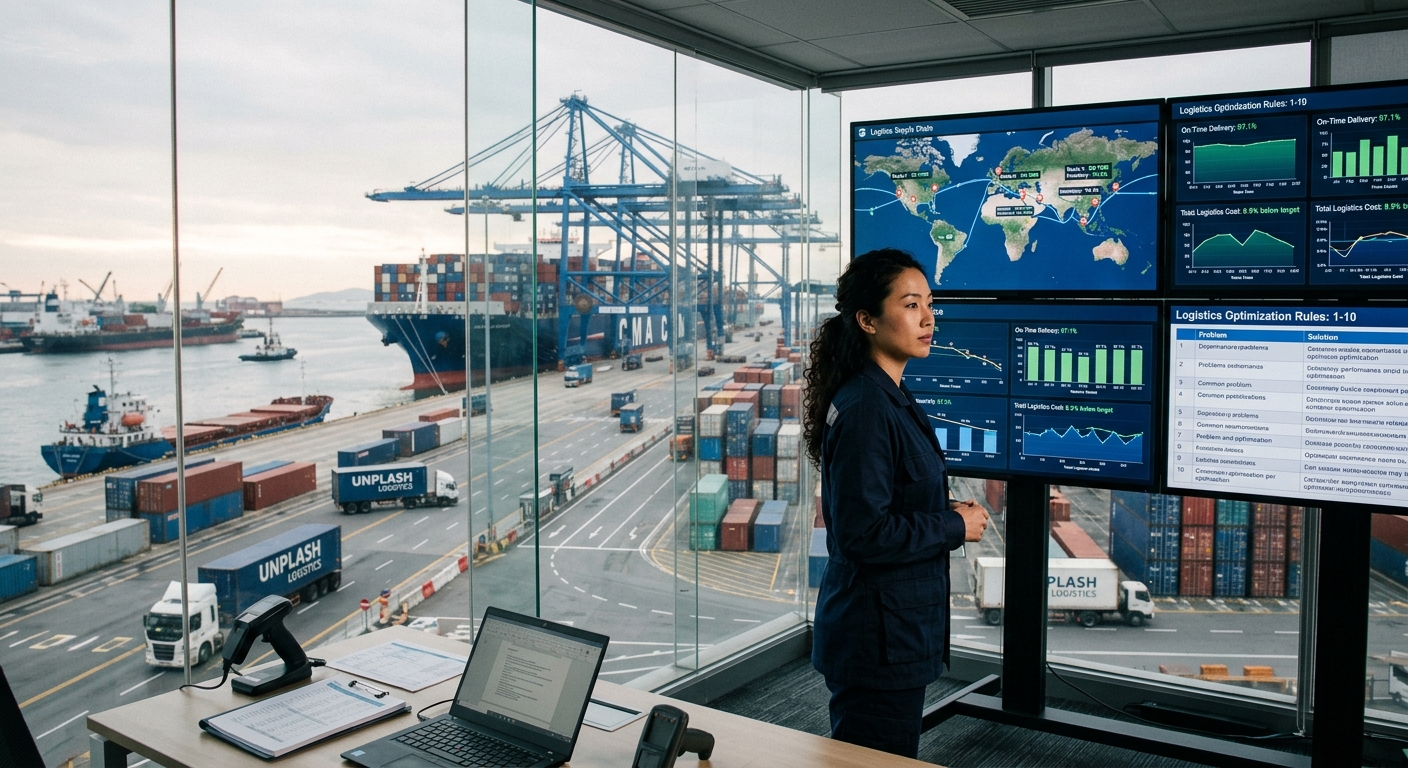
Logistics optimization is often presented as a matter of reducing costs and moving goods faster. That description is incomplete. A truly optimized logistics operation must balance cost, speed, reliability, inventory, capacity, customer expectations, technology, and risk. Improving one variable while damaging another is not optimization. It is merely shifting the problem. A cheaper transportation route that consistently arrives late is not necessarily better. A warehouse that minimizes labor costs but produces frequent picking errors is not efficient. A company that reduces inventory dramatically but cannot respond to demand fluctuations may discover that its apparent savings are more expensive than the inventory it eliminated. The central objective is equilibrium. Modern logistics…
-
What Is a Service Level Agreement? A Complete Guide to SLAs
A business relationship can begin with optimism. A company hires a technology provider, logistics partner, consultant, cloud platform, telecommunications operator, or other service provider. Everyone agrees on the broad objective. The provider will deliver a service, and the customer will receive the expected results. But what happens when expectations collide with reality? A system goes offline. A support ticket sits unanswered. A delivery misses its agreed window. A critical application performs below expectations. A customer needs urgent assistance but discovers that “urgent” means something entirely different to the supplier. This is where a Service Level Agreement, commonly abbreviated as SLA, becomes important. An SLA turns general expectations into measurable commitments.…
-
The Presence of Women in Transport Companies
The transport industry has traditionally been associated with images of trucks, warehouses, ports, trains, cargo terminals, and long-distance routes. For decades, many of these environments were perceived as predominantly male workplaces. Yet the modern transport sector is changing. Women are increasingly participating in logistics, freight management, supply-chain planning, fleet administration, transportation technology, procurement, warehousing, customer service, finance, and executive leadership. The change is significant because transport is not simply a physical industry. It is a sophisticated economic ecosystem that depends on coordination, information, technology, communication, and strategic decision-making. The growing presence of women in logistics therefore represents more than a demographic shift. It is part of the broader transformation of…
-
The Supply Chain, Sustainability and the Planet
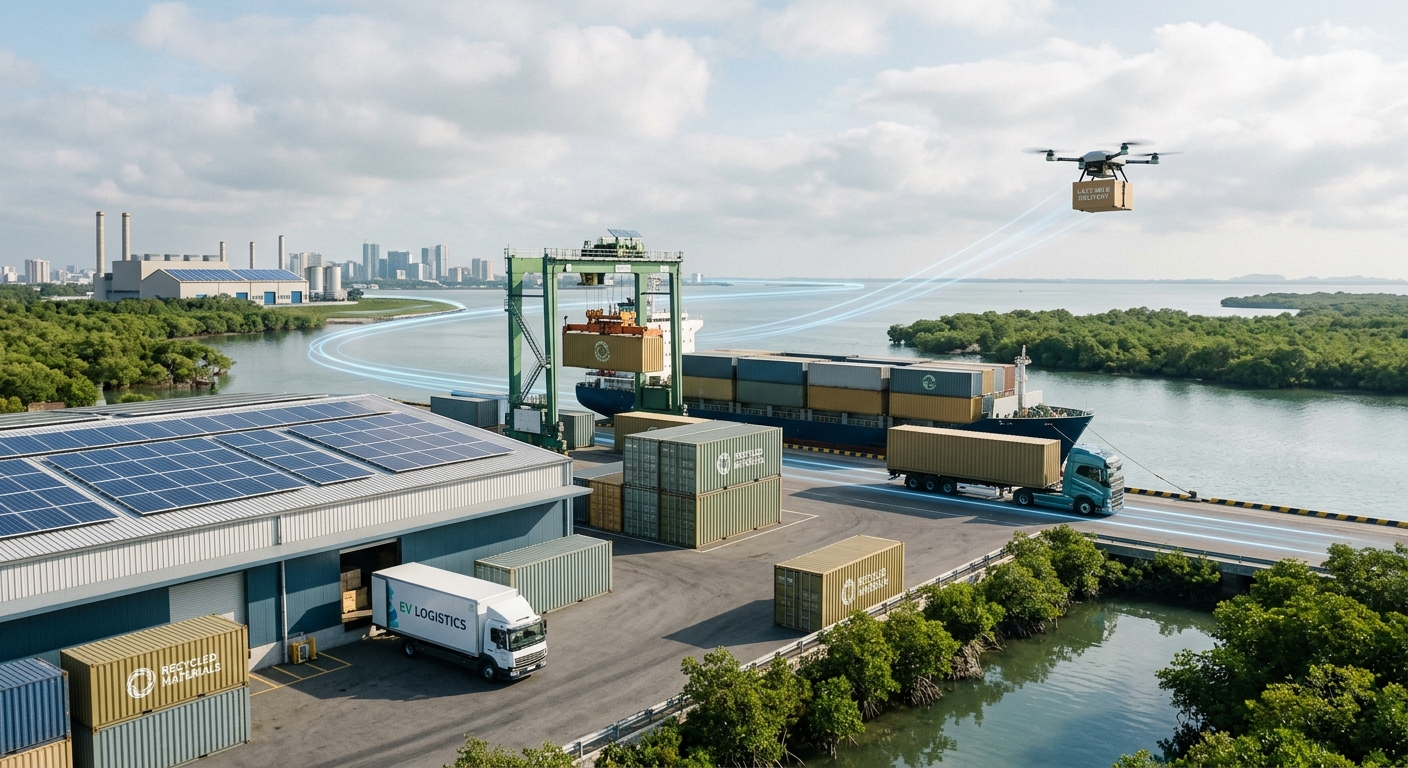
Supply chains are the hidden architecture of modern commerce. Behind almost every product sits an intricate network of suppliers, manufacturers, warehouses, transport operators, distributors, retailers, and consumers. Raw materials cross borders. Components pass through factories. Finished goods travel thousands of kilometers before reaching their final destination. This enormous machinery creates prosperity and convenience, but it also creates environmental pressure. Transportation consumes fuel. Factories consume energy and water. Warehouses require electricity. Packaging generates waste. Agriculture can contribute to deforestation, soil degradation, and biodiversity loss. Even unsold inventory can carry an environmental cost because the resources used to produce and transport it have already been expended. The relationship between supply chains and…
-
How to Deal With Complexity in the Supply Chain
Supply chains rarely become complex overnight. Complexity usually accumulates gradually as businesses expand their product portfolios, enter new markets, add suppliers, increase customer expectations, and introduce new technologies. At first, every addition appears reasonable. A new supplier offers better prices. A new product attracts customers. A new warehouse shortens delivery distances. A new sales channel creates additional revenue. Then the interactions begin. More products mean more inventory decisions. More suppliers mean more lead-time variability. More markets mean additional regulations. More warehouses mean more stock transfers. More customer promises mean more service-level requirements. Eventually, the individual pieces become interconnected to such an extent that changing one part of the system can…
-
16 chess lessons to apply to logistics and business
“Chess is life.” That’s how clear Bobby Fischer felt, one of the greatest geniuses that the black and white board has given. The finding of parallels between the battles of life and the wars represented in this game have been a fertile source of wisdom that has often reached the business world. And that, of course, can be applied to the world of logistics and the supply chain. Based on quotes from great teachers, players and writers, we are going to explain some of the lessons that logistics can learn from this centuries-old art. 16 chess lessons learn to improvise “If I think, I play badly”, Viswanathan Anand “Genius is…

Let's Live Life Better