Business Opportunities
-
The four “R” of logistics
The need to compete more and better never ends for companies or their logistics. Both need to meet the new needs of their customers and, to do so, these four principles are gaining presence, vital to adapt to current scenarios. These four “R” of logistics, proposed by Donald Waters in ‘Global Logistics’, are: Responsiveness (responsiveness), Reliability (reliability), Resilience (resistance) and Relationships (relationships). The four “R” of logistics Responsiveness (responsiveness) Companies not only have to adapt to new demands, but they have to do it faster and faster. Markets and customers change faster and faster and everything indicates that speed will continue to be a determining factor in the coming years.…
-
just in time; logistics just in time
It is over 60 years old, but it is still the object of desire and the ideal of many supply chains across the globe. The Just in Time philosophy (‘Just in Time’ in English) pursues an objective that is easy to state but more difficult to achieve: having the exact amount of material (whether raw materials or finished products) in the right place and at the right time . Its origin comes from Japan after World War II, with the Toyota brand at the forefront of this revolution. The idea behind just in time (JIT) is, by eliminating stocks, making the entire production process more efficient, optimizing costs and being…
-
Logistics warehouse, the heart of your supply chain
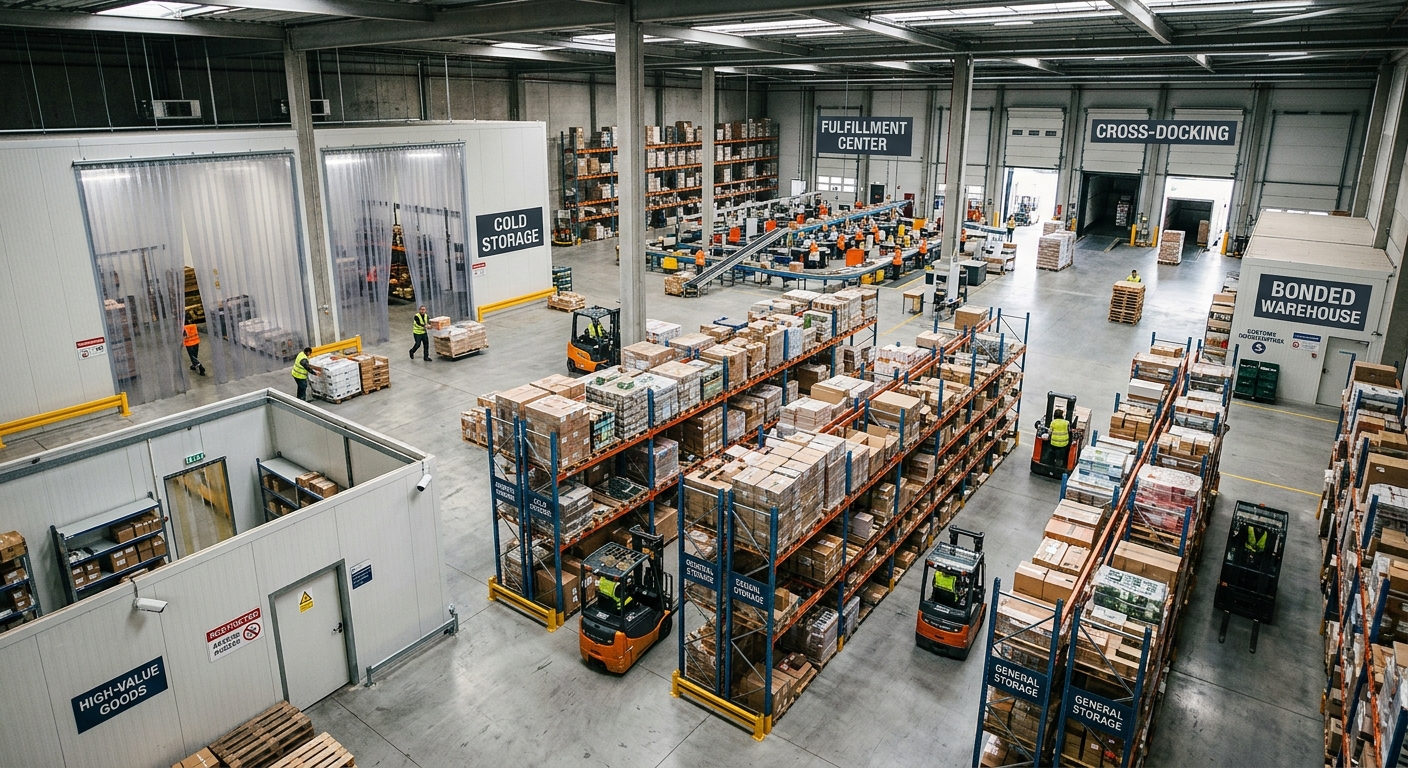
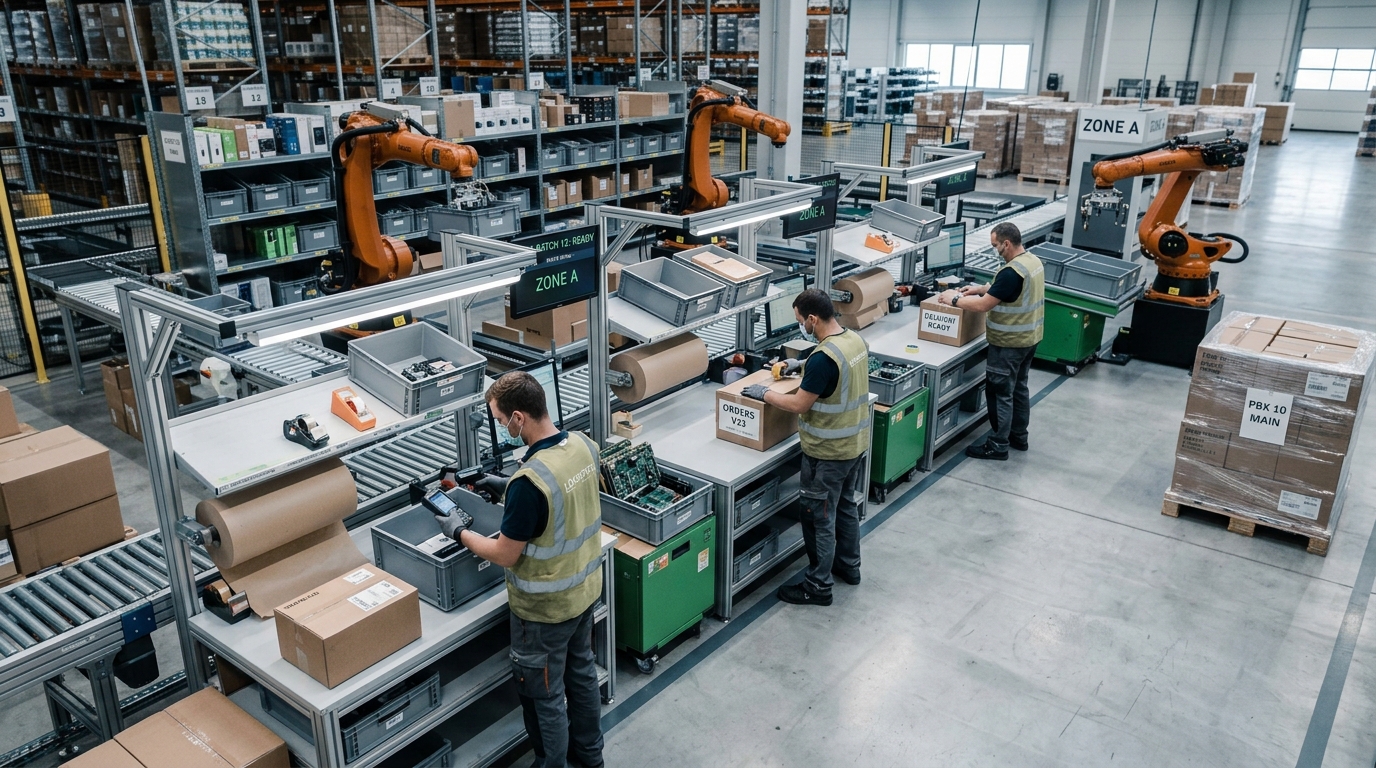
The logistics warehouse plays a fundamental role in the proper functioning of the supply chain. Nestled between the production and distribution processes, it allows adding value to our company’s logistics while optimizing costs and improving the service offered to the end customer. The logistics warehouse is a space that must ensure a stable flow of goods and information. In addition, it must have as its fundamental objective the optimization, improvement and measurement of its processes. What are the fundamental tasks of these warehouses? Functions of the logistics warehouse From the arrival of the merchandise to its departure, the logistics warehouse performs numerous functions necessary for the supply chain. Entry: the…
-
Cross Docking, injection of speed for your logistics
Cross docking is not a new technique. However, current logistics trends mean that it is being used more and more. It is, for example, an indispensable ally for those seeking to reduce and even eliminate their stocks. And it is essential for companies that want to build Just in Time supply chains. Definition of Cross Docking Cross Docking is the process by which a certain merchandise enters a warehouse and, without being stored, is managed for shipment in the shortest possible time. Living up to its name -dock crossing-, the idea is to avoid all the processes and costs derived from storage in favor of maintaining a fluid movement of…
-
Blockchain and logistics; the future of supply chain
Blockchain, the data-recording technology behind the virtual currency Bitcoin, is all the rage. This new technology, which makes data transmission and storage more reliable by preventing its modification once it has been recorded, is breaking into many sectors, but not everyone is clear about what it is and what benefits it can bring us. . How can blockchain help logistics? In order to learn about the applications of blockchain in logistics and in the business world, we have interviewed Germán Sánchez, an expert in Blockchain from IBM Spain, after his participation in the Logistics 2017 fair. A walk so you can learn about the future of blockchain and Supply Chain.…
-
Machine learning and logistics
Artificial intelligence is already a reality. The miracle of the machines that think occurs daily and the amount of researchers and investment behind it suggests that it will have a great future. Machine learning, or automatic learning, is one of its branches and it is going to give a lot of talk in the world of logistics due to its ability to refine demand predictions, fight against the bullwhip effect and to help in planning supply chains. What is machine learning Machine learning is the analysis process that allows computers to extract knowledge from huge amounts of data, without needing to be specifically programmed where and how to search. Machine…
-
Incoterms: What Are They and What Are They Used For?
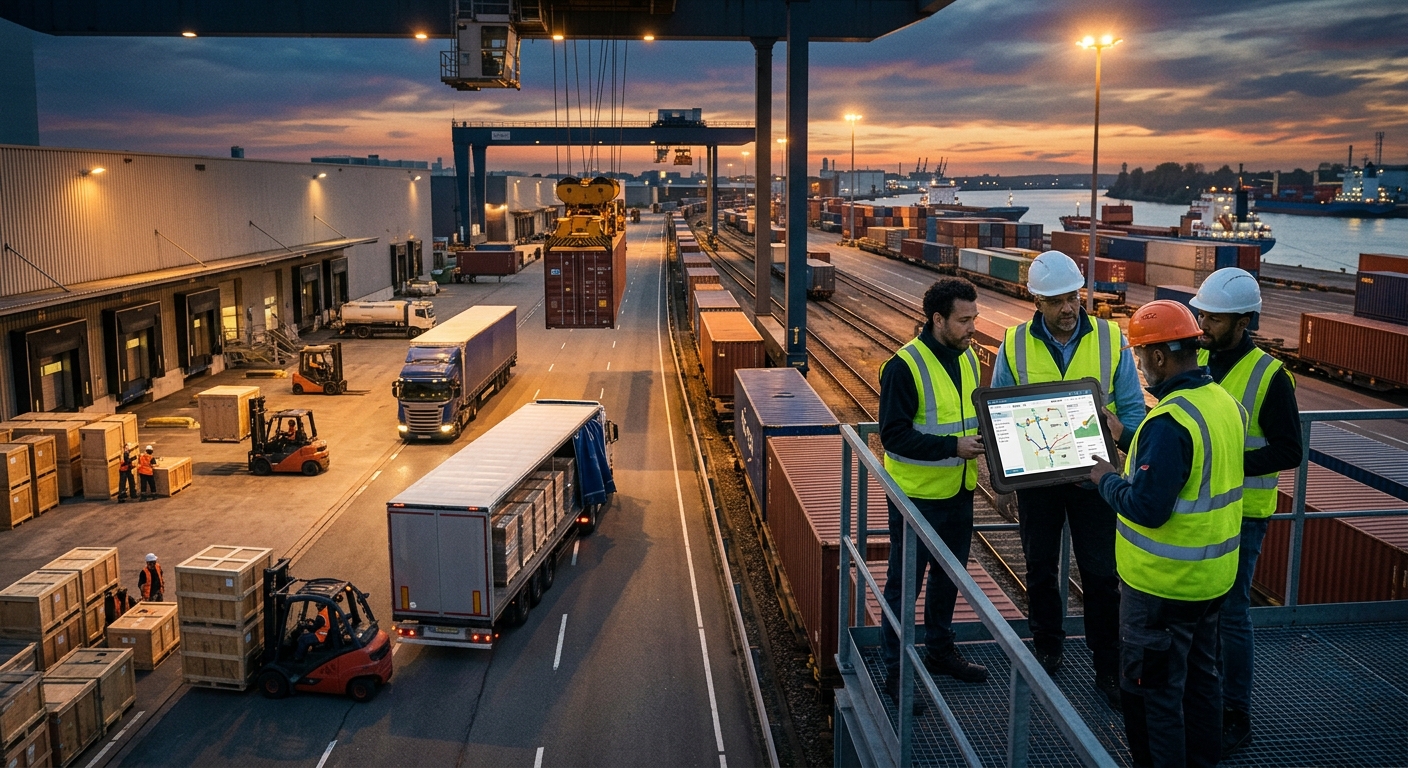
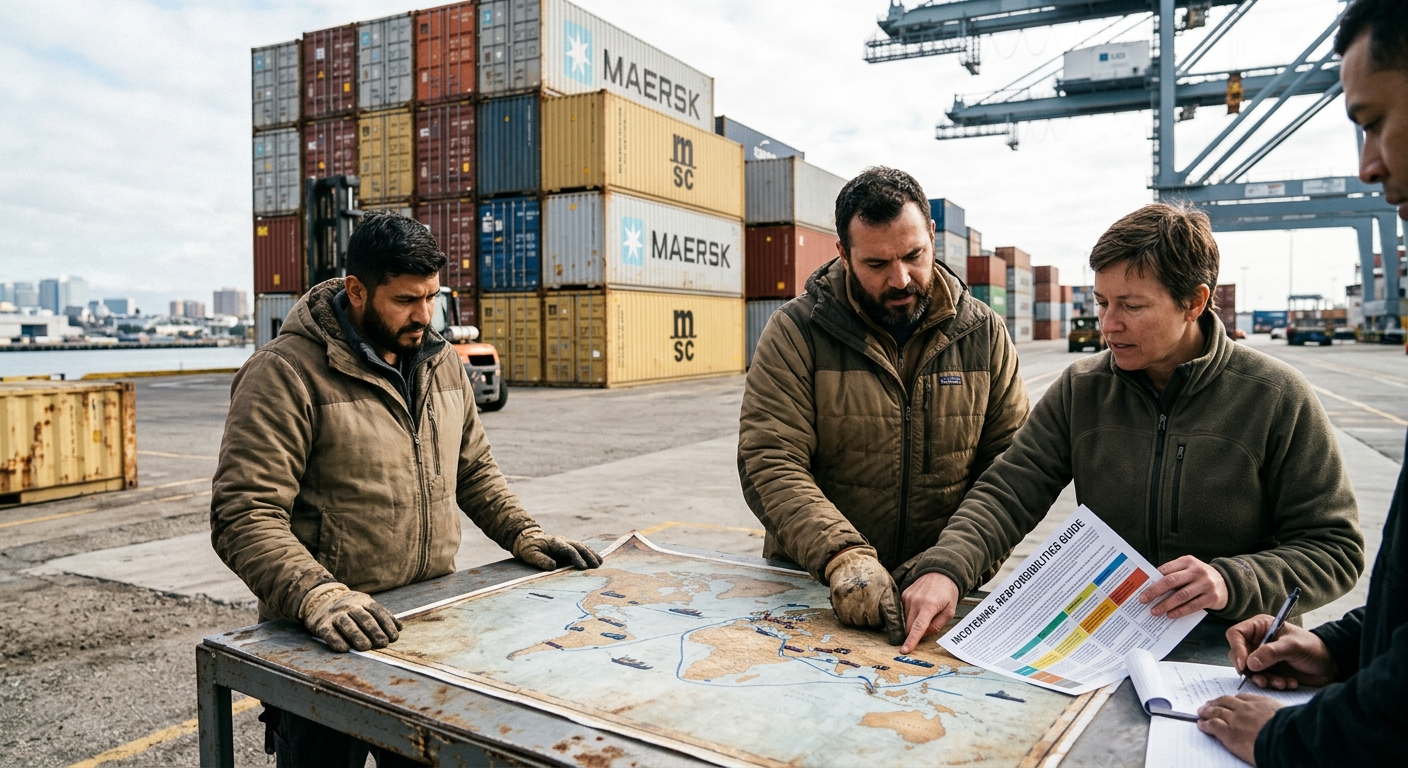
International trade can look deceptively simple from the outside. A seller ships merchandise to a buyer, the buyer receives it, and payment changes hands. Yet between those two events lies a dense web of responsibilities involving transportation, insurance, customs, documentation, loading, unloading, and risk. Who pays for the main carriage? Who arranges export clearance? At what point does the risk of loss transfer from seller to buyer? Who is responsible if goods are damaged during transit? These questions become especially important when a transaction crosses national borders. This is where incoterms enter the picture. Incoterms provide standardized commercial rules that help buyers and sellers understand who is responsible for specific…
-
How to improve your logistics management
When we talk about logistics, images of trucks, packages, warehouses, trailers, delivery notes, orders, indicators, decisions immediately come to mind… A great hodgepodge of things that need to be put in order. And that is where logistics management comes into play, which is what will make the difference in the results that your supply chain achieves. What is logistics management If logistics is the execution of your supply chain processes, logistics management is the act of stopping, raising your head, and coming up with a plan to make your supply chain really work and be efficient. Realizing why we do what we do and what steps we are going to…
-
9 ways in which a logistics operator can help your business grow
Business competition has no end. Every day, companies around the world fight for customer approval in a battle that will start all over again the next morning. And, in order to win, the relationship with your logistics operator is often essential. It is not enough for firms to improve what they did yesterday, but they are forced to reinvent themselves and go further. To open up to new markets and offer new services. That is why we have compiled nine of the aspects in which a logistics operator can help your company to take the step to the next level. How a logistics operator drives companies 1.- It helps you…
-
Logistics 4.0 for Industry 4.0
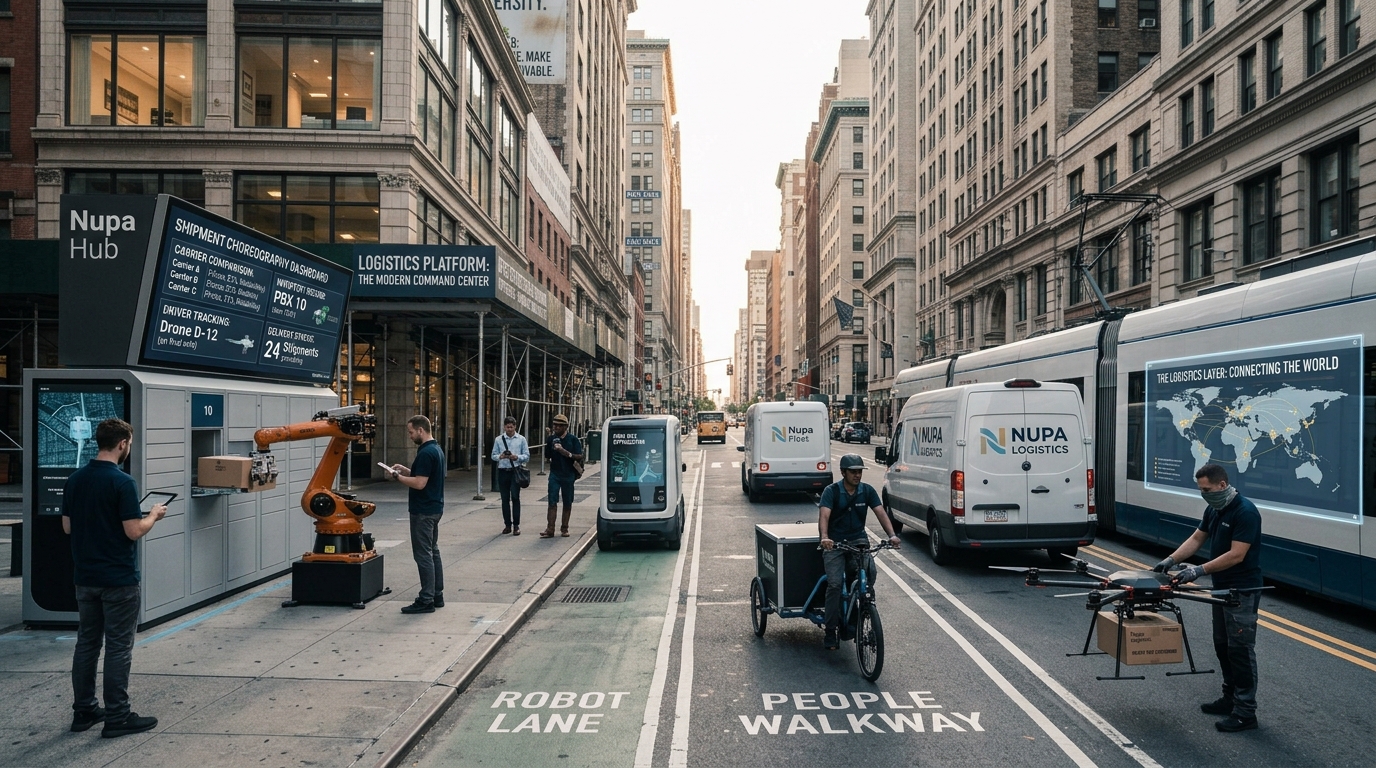
What is Logistics 4.0? In a world in which the number of acronyms and new terms does not stop growing, there are few that finally remain in time due to their usefulness. If we go by its importance, Logistics 4.0 has many chances to be long-lived, since it will be essential in the latest revolution in the business world: Industry 4.0. Industry 4.0 is the name by which the fourth industrial revolution is known. The first, which began in the 18th century, arose with the application of steam to manufacturing processes. The second, in the 19th century, has electricity and chain production as protagonists; while the third, in the last…