-
What You Need to Know About the New Merchandise Stowage Law
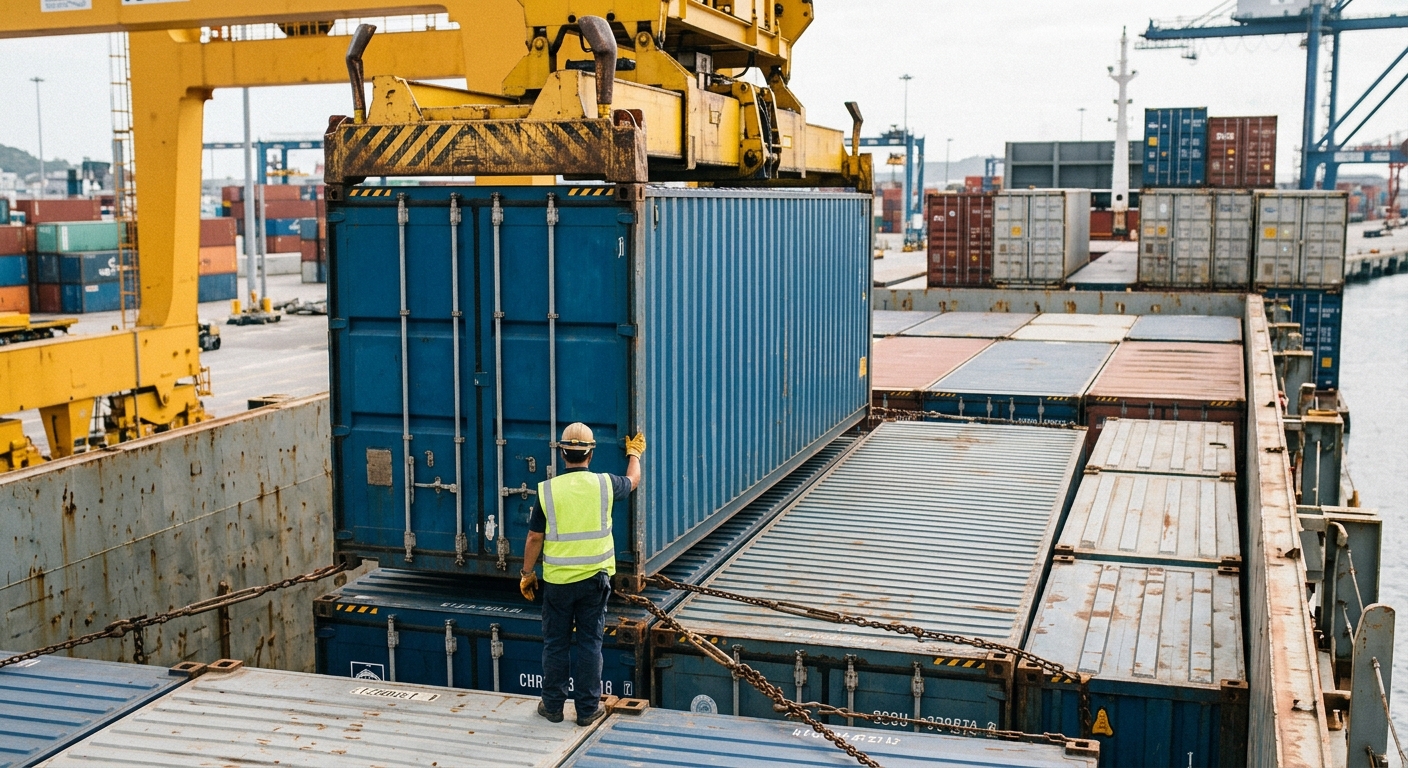
When merchandise is transported by sea, the way cargo is loaded and secured is not simply an operational detail. It can affect vessel stability, cargo integrity, crew safety, insurance exposure, contractual liability, and the legal responsibilities of carriers and shippers. That is why changes involving cargo stowage deserve careful attention. However, there is an important distinction to make at the outset: there is no single, universally recognized U.S. statute formally titled the “new merchandise stowage law.” Rules governing the loading, handling, stowage, securing, custody, and delivery of merchandise can arise from several sources, including maritime statutes, regulations, international conventions, cargo-securing requirements, and contractual terms. For example, U.S. maritime law currently…
-
Seven Things That Everyone Should Know About Transporting Pallets
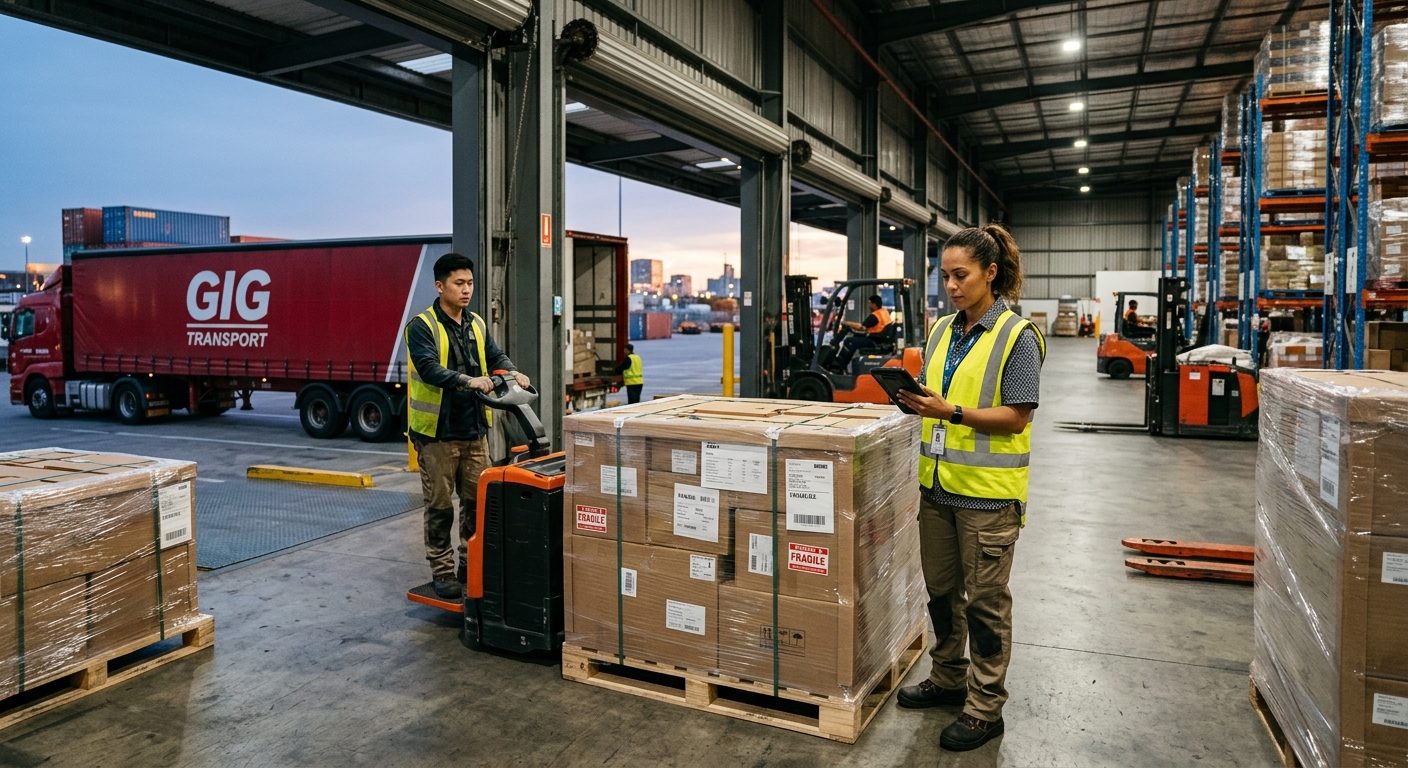
Pallets are among the most unassuming pieces of logistics infrastructure. They are simple platforms, often made from wood, plastic, or composite materials, yet they underpin an enormous proportion of modern freight movement. From manufacturing plants and agricultural operations to warehouses, retailers, and distribution centers, pallets make it possible to consolidate individual products into stable, manageable loads. They facilitate mechanical handling, improve storage density, and create a standardized interface between warehouses and transportation equipment. Yet transporting a pallet is not simply a matter of placing goods on a wooden platform and calling a carrier. Weight, dimensions, packaging, loading methods, route characteristics, freight classification, insurance, and delivery requirements can all influence the…

Let's Live Life Better