-
Logistics as a Competitive Advantage
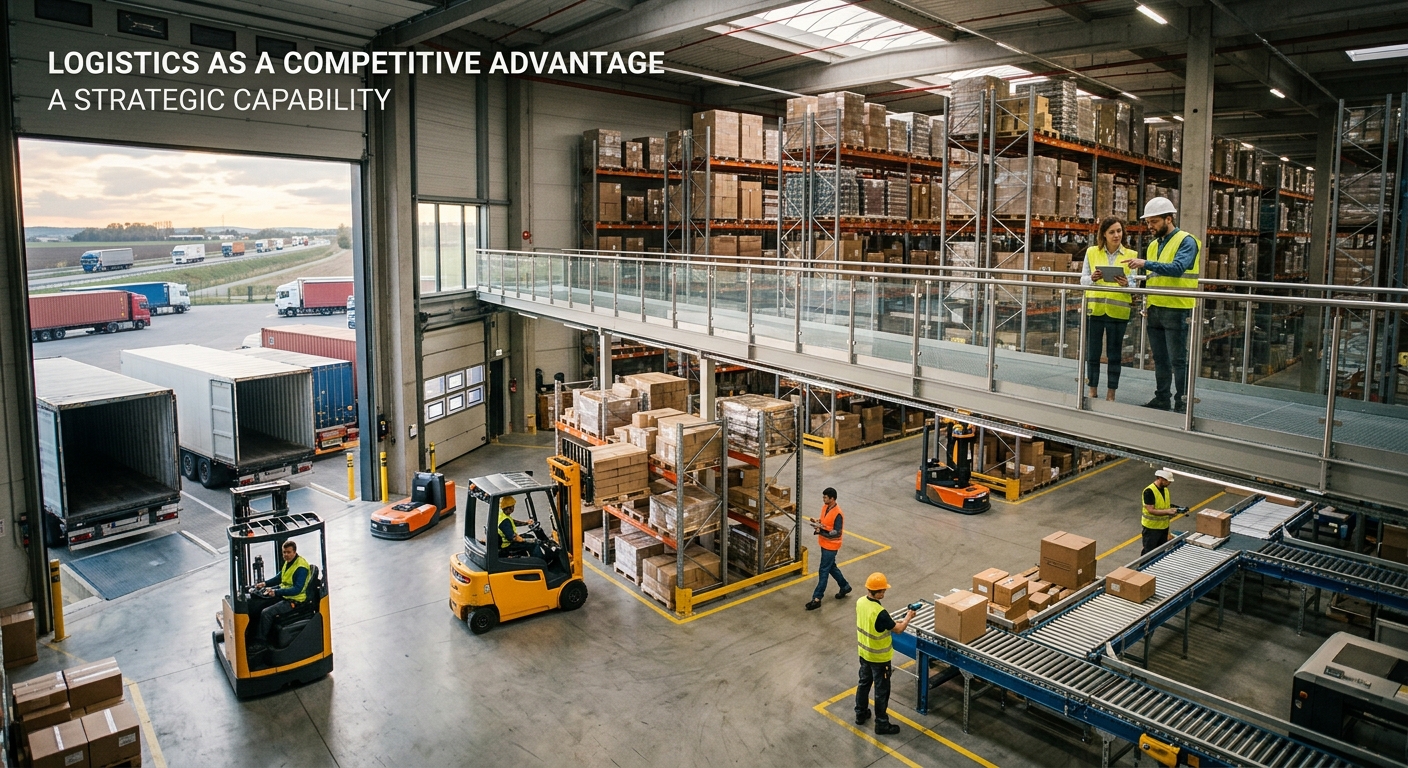
In a competitive market, companies often focus on the obvious sources of differentiation: product quality, pricing, branding, technology, or customer service. Yet there is another factor quietly influencing all of them—the ability to move products, materials, information, and resources efficiently. That factor is logistics. A company can develop an excellent product, market it brilliantly, and generate strong demand. But if the product arrives late, costs too much to deliver, repeatedly goes out of stock, or cannot be returned conveniently, the customer experience deteriorates rapidly. This is why logistics should not be regarded merely as an operational necessity. When designed strategically, it can become a genuine competitive advantage. Understanding what is…
-
The Problem of Balancing Demand and Supply
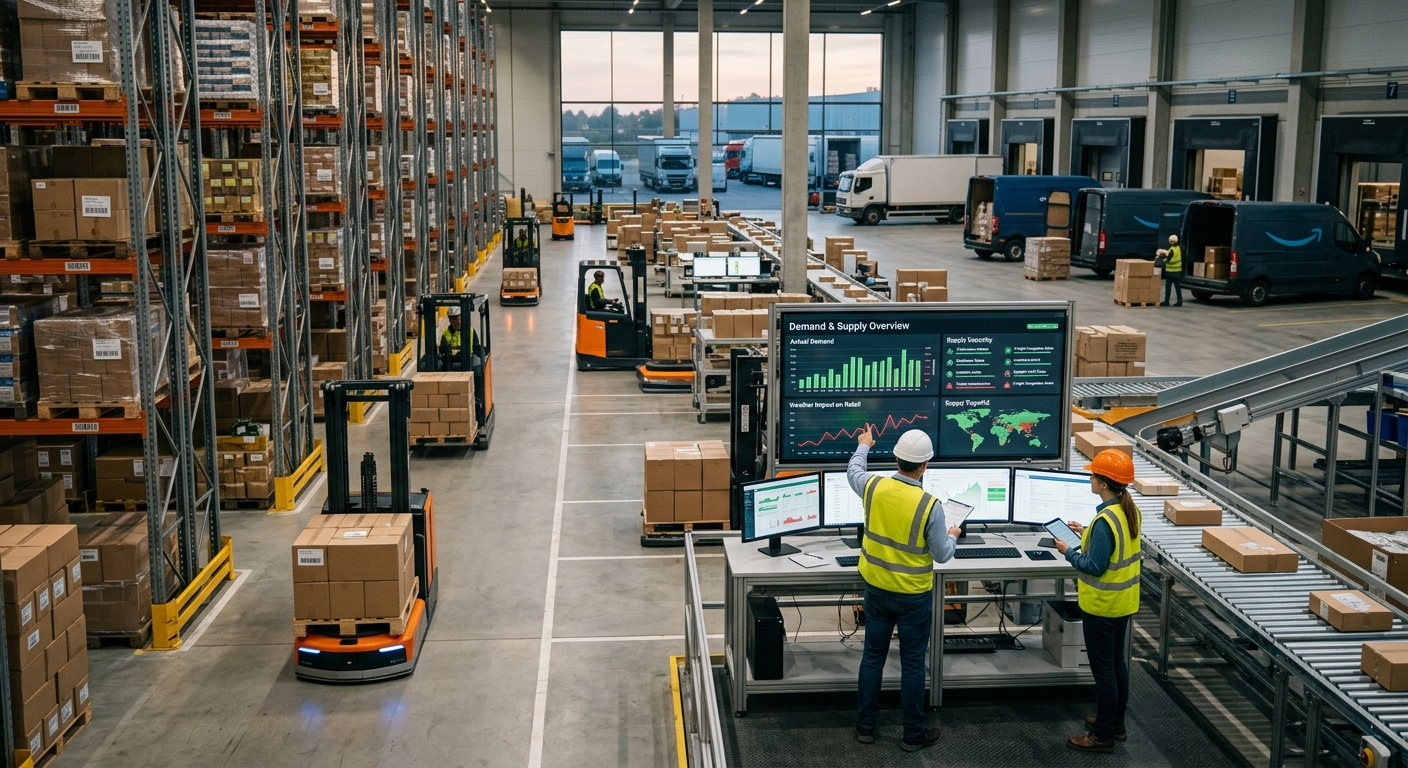
Balancing demand and supply is one of the most persistent challenges in business. Every organization that produces, distributes, sells, or purchases goods and services faces the same fundamental question: how much should be available, and when should it be available? The question sounds straightforward. The answer rarely is. Demand fluctuates. Customers change their preferences. Suppliers experience delays. Production capacity has limits. Transportation networks become congested. Economic conditions shift. Seasonal patterns appear and disappear. Even unexpected weather can transform purchasing behavior within hours. This makes the balancing of supply and demand less like a static calculation and more like a continuous act of calibration. Too much supply can create excess inventory,…
-
Globalization vs. Localization in Logistics
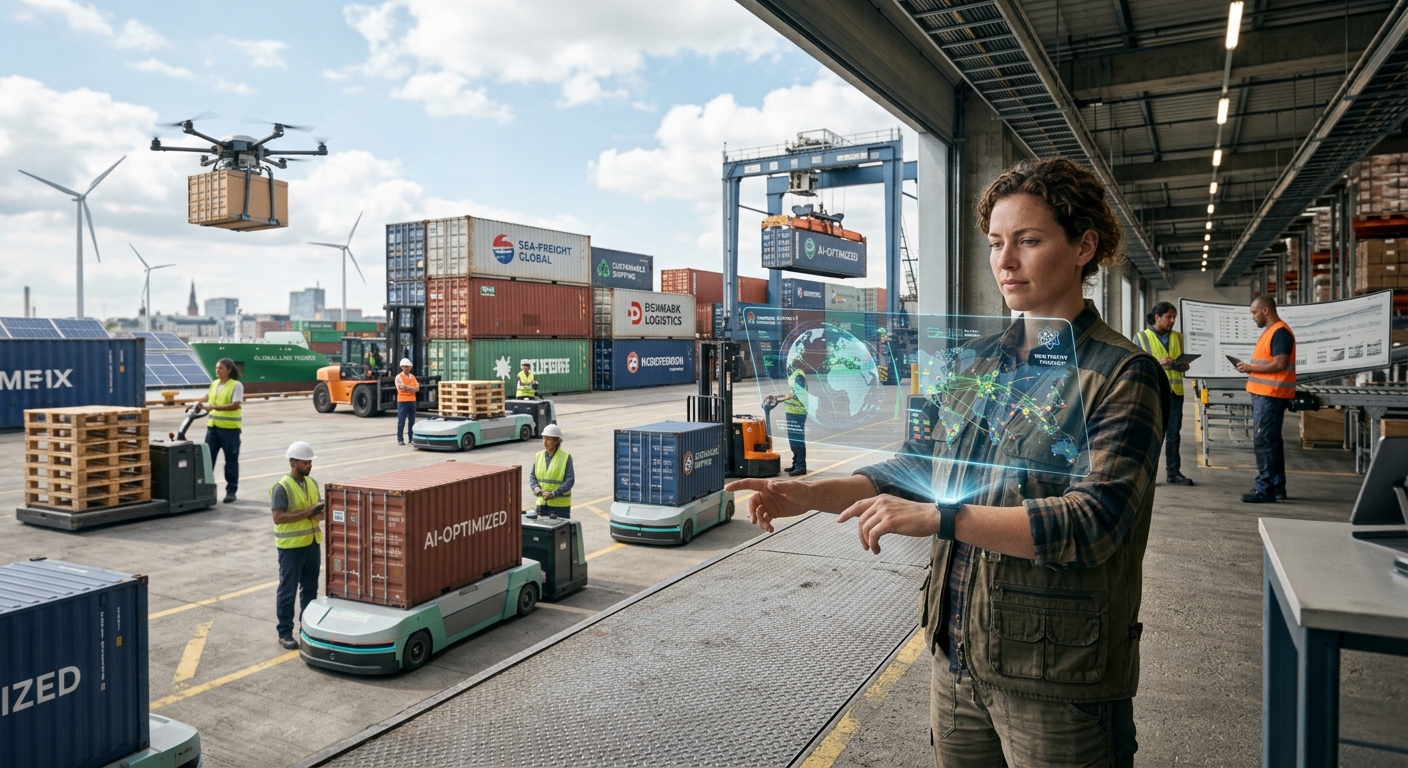
Logistics has always been shaped by geography. Products must cross borders, navigate infrastructure, comply with regulations, and reach customers through physical networks. Yet the strategic question facing many organizations today is no longer simply how to build the largest or cheapest international network. It is a more fundamental question: Should a business prioritize globalization, localization, or a deliberate combination of both? For decades, globalization was the dominant model. Companies sourced materials from distant suppliers, concentrated manufacturing in cost-efficient regions, and established international distribution networks. The logic was compelling: greater scale could reduce unit costs, while global sourcing could provide access to specialized capabilities and competitive labor markets. However, modern supply…

Let's Live Life Better