-
How New Trends Will Mark the Future of the Supply Chain
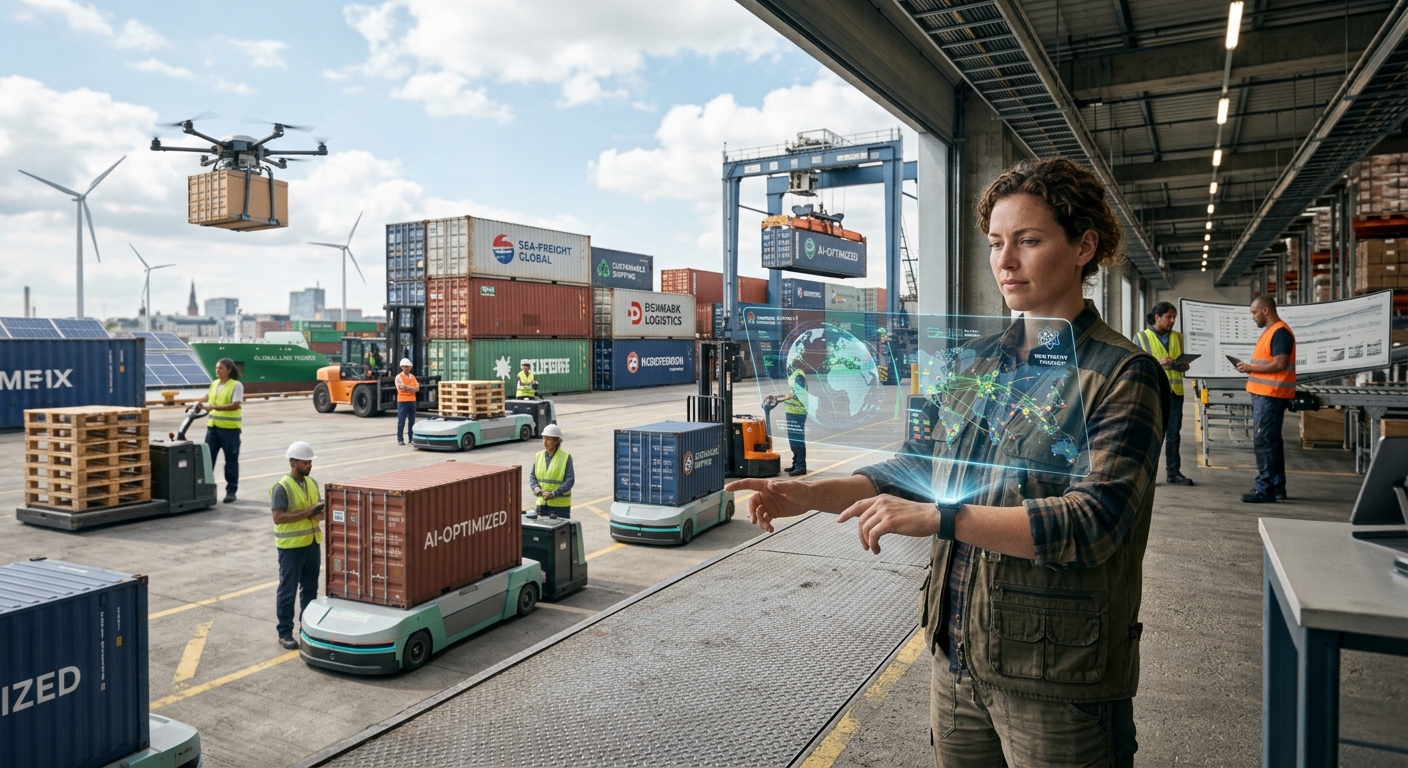
Supply chains are entering an era of profound transformation. For decades, supply chain management was largely associated with procurement, transportation, warehousing, inventory, and cost control. Those functions remain essential, but the operating environment has changed dramatically. Customers expect faster fulfillment. Markets fluctuate rapidly. Geopolitical uncertainty can disrupt established sourcing patterns. Climate-related events can affect infrastructure and production. At the same time, artificial intelligence, automation, connected devices, and advanced analytics are changing how businesses make decisions. The future supply chain will therefore be defined not simply by moving products more efficiently, but by anticipating change before it becomes disruption. This is where innovation supply chain management becomes strategically important. Innovation is…
-
Logistical Agility, Life Insurance Against the Unexpected
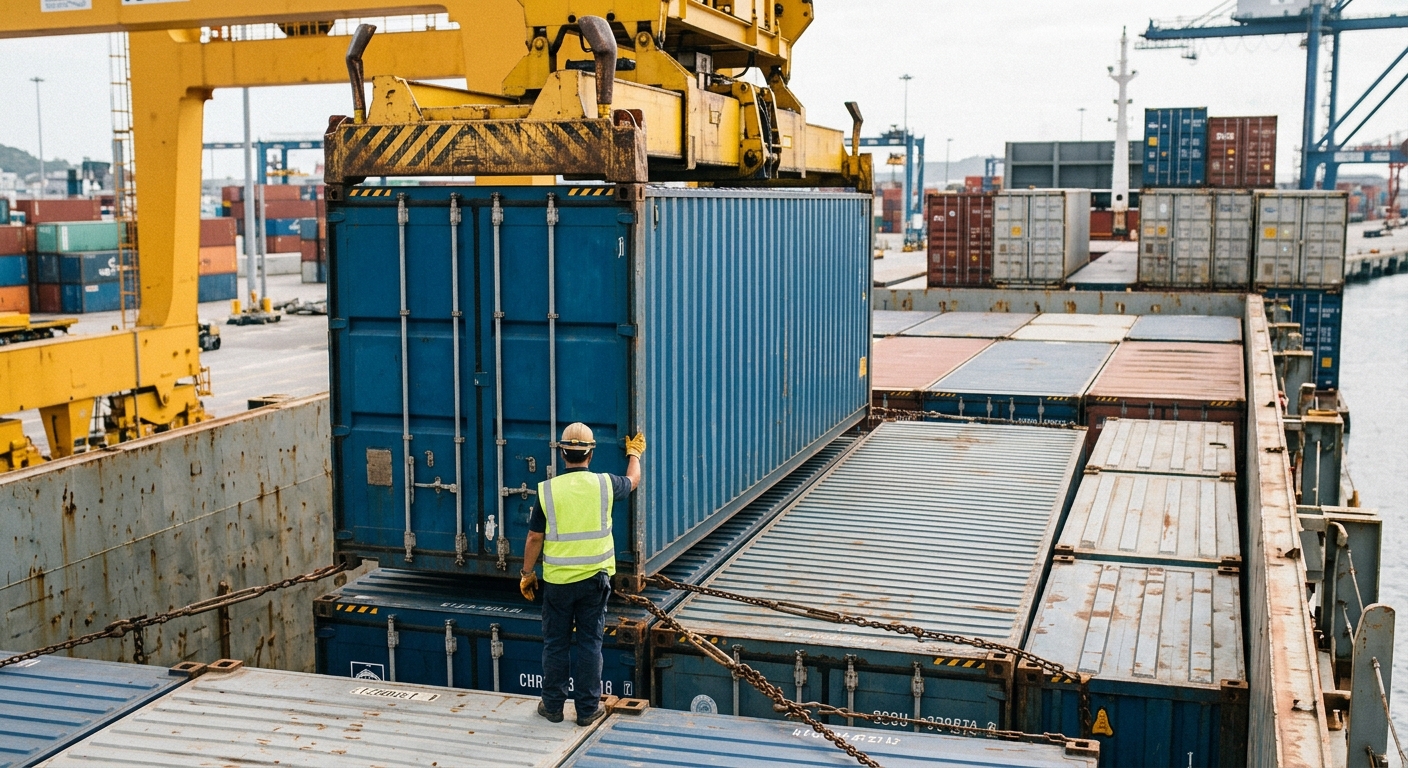
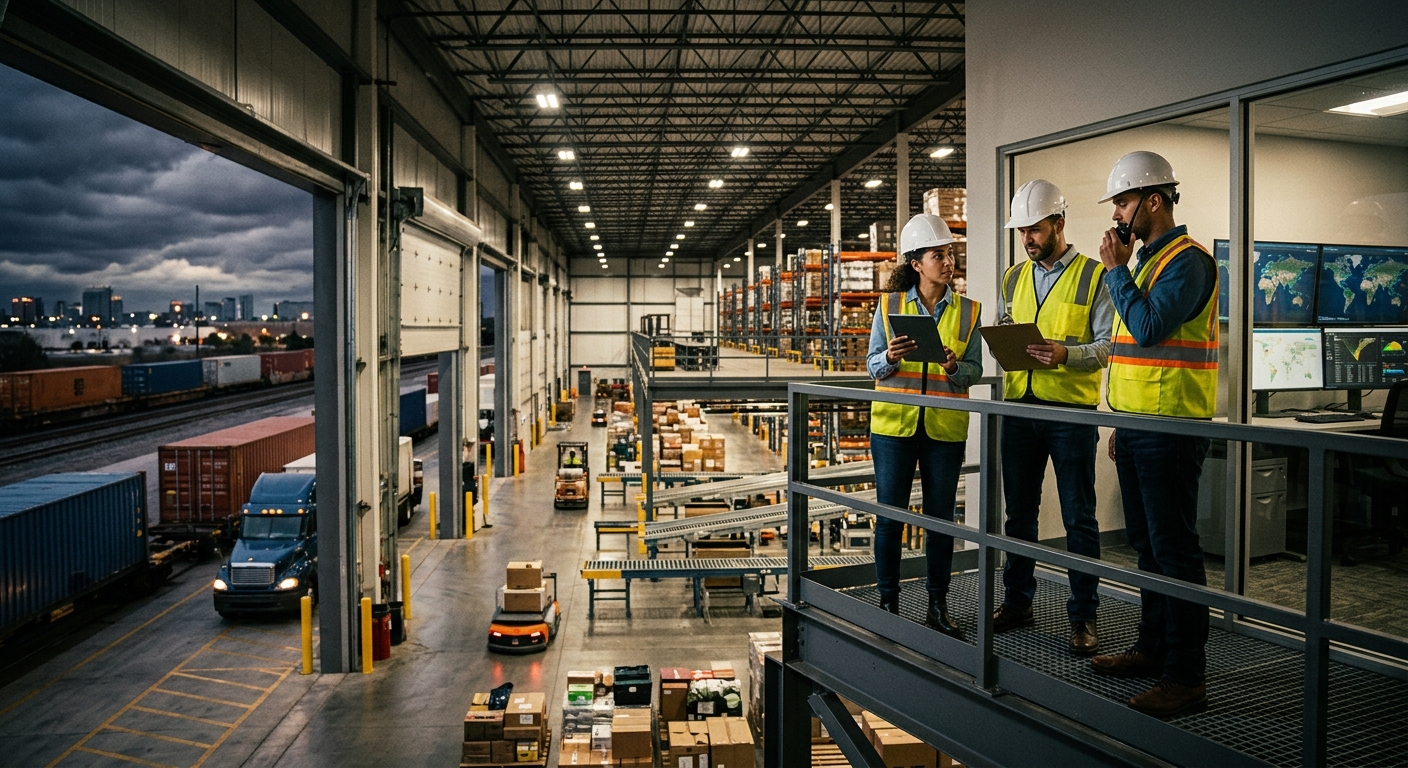
Modern supply chains operate in an environment where certainty is increasingly elusive. Demand can change abruptly. Ports can become congested. Suppliers can experience production failures. Extreme weather can interrupt transportation networks, while geopolitical tensions can redraw established trade routes almost overnight. For businesses that depend on the continuous movement of goods, these events are more than temporary inconveniences. They can affect production, revenue, customer relationships, inventory levels, and reputation. This is where logistical agility becomes invaluable. Agility is the capacity to adapt rapidly when circumstances change without allowing the entire operation to become destabilized. It is not simply about moving faster. It is about having enough visibility, flexibility, redundancy, and…

Let's Live Life Better