-
Just in Case: When Not Everything Is Just in Time
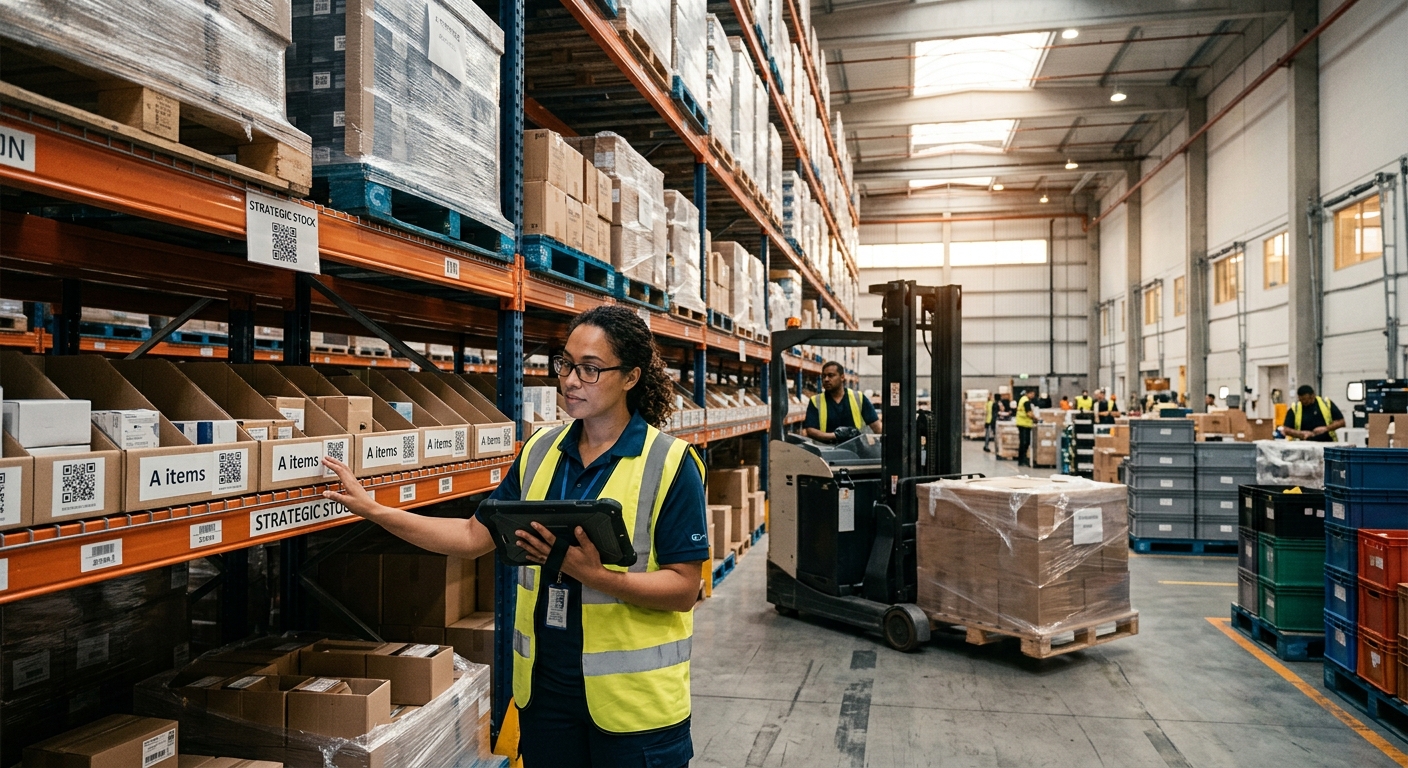
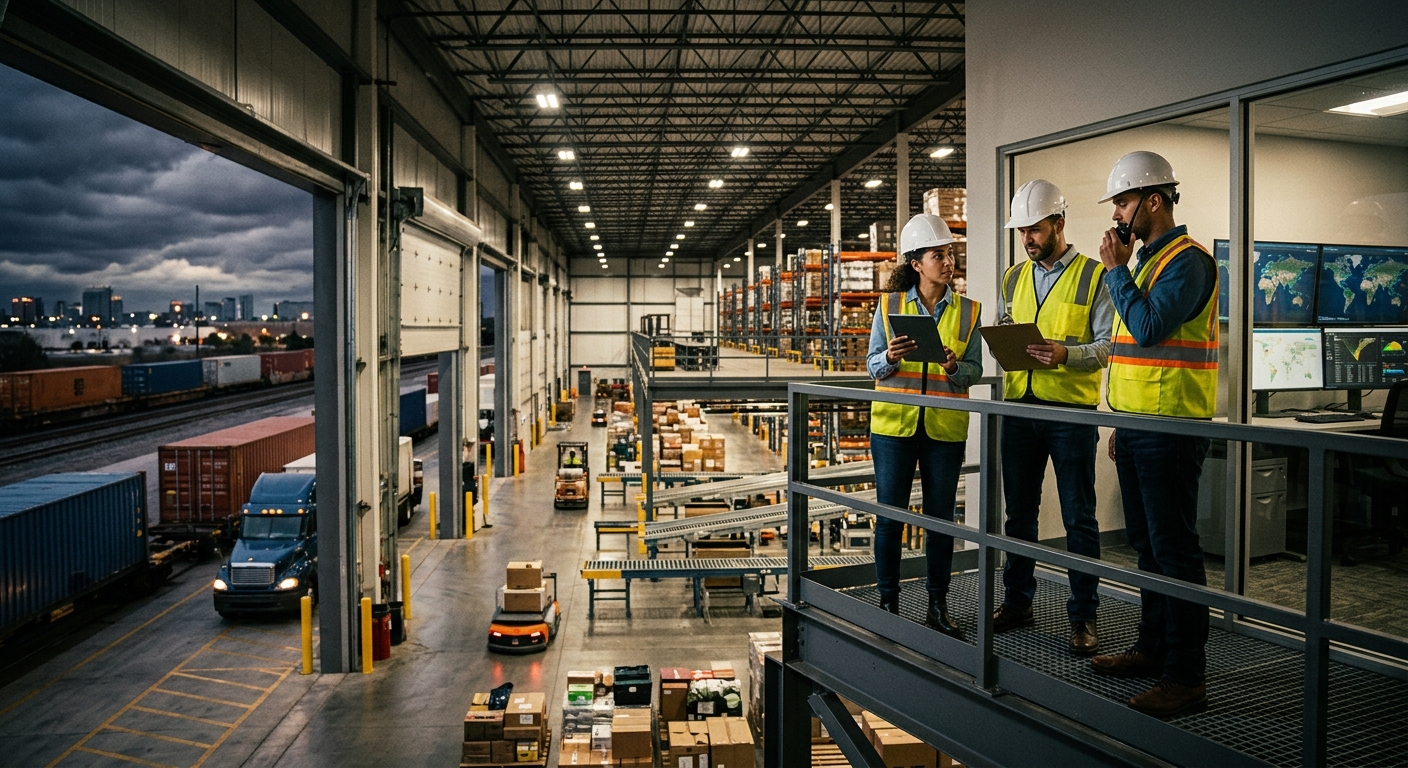
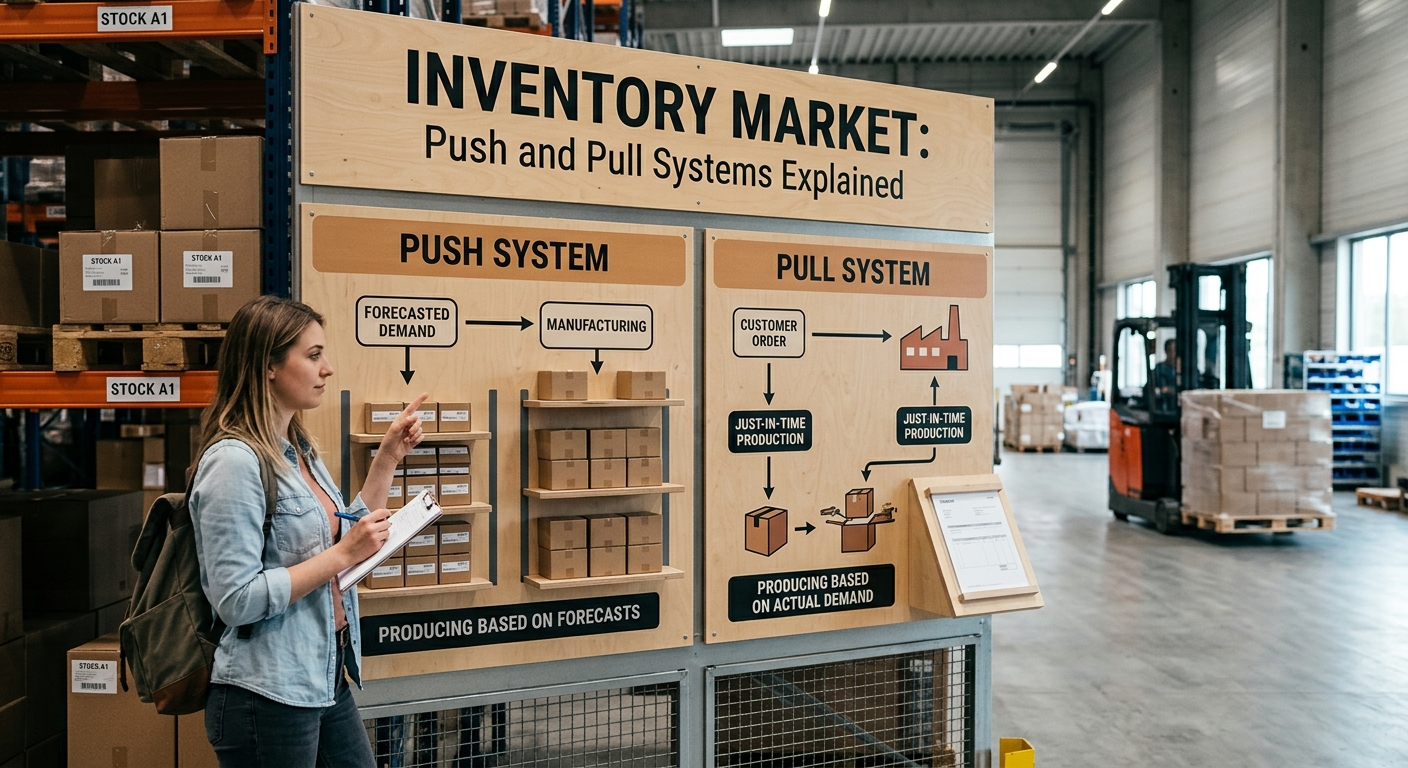
For decades, efficiency has been one of the great organizing principles of modern logistics. Businesses have learned to reduce unnecessary inventory, shorten lead times, optimize warehouse space, streamline transportation, and synchronize purchasing with actual demand. The philosophy is compelling. Why store ten thousand units when only two thousand are expected to sell? Why occupy valuable warehouse space with products that may remain untouched for months? Why tie up capital in inventory when suppliers can replenish stock precisely when it is needed? This thinking gave rise to the celebrated just-in-time approach. But supply chains do not operate in a vacuum. Disruptions happen. Suppliers experience shortages. Ports become congested. Weather interferes with…
-
Heijunka or the leveling of production
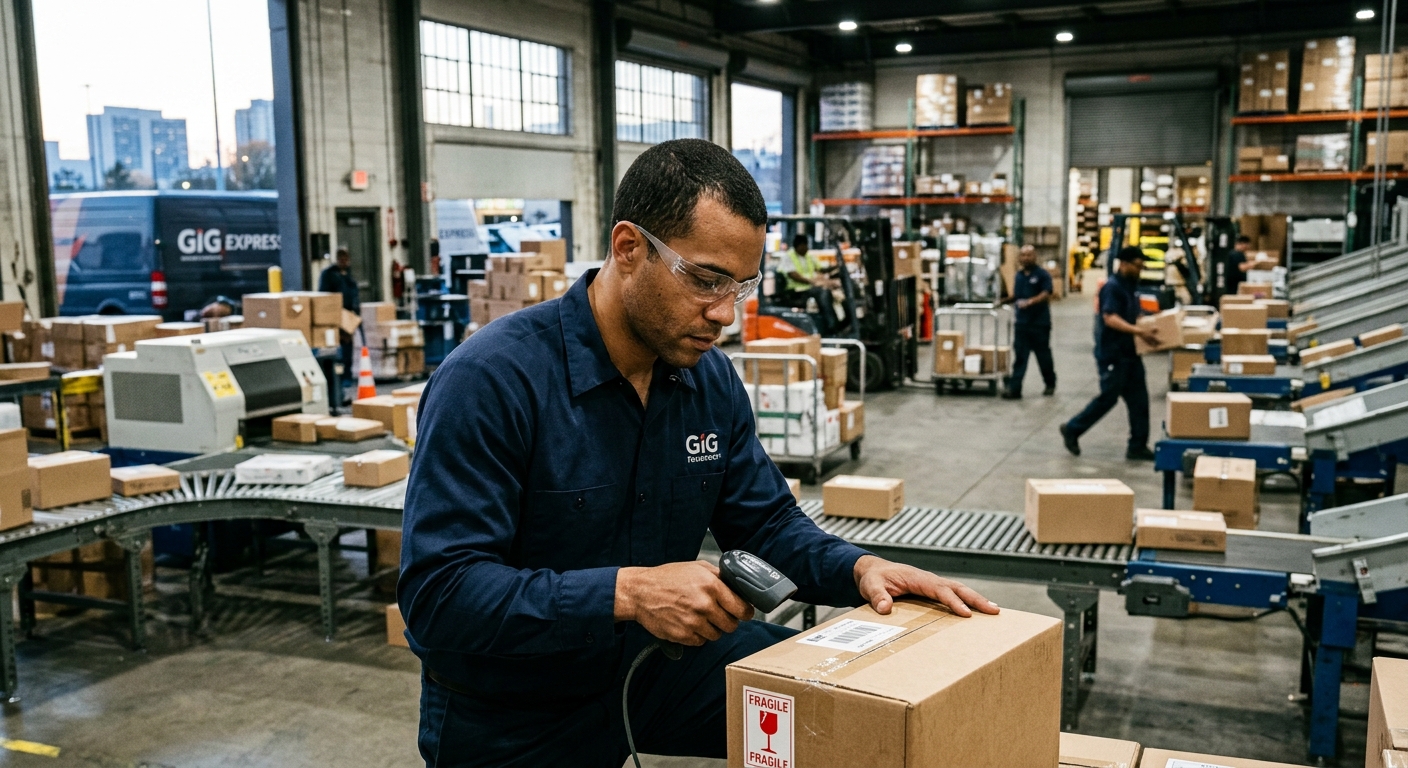
Lean Manufacturing is one of the great manufacturing models of today and we have already talked about it on several occasions. Today we are going to stop at one of the bricks that usually make up the Lean manufacturing and Just in Time building: the Heijunka. This technique of Japanese origin, which can be translated as production leveling, is created to try to mitigate the effects of variations in demand in the production chain. This leveling refers to a more balanced production among numerous SKUs, instead of dealing with large quantities of the same SKU until moving on to the next, within a usually smaller number of SKUs. Why Heijunka?…

Let's Live Life Better