-
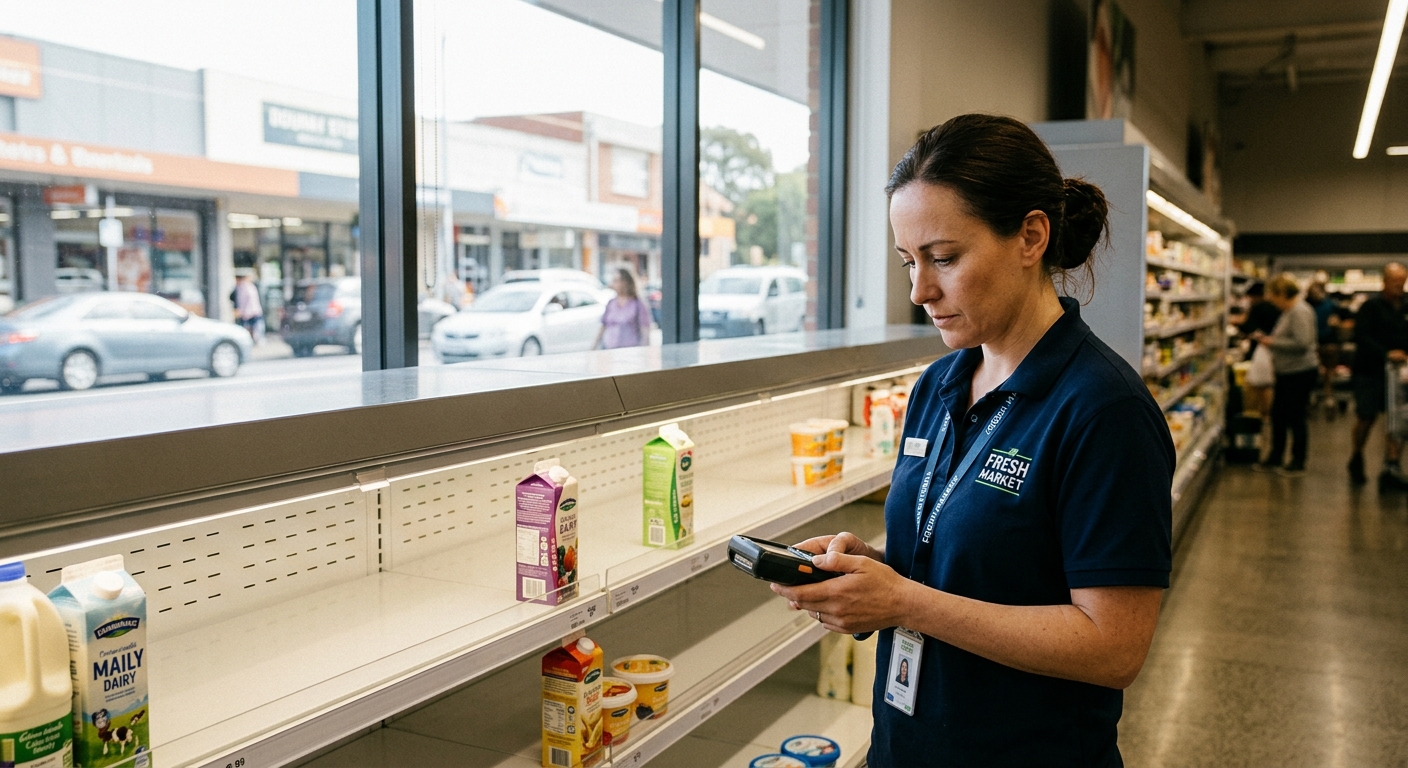
The Hidden Consequences of Stockouts: Why Empty Shelves Cost More Than You Think
A product that is not available when a customer wants it may appear to create a simple problem: one missed sale. In reality, the consequences can be considerably more extensive. Stockouts can disrupt sales, damage customer relationships, increase operating costs, create unnecessary administrative work, distort demand data, and even affect the reputation of an entire business. The visible problem is an empty shelf or unavailable product. The invisible consequences can continue long after inventory has been replenished. For retailers, manufacturers, wholesalers, e-commerce companies, and distributors, inventory availability is therefore more than an operational concern. It is a fundamental component of commercial performance. Understanding what happens when inventory disappears is essential…
-
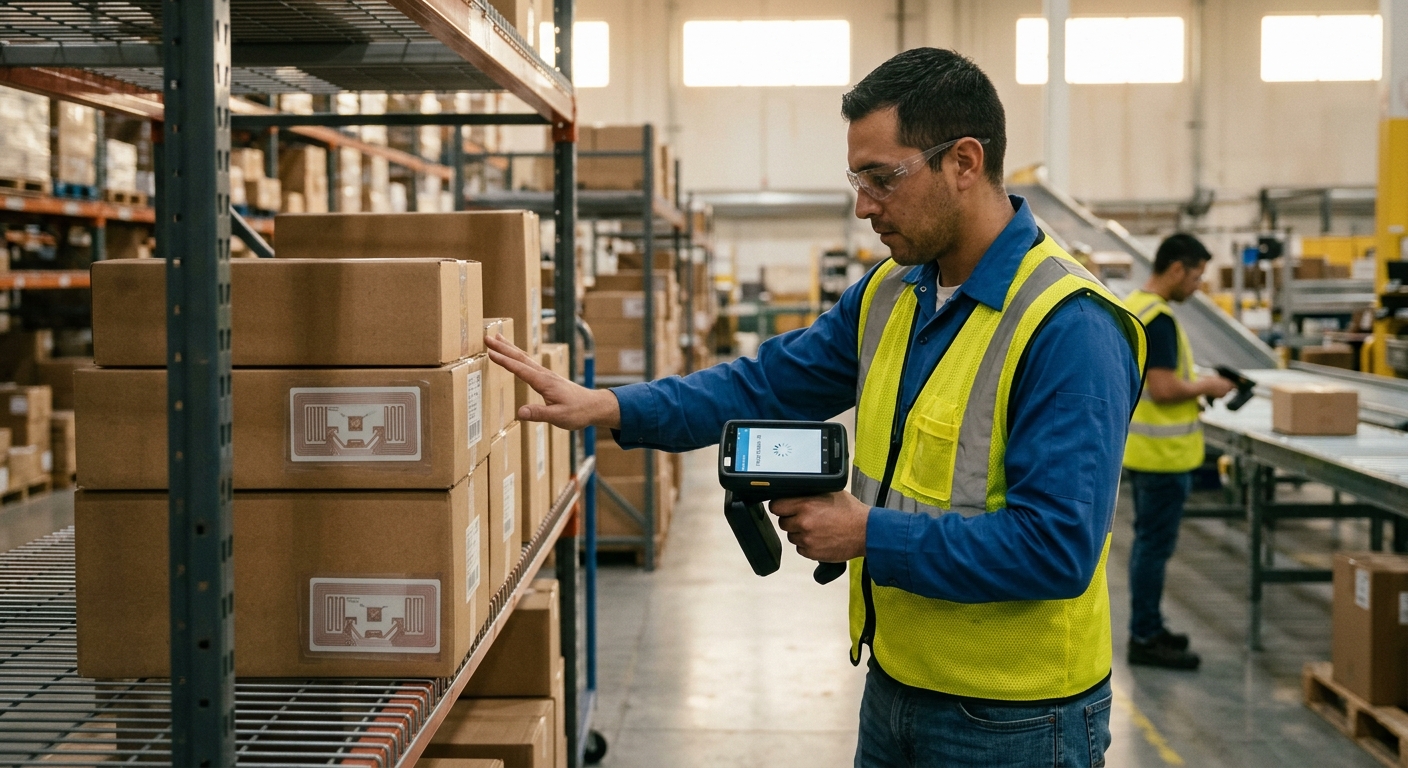
How to Manage the Service Levels of Your Products
In a competitive market, having a good product is only part of the equation. Customers increasingly evaluate what happens around the product: whether it is available when needed, delivered on time, supported after purchase, and accompanied by reliable information. That broader experience is where service levels become strategically important. A product can be technically excellent and still disappoint customers if it is perpetually out of stock, delivered late, difficult to return, or supported inconsistently. Conversely, a well-designed service model can transform an ordinary product into a dependable commercial proposition. Effective service level management provides a structured way to define, measure, monitor, and improve these expectations. It turns vague promises such…

Let's Live Life Better