-
How to Design a Logistics Warehouse
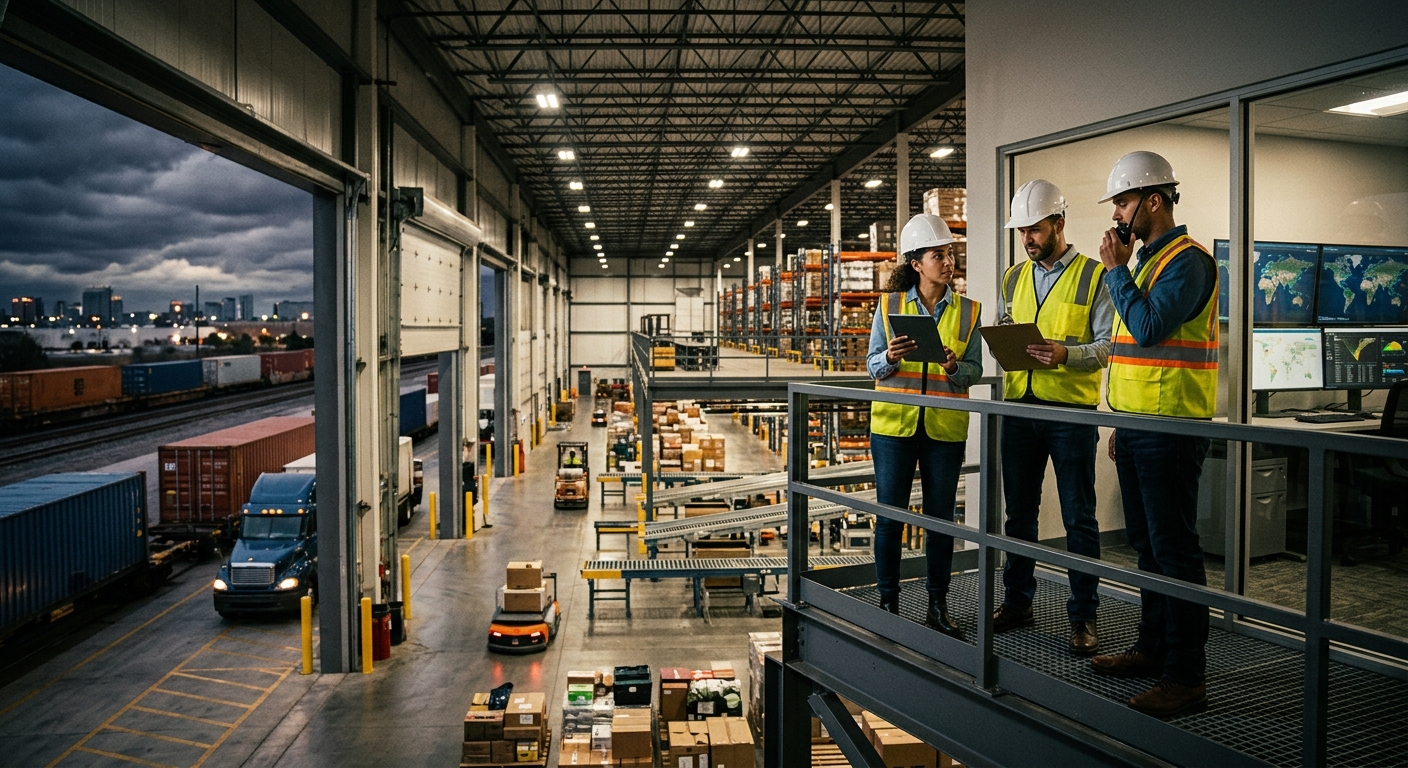
Designing a logistics warehouse is far more than deciding where to put shelves and loading bays. A warehouse is a dynamic operational system in which products, people, information, vehicles, and equipment must move in a coordinated manner. When the design is poor, inefficiencies multiply. Employees walk excessive distances, forklifts cross paths unnecessarily, inventory becomes difficult to locate, receiving areas become congested, and orders take longer to process. A well-designed facility does the opposite: it creates a logical flow that makes the right product available at the right place and at the right moment. Effective warehouse organization therefore begins before the first rack is installed. The objective is to create an…
-
Logistical Agility, Life Insurance Against the Unexpected
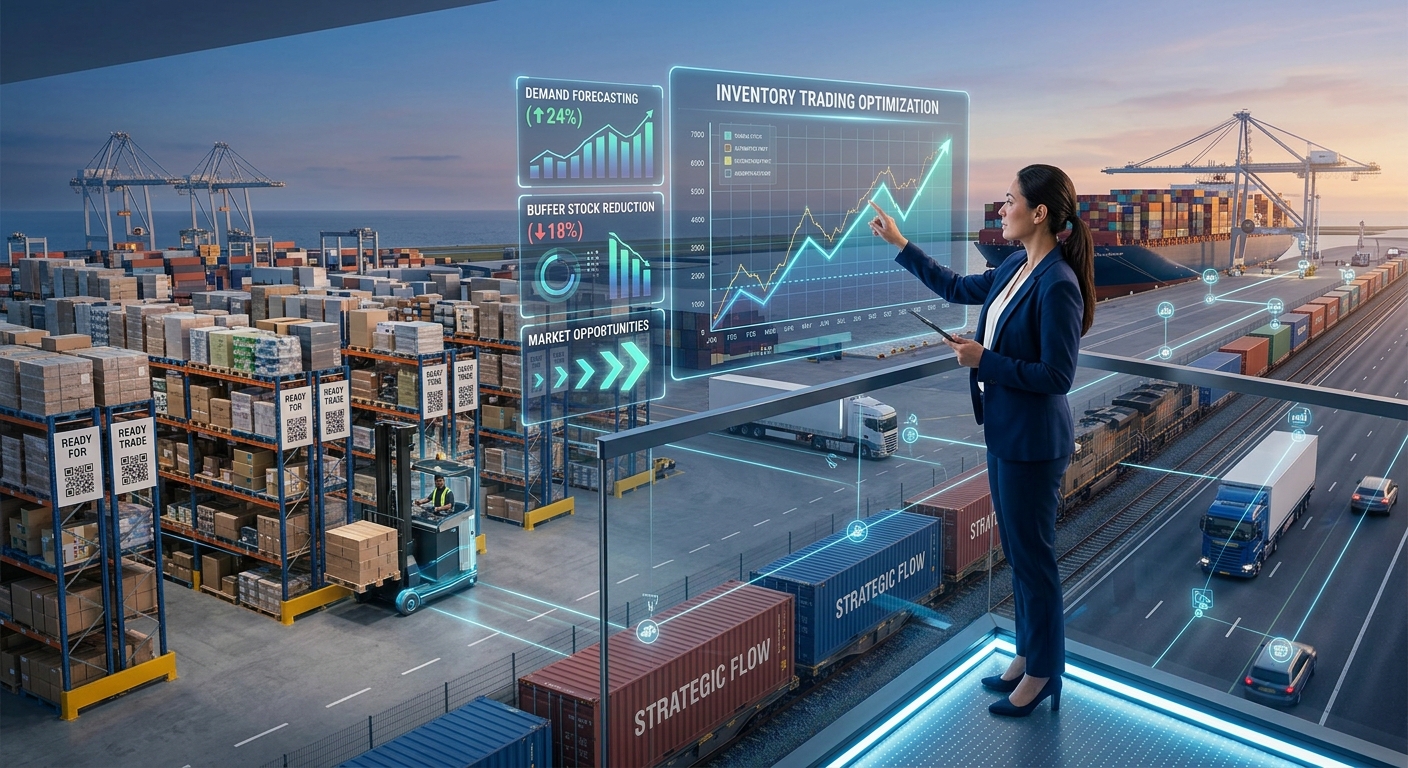
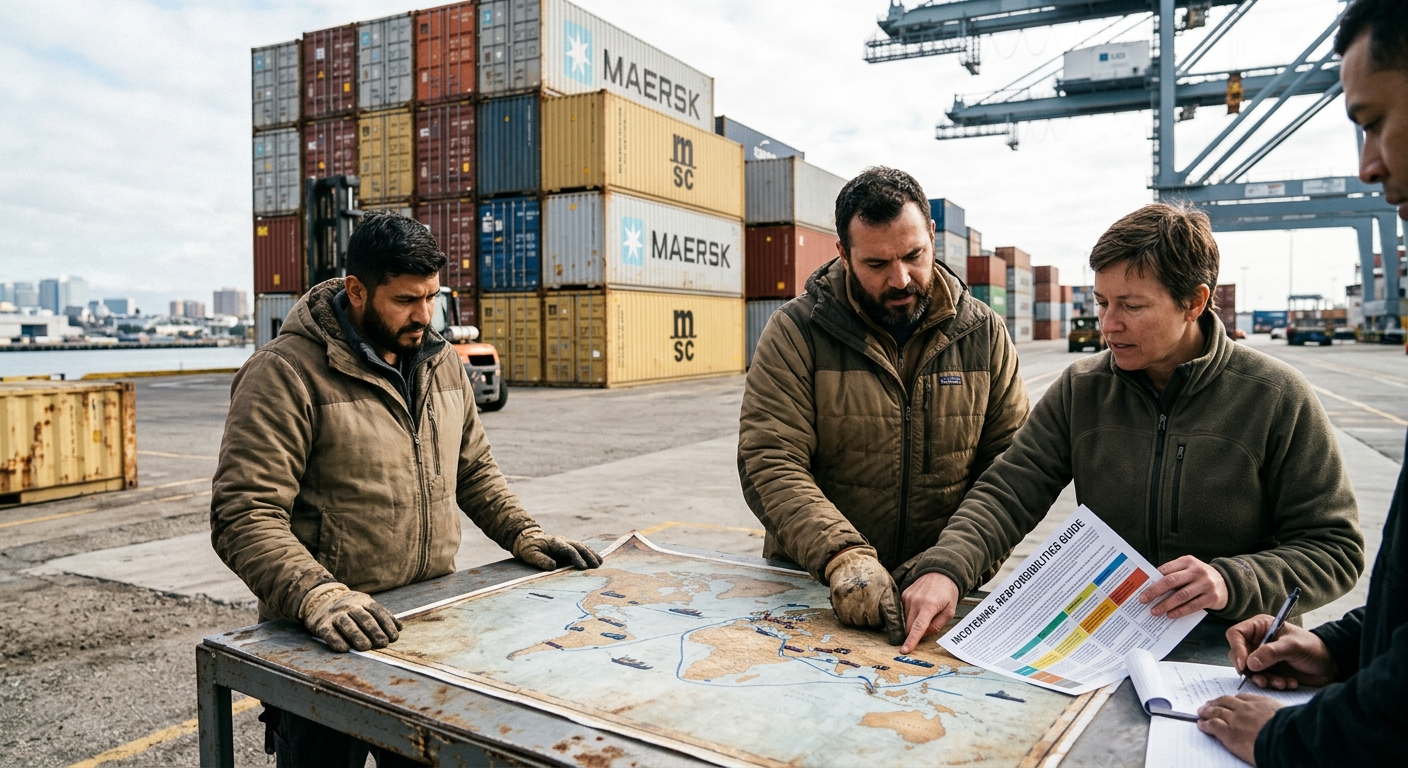
Modern supply chains operate in an environment where certainty is increasingly elusive. Demand can change abruptly. Ports can become congested. Suppliers can experience production failures. Extreme weather can interrupt transportation networks, while geopolitical tensions can redraw established trade routes almost overnight. For businesses that depend on the continuous movement of goods, these events are more than temporary inconveniences. They can affect production, revenue, customer relationships, inventory levels, and reputation. This is where logistical agility becomes invaluable. Agility is the capacity to adapt rapidly when circumstances change without allowing the entire operation to become destabilized. It is not simply about moving faster. It is about having enough visibility, flexibility, redundancy, and…
-
Globalization vs. Localization in Logistics
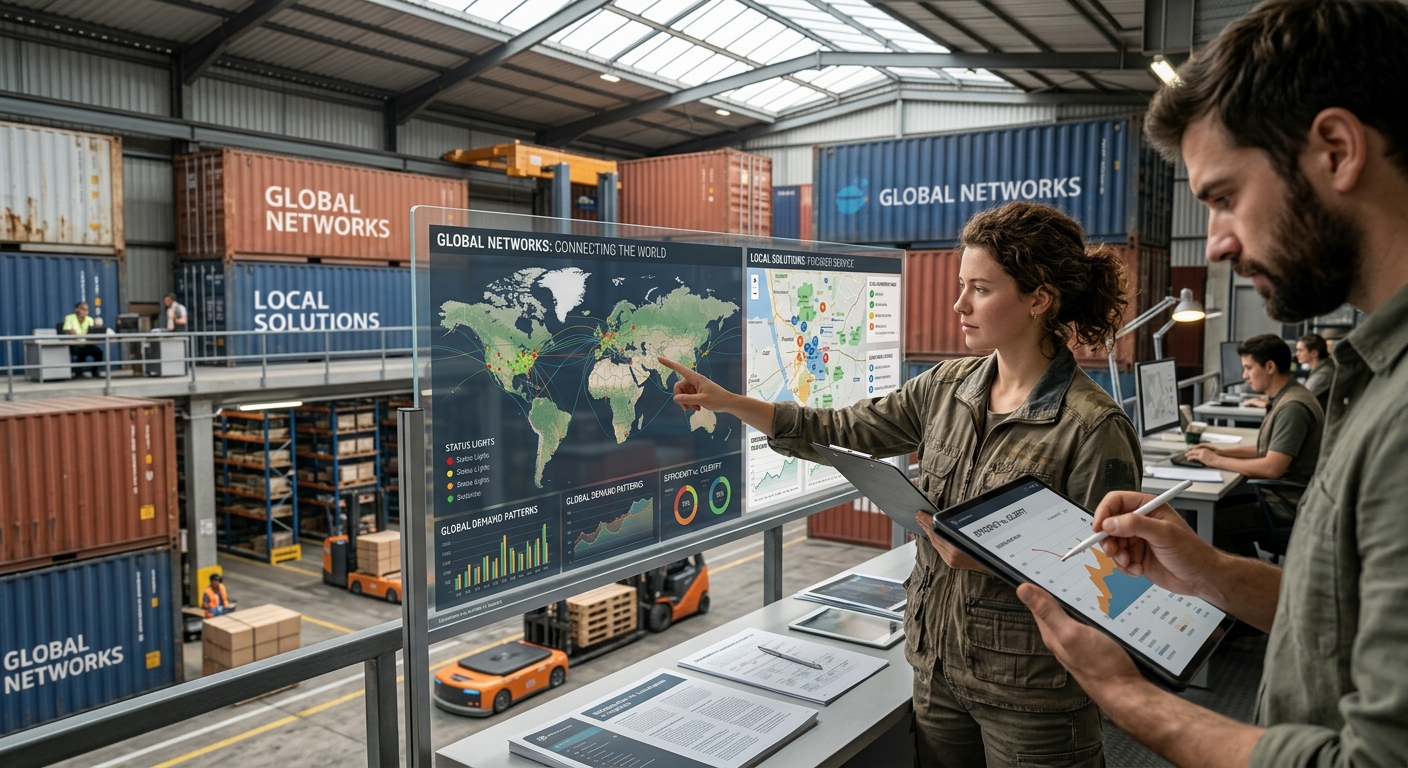
Logistics has always been shaped by geography. Products must cross borders, navigate infrastructure, comply with regulations, and reach customers through physical networks. Yet the strategic question facing many organizations today is no longer simply how to build the largest or cheapest international network. It is a more fundamental question: Should a business prioritize globalization, localization, or a deliberate combination of both? For decades, globalization was the dominant model. Companies sourced materials from distant suppliers, concentrated manufacturing in cost-efficient regions, and established international distribution networks. The logic was compelling: greater scale could reduce unit costs, while global sourcing could provide access to specialized capabilities and competitive labor markets. However, modern supply…

Let's Live Life Better