-
Logistics Platforms: What They Are and What Advantages They Offer
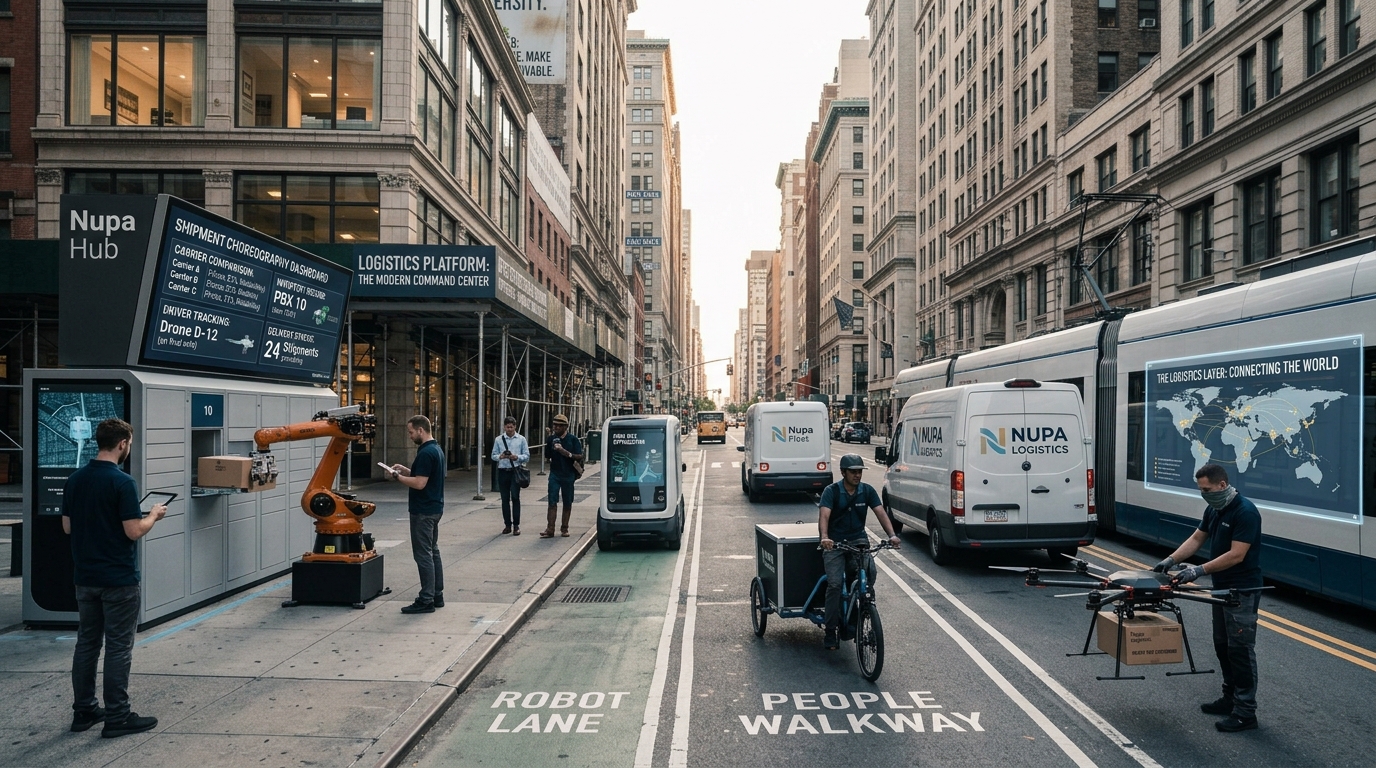
Modern logistics is no longer a matter of moving goods from one location to another. Behind every successful shipment lies a complex choreography of suppliers, warehouses, carriers, drivers, customers, inventory records, delivery schedules, customs requirements, and financial transactions. As supply chains become more geographically dispersed and customer expectations become increasingly exacting, companies need more than spreadsheets and disconnected applications to coordinate this activity. They need systems capable of bringing information together, automating repetitive processes, and providing a coherent view of operations. This is where logistics platforms enter the picture. A logistics platform can serve as a digital command center for transportation and supply-chain activities. Depending on its architecture and scope,…
-
Globalization vs. Localization in Logistics
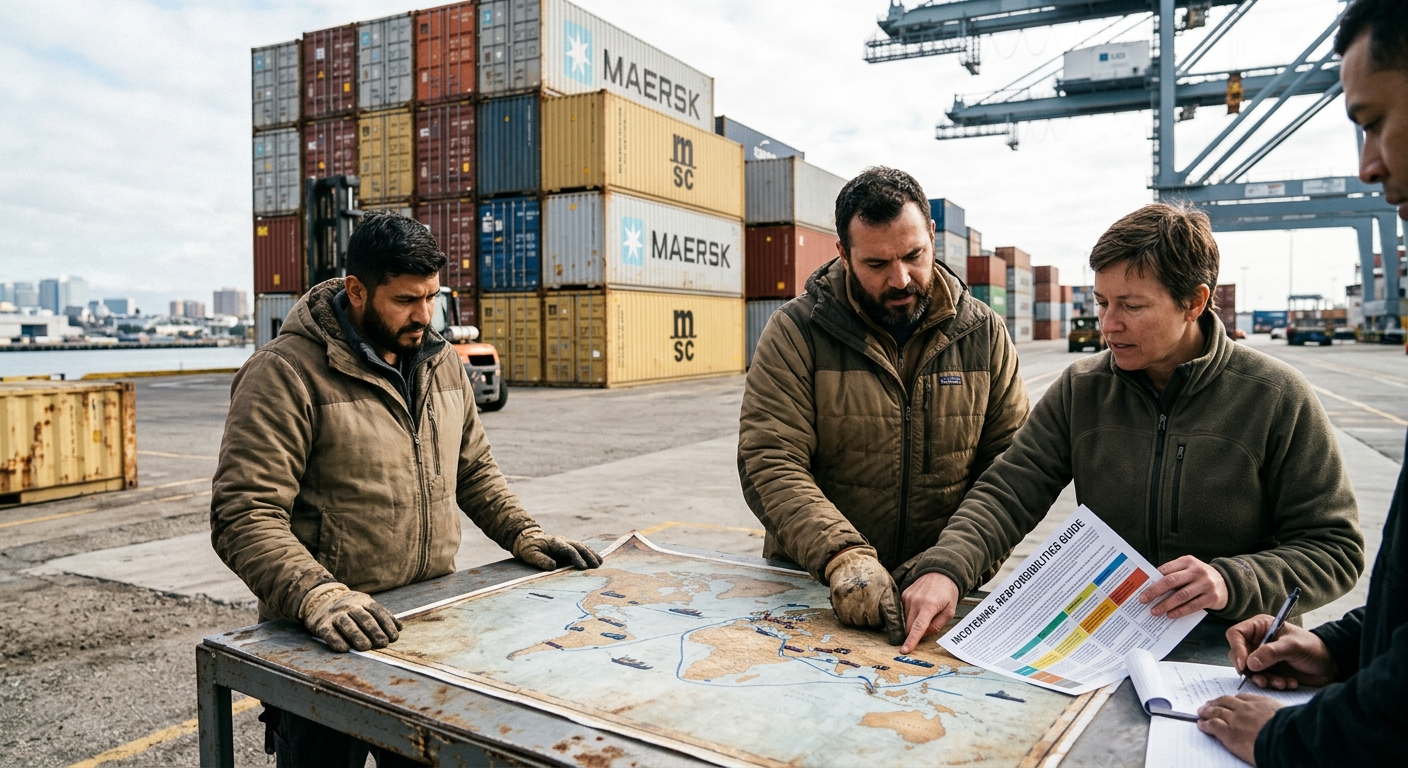
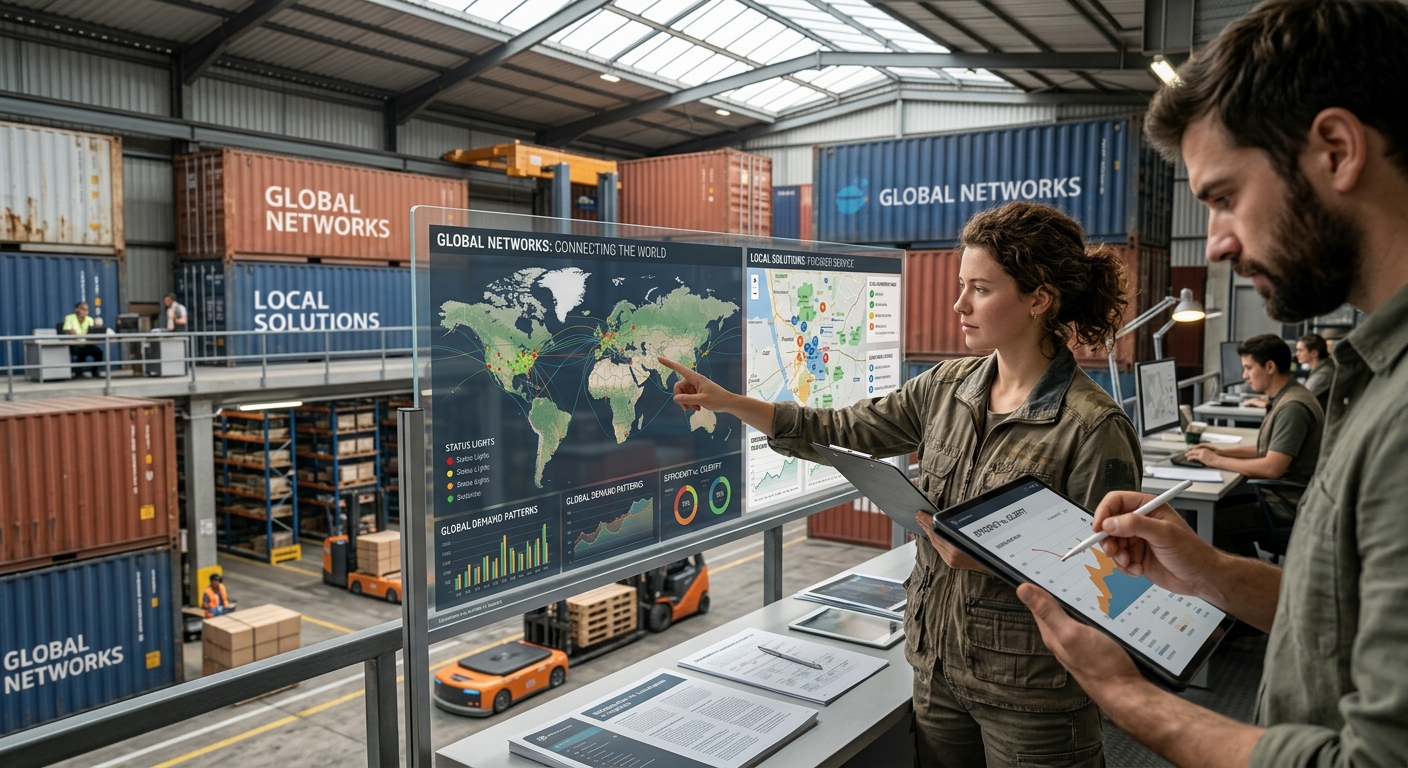
Logistics has always been shaped by geography. Products must cross borders, navigate infrastructure, comply with regulations, and reach customers through physical networks. Yet the strategic question facing many organizations today is no longer simply how to build the largest or cheapest international network. It is a more fundamental question: Should a business prioritize globalization, localization, or a deliberate combination of both? For decades, globalization was the dominant model. Companies sourced materials from distant suppliers, concentrated manufacturing in cost-efficient regions, and established international distribution networks. The logic was compelling: greater scale could reduce unit costs, while global sourcing could provide access to specialized capabilities and competitive labor markets. However, modern supply…

Let's Live Life Better